
Digilock Cue Keypad Locker Locks
Digilock Cue Keypad Locker Locks
 Click to enlarge
Features
Digilock Cue Keypad Locker Locks
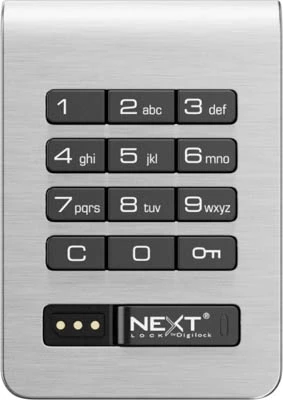
Digilock Cue keypad locks provide keyless electronic access for lockers used in workplaces, schools, universities, gyms, leisure centres and changing facilities. Users operate the lock with a keypad code, removing the need to issue and manage a conventional locker key for routine access.
Cue locks are available with deadbolt and deadlatch mechanisms to support different locker-management requirements. The compact brushed-nickel front unit includes an integrated pull handle, helping create a clean and consistent appearance across a bank of lockers.
Total Locker Service supplies Digilock Cue locks for new locker installations and suitable locker-upgrade projects. Contact the sales team with photographs, door measurements and details of the existing lock where retrofit compatibility needs to be checked.
Key Features
- Electronic keypad operation using a user-selected or assigned code
- Shared-use and assigned-use configurations
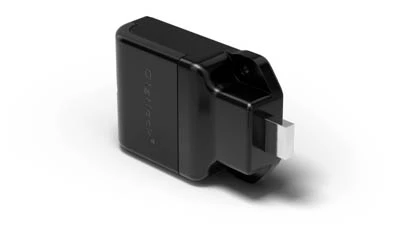
- Motorised deadbolt or deadlatch locking mechanisms
- 12.7 mm locking bolt or latch
- Four AA battery power supply
- Up to 124,500 keypad cycles based on average use
- Brushed-nickel front unit
- Integrated pull handle
- Electronic management-key override
- External power and audit capabilities through compatible management keys
- Wire-free installation with no mains power connection required
Shared-Use and Assigned-Use Locker Modes
The correct operating mode depends on whether lockers are used temporarily by different people or allocated to individual users.
| Operating mode | How it works | Typical application |
|---|---|---|
| Shared use | A user selects an available locker and enters a temporary code. After the locker is opened, it becomes available for another user. | Gyms, leisure centres, visitor lockers and day-use changing rooms |
| Assigned use | A locker is allocated to a particular user who operates it with an assigned code or compatible credential. | Staff lockers, schools, universities and member storage |
Deadbolt and Deadlatch Options
Cue keypad locks are available with two motorised locking mechanisms. The required mechanism should be selected according to the locker door, operating mode and access-management requirements.
| Mechanism | Operation | Supported use |
|---|---|---|
| Deadbolt | A 12.7 mm motorised bolt extends into the locker frame to secure the door. | Shared use or assigned use |
| Deadlatch | A 12.7 mm spring-loaded latch automatically secures the door when it is closed. | Assigned use |
Digilock Cue Keypad Specification
| Brand | Digilock |
|---|---|
| Product range | Cue electronic locker locks |
| Interface | Electronic keypad |
| User-code length | Four to seven digits |
| Power supply | Four AA batteries |
| Estimated battery performance | Up to 124,500 keypad cycles based on average use |
| Front-unit finish | Brushed nickel |
| Handle | Integrated pull handle |
| Locking mechanisms | Motorised deadbolt or motorised deadlatch |
| Bolt or latch size | 12.7 mm |
| Operating modes | Shared use or assigned use, depending on mechanism |
| Management functions | Override, audit and external power through compatible Digilock electronic management keys |
| Installation | Battery-powered, wire-free locker installation |
Electronic Management and Override
Authorised staff can use compatible Digilock management and programming keys to set up locks, override user access and support management inspection. The electronic-key system can also provide temporary external power if the internal batteries no longer have sufficient charge.
Management credentials should be controlled by authorised personnel and stored securely. The required programming and manager-key arrangement should be confirmed when specifying a new lock system.
Where Are Cue Keypad Locks Used?
Digilock Cue keypad locks can support keyless locker access in:
- Workplaces and staff changing rooms
- Schools, colleges and universities
- Gyms and fitness centres
- Leisure centres and sports facilities
- Visitor and day-use locker areas
- Private member and assigned-user locker installations
Choosing the Correct Cue Lock
Choose a deadbolt where the locker must support shared or assigned use. Choose a deadlatch for assigned-use lockers where the door should secure automatically when closed.
Lock compatibility depends on the locker-door material, thickness, preparation, handing and internal fixing space. Check the relevant technical drawing before modifying or ordering locker doors.
Compare other locker locks, browse locker locks by type or view the Digilock Cue RFID lock for an alternative electronic interface.
Supply and After-Sales Support
Total Locker Service can assist with product selection, replacement-lock identification and compatible locker parts. Send the existing lock details, door measurements and clear photographs where help is required with a replacement or retrofit application.
Visit locker parts and service for additional support or review the delivery and returns information before ordering.
Manufacturer information and operating documentation are available from the official Digilock Cue product page .
Specification
Please see our technical documentation for this product below Cue keypad deadbolt specification
Please see our technical documentation for this product below Cue keypad deadlatch specification
Digilock Cue Keypad Lock Specification
Digilock Cue keypad locks provide battery-powered, keyless access for lockers in workplaces, schools, universities, gyms, leisure centres and changing facilities. Users operate the lock with a four-to-seven-digit keypad code, while authorised staff can manage access using compatible Digilock programming and management credentials.
The Cue range is available with a motorised deadbolt or deadlatch. The deadbolt can support shared-use or assigned-use lockers, while the deadlatch is intended for assigned use and secures automatically when the locker door is closed.
Check the locker-door material, thickness, handing, fixing pattern and internal clearance before ordering. For assistance with a replacement or retrofit installation, provide clear photographs and measurements of the existing locker door and lock.
Product Specification
| Manufacturer | Digilock |
|---|---|
| Product range | Cue electronic locker locks |
| Interface | Alphanumeric electronic keypad |
| User-code length | Four to seven digits |
| Operating modes | Shared use or assigned use, depending on the mechanism |
| Locking mechanisms | Motorised deadbolt or motorised deadlatch |
| Bolt or latch size | 12.7 mm |
| Power supply | Four AA batteries |
| Published battery performance | Up to 124,500 keypad cycles based on average use |
| Standard finish | Brushed nickel |
| Handle | Integrated pull handle |
| Installation | Battery-powered, wire-free locker installation |
| Management functions | Override, audit and temporary external power using compatible Digilock electronic management keys |
| Typical applications | Staff lockers, school lockers, university lockers, gym lockers, leisure lockers and changing-room storage |
Shared-Use and Assigned-Use Modes
Select the operating mode according to whether each locker is temporarily used by different people or permanently allocated to a particular user.
| Mode | How it works | Typical locations |
|---|---|---|
| Shared use | A user selects an available locker and enters a temporary four-to-seven-digit code. After the locker is opened and vacated, it becomes available for another user. | Gyms, leisure centres, visitor areas and day-use changing rooms |
| Assigned use | The locker is allocated to a specific user who operates it with an assigned code or compatible credential. | Workplaces, schools, universities and member facilities |
Deadbolt and Deadlatch Comparison
| Mechanism | Operation | Available modes |
|---|---|---|
| Motorised deadbolt | A solid 12.7 mm bolt extends into the locker frame to secure the door. | Shared use or assigned use |
| Motorised deadlatch | A spring-loaded 12.7 mm latch automatically secures the locker when the door is closed. | Assigned use |
Use the deadbolt where shared-use operation is required or where an assigned user will actively relock the locker. Choose the deadlatch for assigned-use lockers that should secure automatically when closed.
Keypad Operation
| Action | Shared use | Assigned use |
|---|---|---|
| User access | User selects a temporary four-to-seven-digit code | User enters their assigned four-to-seven-digit code |
| After opening | The temporary credential is cleared and the locker becomes available for another user | The assigned credential remains registered for the allocated user |
| Incorrect-code protection | The keypad enters a temporary sleep mode after three consecutive incorrect user-code entries | |
| Management access | Compatible management credentials can override user access and support authorised inspection | |
Electronic Key Management
Cue keypad locks must be set up with the appropriate Digilock programming and management credentials before normal use. Compatible electronic keys can provide authorised override access, management inspection, audit functions and temporary external power.
Programming and manager credentials should be controlled by authorised personnel and stored securely. Confirm the number and type of management credentials required when ordering a new bank of locks.
Optional Mobile Access
Some Digilock keypad configurations can be supplied with Digilock Mobile Access capability. A compatible version includes Bluetooth Low Energy functionality and can work with approved mobile credentials through the Digilock Mobile Access app.
Mobile operation is not included with every Cue keypad lock. Confirm that the selected model supports Digilock Mobile Access before ordering where smartphone operation is required.
Installation and Retrofit Guidance
Cue locks are battery powered and do not require mains wiring. However, compatibility depends on the locker-door construction and preparation. Check the technical drawing before drilling or modifying a door.
Before ordering, confirm:
- Locker-door material and thickness
- Door handing and opening direction
- Existing fixing holes and cut-outs
- Clearance behind the locker door
- Required deadbolt or deadlatch mechanism
- Shared-use or assigned-use operation
- Number of programming and management credentials required
Technical Documents and Related Products
Review the relevant technical drawing before ordering or modifying a locker door:
Compare the wider range of locker locks, browse locker locks by type or view the Digilock Cue RFID locker lock for contactless credential access.
Further manufacturer information is available from the official Digilock Cue product page .
Digilock Cue Keypad Lock FAQs
What is a Digilock Cue keypad lock?
A Digilock Cue keypad lock is a battery-powered electronic locker lock operated with a four-to-seven-digit user code. It is available with deadbolt and deadlatch mechanisms for shared-use or assigned-use locker systems.
What is the difference between shared use and assigned use?
Shared use allows a person to select an available locker and create a temporary code. When the locker is opened and vacated, it becomes available for another user. Assigned use allocates the locker to a particular person who operates it with a registered code or compatible credential.
Should I choose a deadbolt or deadlatch?
Choose the deadbolt for shared-use or assigned-use operation. Choose the deadlatch for assigned-use lockers where the door should secure automatically when closed. Review the deadbolt specification and deadlatch specification before ordering.
Which batteries does the Cue keypad lock use?
The Digilock Cue keypad lock uses four AA batteries. Digilock publishes performance of up to 124,500 keypad cycles based on average use. Actual battery life depends on usage, installation conditions and battery quality.
How many digits are used in a Cue keypad code?
Cue keypad users operate the lock with a code containing between four and seven digits. Shared-use users select a temporary code, while assigned-use users operate the locker with their registered code.
What happens if a user forgets their code?
An authorised manager can use a compatible Digilock management credential to override user access and open the locker. Management keys should be kept securely and restricted to authorised staff.
Does the lock need a mains electrical supply?
No. Digilock Cue keypad locks are powered by four AA batteries and do not require mains wiring. Compatible management keys can provide temporary external power where the internal batteries are depleted.
Can a Cue keypad lock be fitted to an existing locker?
A retrofit may be possible, but compatibility depends on the locker door material, thickness, handing, existing preparation and internal clearance. Send photographs and measurements to Total Locker Service before ordering a replacement lock.
Can Cue keypad locks work with a smartphone?
Smartphone access is available only on compatible locks supplied with Digilock Mobile Access functionality. It is not included with every Cue keypad model, so mobile-access compatibility must be confirmed before ordering.
Are programming and manager keys required?
Yes. Cue keypad locks require appropriate programming and management credentials during setup. A suitable manager credential is also required for authorised override and inspection functions.
Where can I compare other locker locks?
Visit the locker locks guide to compare electronic, mechanical, key, combination, coin and contactless locking options. You can also browse locker locks by type.
Does Total Locker Service provide after-sales support?
Yes. Total Locker Service can assist with product selection, replacement-lock identification, compatible parts and after-sales support. Visit locker parts and service or review the delivery and returns information before ordering.
Delivery
Delivery Information
The approximate lead time is 15 Days.
Standard delivery is available to mainland UK addresses, Monday to Friday between 8:00 am and 5:00 pm.
Deliveries are kerbside only. Products may be delivered by a third-party pallet or specialist carrier using a suitable commercial vehicle.
The customer is responsible for providing suitable personnel and equipment to unload the delivery safely.
Please tell us before ordering about restricted access, specific delivery dates or times, FORS requirements or other special delivery arrangements. These may be available at an additional cost.