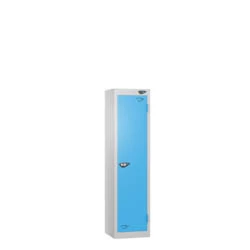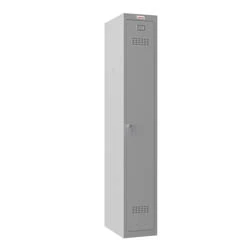

School Lockers for Pupils, Corridors and Classrooms
School Lockers Built for Educational Environments
School lockers provide secure and organised storage for pupils, students and staff across UK primary schools, secondary schools, sixth form colleges and academies. Designed for frequent daily use, lockers for schools help reduce corridor clutter, protect personal belongings and support safer, tidier learning environments.
School lockers are part of our wider commercial lockers range. Use this page for pupil storage, corridor lockers, classroom storage, PE kit storage and school-specific locker planning.
School locker systems are available in different heights, compartment layouts and locking options to suit pupil age groups, corridor spaces, cloakrooms, classrooms, PE changing rooms and sixth form areas.
View all commercial lockers View locker locks Replacement locker keys
Safe and Practical School Locker Specification
School lockers should be specified for daily pupil use, not only for appearance. A practical installation should consider locker stability, door strength, ventilation, cleaning access, supervision and pupil movement during busy periods.
Sloping tops are useful in many schools because they discourage pupils from leaving bags, books, litter or food packaging on top of locker runs. This helps keep corridors, cloakrooms and circulation spaces tidier.
Schools should also consider whether lockers need to be fixed to walls, installed in rows, clearly numbered and fitted with a locking system that staff can manage consistently.

Hygienic Finishes for Shared School Lockers
School lockers are used many times each day by pupils, students and staff. Doors, locks, handles and ventilation points can receive frequent contact in corridors, cloakrooms, classrooms and changing areas.
Anti-bacterial powder-coated finishes may be suitable where hygiene is a priority. Good cleaning access, clear numbering, sensible locker spacing and well-planned installation also support day-to-day school locker management.
Fire Performance for School Lockers
Fire performance may be an important consideration where school lockers are installed in corridors, cloakrooms, circulation areas or shared pupil spaces. The correct specification depends on the building, installation position and the school’s fire strategy.
Where fire performance is required, schools should confirm the relevant specification before ordering. Total Locker Service can help compare suitable locker options for corridor and circulation-area installations.
Quick Answer: What Are School Lockers Used For?
School lockers are secure storage units used by pupils and students to store bags, books, coats, PE kit, lunch boxes, personal belongings and learning equipment during the school day. They are commonly installed in corridors, cloakrooms, classrooms, changing areas, common rooms and sixth form spaces.
The best school locker depends on pupil age, storage need, supervision level, available wall space, corridor width, fire-performance requirements and how the school wants to manage locks and keys.
School Locker Types
Different areas of a school need different locker designs. A primary school cloakroom does not need the same storage as a secondary school corridor, sixth form centre or PE changing room. Choosing by location and use helps avoid wasted space and makes daily locker management easier.
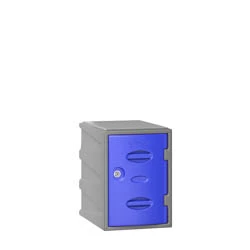
- Primary school lockers provide smaller compartments for younger pupils, coats, book bags and personal items.
- Secondary school lockers offer stronger storage for books, bags, PE kit and daily student belongings.
- Corridor lockers help reduce clutter and keep circulation routes more organised.
- Classroom lockers support storage for learning materials, equipment and pupil belongings close to teaching areas.
- PE kit lockers provide practical storage for sportswear, trainers, bags and changing-room items.
- Sixth form lockers give older students secure storage for folders, laptops, books and personal items.
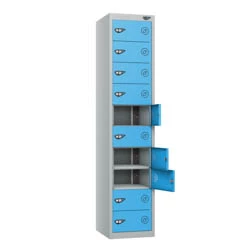
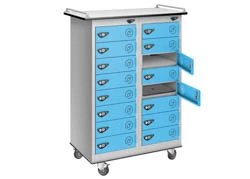
- Charging lockers protect and charge laptops, tablets and other school devices between lessons.
- Staff lockers provide secure storage for teachers, support staff, cleaners, contractors and site teams.
Which School Lockers Are Best?
The best school lockers are durable, easy to manage and matched to the age of the pupils using them. Primary schools often need compact lockers for coats and book bags, while secondary schools and sixth form areas may need larger compartments for books, PE kit, folders and devices.
Corridor lockers should be planned around pupil movement, door clearance, supervision and fire-performance requirements. Classroom lockers should be compact and easy to access. PE kit lockers should offer enough space and ventilation for sportswear and bags.
Planning School Lockers by Location
School locker planning should start with location. A good locker installation supports the way pupils move through the building. It should not block doors, narrow escape routes, create crowding at lesson changeover or make supervision harder.
| School area | Common storage need | Suitable locker option |
|---|---|---|
| Corridors | Bags, books, coats and daily pupil belongings | Multi-door school lockers with suitable fire-performance specification where required |
| Classrooms | Learning materials, book bags and shared equipment | Compact pupil lockers or classroom storage lockers |
| PE changing rooms | PE kit, trainers, bags and personal items | Ventilated lockers, multi-compartment lockers or larger compartment lockers |
| Sixth form areas | Folders, laptops, study materials and personal belongings | Taller lockers, charging lockers or assigned student lockers |
| Staff rooms | Coats, bags, workwear and personal belongings | Staff lockers, garment lockers or workplace-style lockers |
| IT suites and device rooms | Laptops, tablets and rechargeable devices | Charging lockers with secure compartments and managed cable storage |
Choosing School Locker Sizes by Age Group
Locker size should match pupil age, storage need and available space. Younger pupils usually need simple storage for coats and small bags. Older pupils often need more space for folders, books, sports kit and electronic devices.
| User group | Typical storage requirement | Recommended locker style |
|---|---|---|
| Primary pupils | Coats, book bags, lunch boxes and small personal items | Low-height, compact or multi-door pupil lockers |
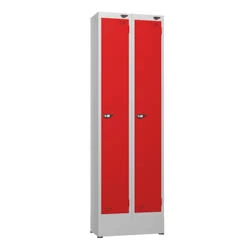
| Secondary pupils | School bags, books, coats, PE kit and personal belongings | Two-door, three-door, four-door or full-height lockers depending on space |
| Sixth form students | Folders, laptops, study materials and larger bags | Taller lockers, larger compartments or charging locker options |
| Teachers and staff | Coats, bags, work items and personal belongings | Staff lockers, garment lockers or full-height lockers |
Corridor Lockers for Schools
Corridor lockers are often used where pupils need access to belongings between lessons. They can help reduce bags on floors, lower trip hazards and keep circulation areas tidier. However, corridor installations need careful planning because pupils may gather around lockers at the same time.
When planning corridor lockers, consider door swing, queuing space, escape routes, supervision, fire performance, cleaning access and whether sloping tops are required. Sloping tops can reduce the chance of pupils leaving books, food packaging or bags on top of locker runs.
Lockers should be positioned so pupils can access them without blocking classroom entrances, stairwells, fire doors or main movement routes.
Classroom and Cloakroom School Lockers
Classroom and cloakroom lockers are useful where storage needs to remain close to teaching spaces. They are often used in primary schools, nurseries, lower school areas and specialist teaching rooms where pupils need simple access to personal items and learning materials.
Compact lockers can help keep classrooms tidy by giving each pupil a defined space. This supports organisation and reduces the amount of loose equipment stored around desks, hooks, shelves and classroom floors.
PE Kit and Changing Room Lockers
PE kit lockers help pupils store sportswear, trainers, towels, bags and personal belongings during lessons and after-school activities. Changing room lockers should be durable, easy to clean and suitable for busy periods when several pupils use the space at the same time.
Ventilation is important where clothing or sports kit may be damp. Larger compartments may also be needed where pupils store coats, sports bags or bulky equipment.
School Locker Locking Options
The best school locker lock depends on pupil age, supervision, key control and how the lockers are allocated. Some schools prefer simple keyed locks. Others prefer hasp locks, combination locks or digital systems to reduce replacement key demand.
- Key locks are suitable for assigned lockers where each pupil is issued a key.
- Hasp locks allow pupils to use a padlock, which can reduce school-managed key administration.
- Combination locks remove physical keys but may need resetting if pupils forget codes.
- Digital locks can support higher-control environments and shared-use locker systems.
- Master key systems help authorised staff manage access when keys are lost or lockers need to be opened.
For lock selection, view our locker locks. If your school already has keyed lockers and needs spare or replacement keys, view our replacement locker keys.
Charging Lockers for School Laptops and Tablets
Charging lockers help schools store and charge laptops, tablets and staff-managed devices securely between lessons. They are useful for IT suites, shared device schemes, sixth form areas, staff rooms and departments that manage multiple devices.
A good charging-locker specification should consider compartment size, cable management, ventilation, supervision, charging capacity and where the unit will be installed.
For more detail, read our charging lockers UK guide.
How to Choose School Lockers
Before ordering school lockers, confirm how many pupils need storage, where the lockers will be installed, what needs to be stored and how the lockers will be managed by staff. A school with corridor lockers for 800 pupils has different requirements from a primary school cloakroom or a sixth form laptop-storage area.
- Confirm the number of users and whether lockers are assigned or shared.
- Choose compartment sizes that match pupil age and storage needs.
- Check available wall space, aisle width and door clearance.
- Decide whether lockers need sloping tops, numbering or master key control.
- Assess whether fire performance is required for the installation area.
- Choose a locking method that staff can manage consistently.
- Plan installation around school terms, access restrictions and delivery routes.
Frequently Asked Questions About School Lockers
Which lockers are best for schools?
The best lockers for schools are durable, easy to manage and matched to pupil age, installation location and storage need. Corridor lockers, classroom lockers, PE kit lockers and sixth form lockers may all need different sizes, lock types and layouts.
Are school lockers suitable for corridors?
Yes, school lockers can be installed in corridors where the layout allows safe pupil movement and suitable access. Corridor installations should consider door swing, fire routes, supervision, sloping tops and fire-performance requirements where applicable.
Do school lockers need to be fire rated?
Fire-rated school lockers may be required where lockers are installed in corridors, circulation areas or other sensitive locations. Requirements depend on the building, the position of the lockers and the school’s fire strategy.
What locking options are suitable for school lockers?
School lockers can be supplied with key locks, hasp locks, combination locks or digital locks. The best choice depends on pupil age, supervision, key control and whether lockers are assigned to individual pupils or shared.
Can schools order replacement locker keys?
Yes. Schools can order replacement locker keys when the key number, lock number or locker system details are available. Master key options may also be suitable for staff-managed school locker systems.
Can school lockers charge laptops and tablets?
Yes. Charging lockers can securely store and charge laptops, tablets and other school devices. They are useful for IT suites, shared device schemes, sixth form areas and staff-managed equipment stores.
How do schools choose the right locker size?
Schools should choose locker size by pupil age, storage need and available space. Primary pupils usually need smaller compartments, while secondary and sixth form students may need larger lockers for books, folders, PE kit and devices.