Locker Access Control Systems UK: Keys, PIN, RFID & Smart Access
April 27, 2026
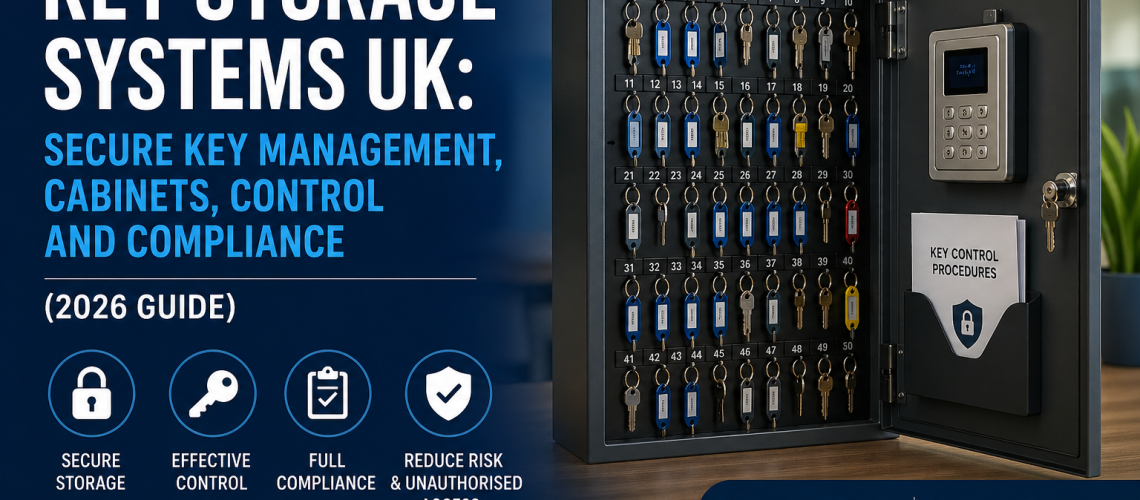
Key storage systems are used to control, protect and track keys in workplaces, facilities and shared environments across the UK. A well-designed system reduces loss, improves accountability and supports day-to-day operations.
This guide explains how key storage systems work, the different types of key cabinets available, how key control systems operate, and what UK businesses need to consider when choosing a secure solution.
Use this page as the central reference for secure key storage systems, with detailed guides on cabinet types, key control methods, compliance and system design.
What Are Key Storage Systems?
Key storage systems are structured methods for storing and managing physical keys. They combine secure storage with controlled access, ensuring keys are available when needed but protected against misuse or loss.
For a product-level breakdown, see our guide to key cabinets explained. If you need to understand logs, registers and audit trails, read our guide to key tracking methods.
In practice, a key storage system includes three elements: the cabinet or storage unit, the locking or access method, and the control process used to manage who can access each key.
Types of Key Cabinets
Key cabinets are the physical core of most systems. The right type depends on how many keys you manage, how often they are accessed and the level of security required.
- Standard key cabinets: wall-mounted units for general workplace use
- High-capacity cabinets: suited to facilities, estates and multi-site operations
- Secure key cabinets: designed with stronger locks and reinforced construction
- Digital key cabinets: controlled using PIN, RFID or networked systems
Placement also affects security. See our guide to where to install key cabinets before choosing the final cabinet location.
For a deeper product-level comparison, see our guide to key cabinet types, sizes and lock options.
Key Control Methods
Storage alone is not enough. Control methods define how keys are issued, returned and tracked.
- Manual control: sign-out logs and controlled access procedures
- Mechanical systems: combination locks or restricted key access
- Digital systems: PIN, RFID or software-controlled access
- Audit systems: tracking who accessed keys and when
Compare approaches in our guide to manual vs digital key management systems.
Where Key Storage Systems Are Used
- Offices and workplaces managing staff and facility access
- Schools controlling classroom and site keys
- Healthcare settings managing restricted access areas
- Facilities management and estates teams handling large key sets
- Industrial and warehouse environments with controlled zones
For sector-specific advice, see our guide to key storage for schools, hospitals and facilities management.
Key Security and Risk Management
Poor key control creates real risk. Lost or misused keys can lead to unauthorised access, theft or operational disruption.
If you are unsure whether a cabinet gives enough protection, compare the options in key cabinet or safe for key storage.
If keys go missing or access becomes uncontrolled, the risk can increase quickly. See what happens if you lose control of keys for the cost, risk and recovery steps.
A structured system reduces these risks by limiting access, improving accountability and ensuring keys are returned after use.
Key Storage Compliance UK
Many UK organisations must demonstrate controlled access to buildings, equipment or restricted areas. This applies in sectors such as healthcare, education and facilities management.
Compliance is not only about storage. It includes access control, record keeping and audit capability.
Read the full guide: key storage compliance UK.
How to Choose the Right Key Storage System
Quick choice: small offices usually need a standard key cabinet and register. Larger teams, facilities departments and high-risk sites may need digital control, stronger cabinets or separate safe storage for critical keys.
- Identify how many keys need to be stored
- Assess how often keys are accessed
- Decide the level of security required
- Consider whether tracking or audit is needed
- Match the system to your environment and risk level
For a step-by-step approach, see how to manage keys in the workplace.
Which Product Type Should You Choose?
| Need | Recommended solution |
|---|---|
| Small number of keys | Standard key cabinet |
| Large key sets | High-capacity key cabinet |
| Controlled access | Digital key cabinet |
| High security | Secure cabinet or safe |
Takeaway: choose the product type by key volume, access frequency and risk level rather than by cabinet size alone.
For everyday workplace key control, start with our key cabinet range and choose capacity based on current keys plus room for growth.
For high-security environments, compare whether you need a cabinet, a safe or both in our guide to key cabinet vs safe for key storage.
Key Storage System Guides
Use these supporting guides to move from the broad system overview into specific decisions about cabinets, tracking, compliance, placement and risk.
- Key Cabinets Explained
- Key Control Systems UK
- Key Tracking Methods
- Key Storage Compliance UK
- Where to Install Key Cabinets
- Best Key Storage for Small Businesses
- Key Storage for Schools, Hospitals and Facilities Management
- Lost Keys: Risk, Cost and Recovery
- Key Cabinet vs Safe for Key Storage
Conclusion: Build a Controlled Key System
Key storage systems are not just about keeping keys in one place. They are about control, accountability and risk reduction. The right system combines secure storage with clear access procedures and practical day-to-day usability.
For most UK organisations, the best results come from matching the cabinet type, control method and usage environment into one structured system.
To move from guidance to product selection, browse our key cabinets for secure storage or visit our replacement locker keys page for key cutting and replacement key support.
Discover more from Blog Total Locker Service
Subscribe to get the latest posts sent to your email.