Blog Total Locker Service

Blog storage solutions

Browsing:

Category: Uncategorized

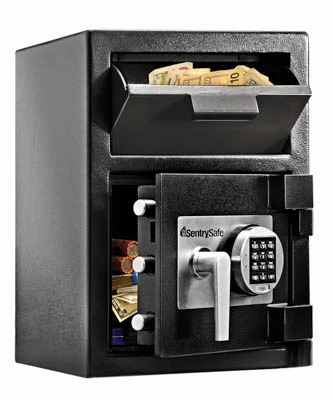
Fire Safe Sizes Explained | What Size Fire Safe Do I Need?

Keyed and digital fire safes offer different access benefits. A keyed fire safe is simple and reliable, while a digital fire safe is usually easier to manage when several authorised people need access. The lock does not create the fire Read more…


Charging Lockers for Schools vs Workplaces: Key Differences

Charging lockers used in a school and workplace environment showing differences in device types and usage

Charging lockers can solve similar problems in schools and workplaces, but the way they are used is often very different. Both settings need secure storage, controlled charging and a practical way to keep devices organised. The difference is in the daily routine, the type of users, the level of supervision and the kinds of devices being stored.


How to Plan Charging Locker Capacity

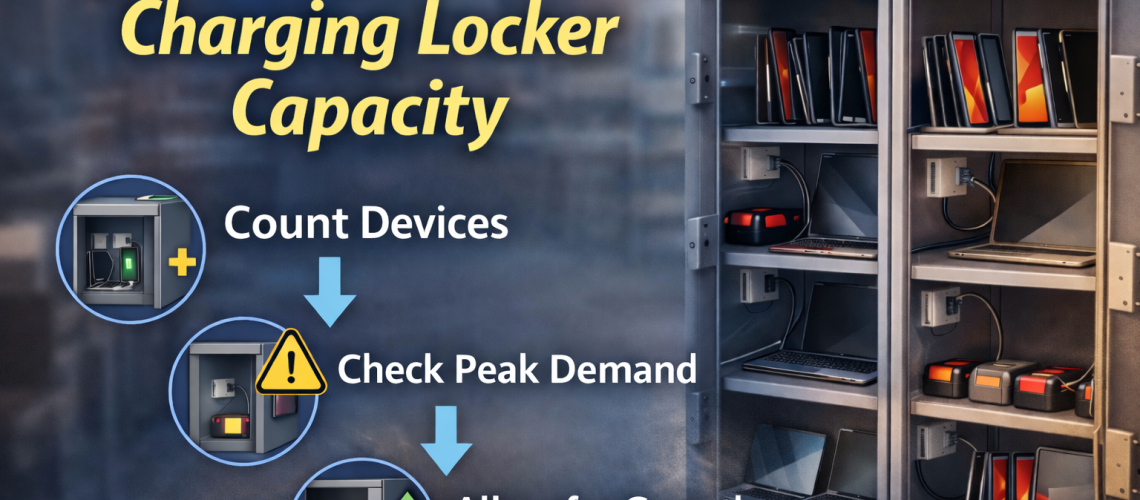
Charging locker with multiple compartments filled with laptops, tablets and devices showing capacity planning in a workplace or school

Planning charging locker capacity is one of the most important parts of choosing the right unit. A locker may look suitable at first glance, but if it cannot cope with the number of devices that need charging each day, it will quickly become frustrating to use. Devices may be left out on desks, users may compete for space and charging routines can become disorganised. On the other hand, a locker with far more capacity than you need may take up too much room and push the budget higher than necessary.


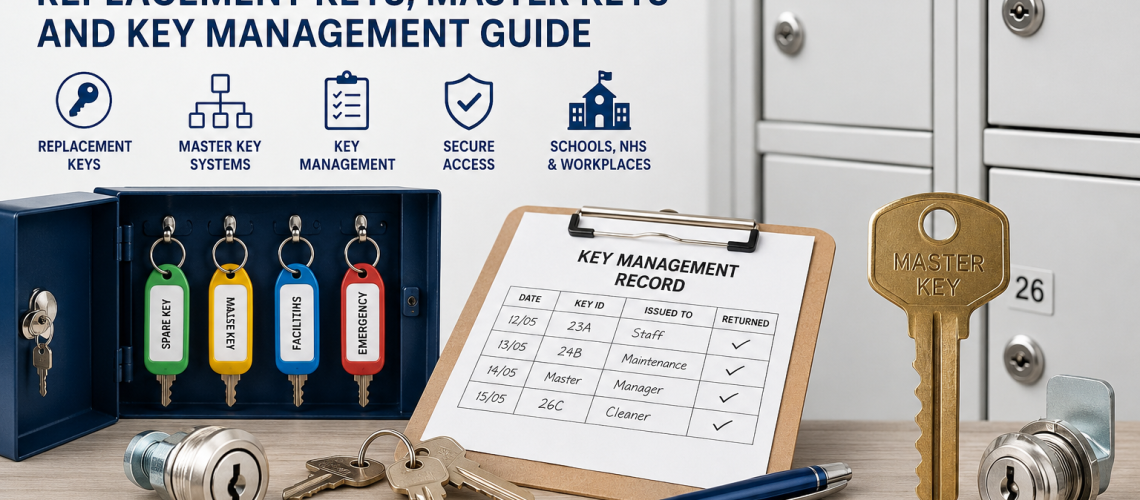
Locker Key Services for Facilities Management Teams

locker key services for facilities management with organised key system

Facilities management teams need locker systems to work reliably. In workplaces, schools, leisure centres, transport sites and industrial settings, lockers are part of the wider day-to-day operation. When keys go missing, codes are unclear or spare stocks run low, the Read more…


Gym Locker Keys and Wrist Strap Systems Explained

gym locker keys with wrist straps for use in changing rooms

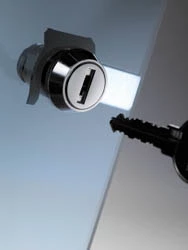
Gym locker keys need to work hard. In leisure centres, health clubs, swimming pools and changing rooms, lockers are used repeatedly throughout the day. Keys may be carried during workouts, taken into wet areas or handled by large numbers of Read more…


Bulk Locker Key Replacement for Schools and Workplaces

bulk locker key replacement sets organised with labelled key codes

Bulk locker key replacement can save time, reduce disruption and improve control across larger sites. In schools, workplaces, colleges, leisure centres and industrial settings, lockers are often used in high numbers. When keys go missing, break, wear out or need Read more…


Lost Locker Key? What to Do Next (UK Guide)

lost locker key situation with replacement locker keys ready for use

Losing a locker key is a common problem in schools, workplaces, gyms and leisure facilities. Even so, it can still cause immediate disruption. Someone may be locked out of personal belongings, staff may lose access to equipment or uniforms, and Read more…


Locker Room Compliance UK: Safety, Access and Layout

Locker room designed for compliance with clear walkways, accessible lockers and safe layout

Locker room compliance in the UK is not about ticking one box or buying one specific product. It is about making sure the space is safe to use, accessible to the people who need it and planned in a way Read more…


Assigned Lockers vs Shared Lockers: Which Is Better for Your Site?

Assigned lockers verses shared lockers

Choosing lockers is not only about size, layout or material. The way lockers are used matters just as much. One of the most important decisions is whether lockers should be assigned to individual users or shared between multiple people on a short-term or flexible basis.


How to Plan Locker Layouts and Numbering Systems for Easier Management

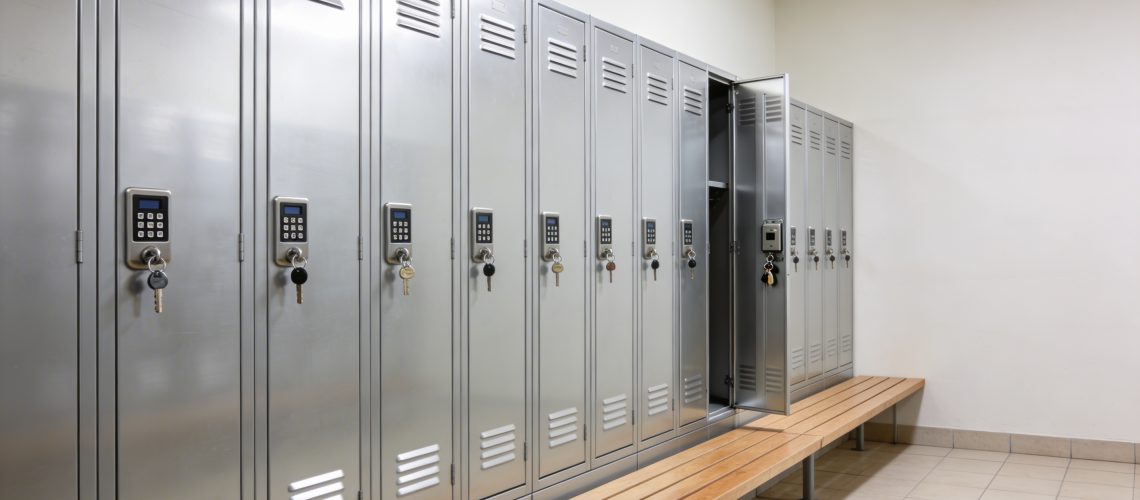
Tidy gym locker room with a bench and modern metal lockers fitted with key and code locks.

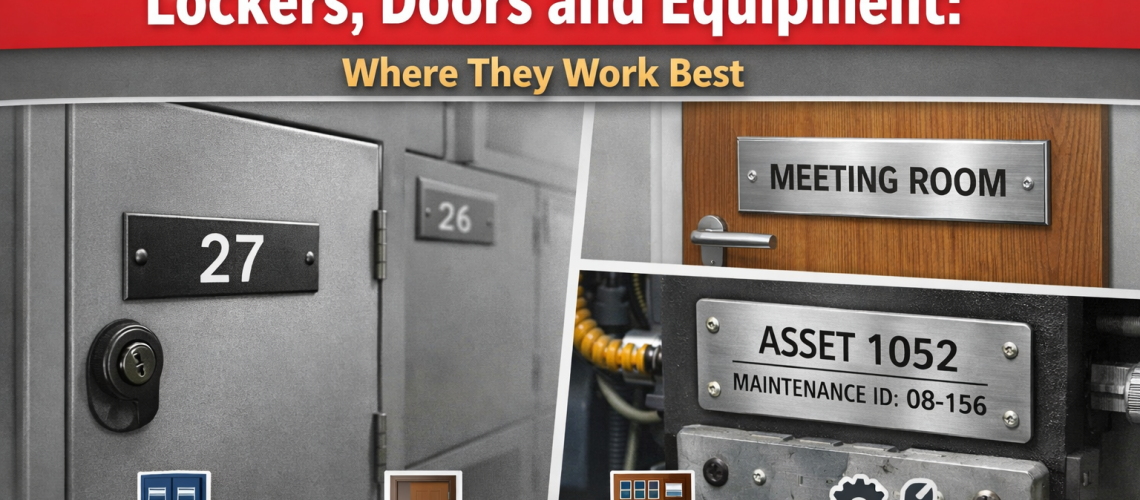
Lockers rarely fail because the doors or locks are inherently bad. More often, the problems start much earlier – at the planning stage. If layouts are awkward, numbering systems are confusing and identification is inconsistent, everyday use becomes harder than it needs to be. Staff spend time explaining where things are, users get frustrated trying to find their locker, and maintenance teams struggle to log and track faults accurately.