Steel vs Laminate vs Plastic Lockers: Which Is Best for Changing Rooms?
April 16, 2026
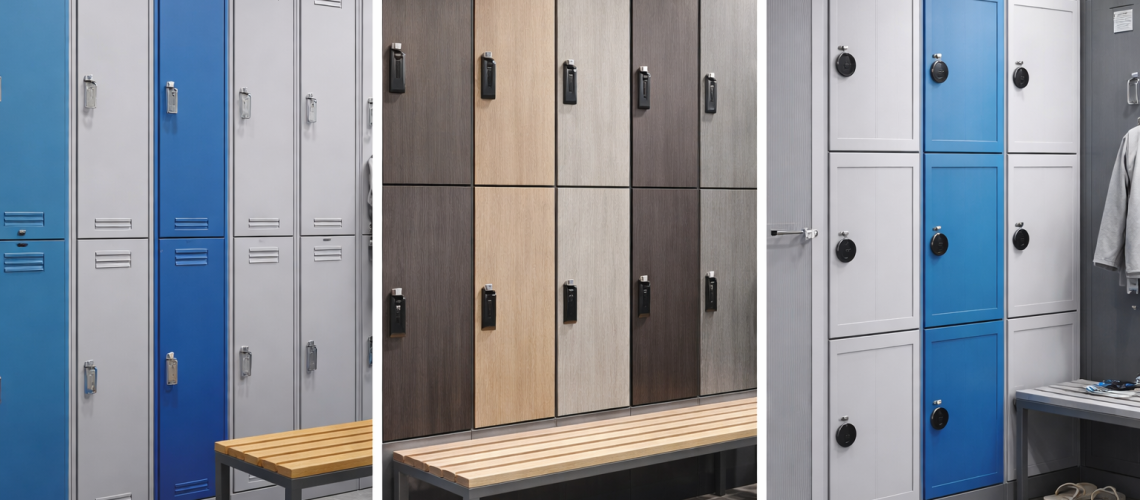
Choosing the right locker material is an important part of changing room planning. Steel, laminate and plastic lockers each offer different strengths depending on the environment, level of use and expectations for durability, hygiene and appearance.
For the wider planning framework, start with our locker room design guide.
If you already know the type of storage you need, view our lockers for workplaces. This guide explains the planning decisions before choosing a locker range.
While all three options provide secure storage, they perform very differently in wet areas, high-traffic spaces and long-term installations. Selecting the wrong material can lead to unnecessary maintenance, reduced lifespan and a poorer user experience.
This guide compares steel, laminate and plastic lockers in practical terms, helping you choose the right option for your specific environment. If you want the wider overview first, see our locker room design guide.
Steel lockers
Steel lockers are one of the most widely used options across schools, workplaces and industrial settings. They offer strong security, good durability and a cost-effective solution for general use.
- strong and secure construction
- good value for large installations
- available in multiple sizes and configurations
- suitable for dry or lightly damp environments
However, in consistently wet environments, steel can be more vulnerable to corrosion over time if not properly specified or maintained.
Laminate lockers
Laminate lockers combine a solid core with a decorative outer surface. They are often chosen where appearance matters alongside durability, such as offices, leisure centres and higher-finish facilities.
- premium appearance with multiple finish options
- resistant to scratches and general wear
- suited to customer-facing environments
- more durable than painted steel in some conditions
Laminate lockers perform well in dry and moderately humid areas, but they are not always the best choice for fully wet environments such as poolside changing rooms.
Plastic lockers
Plastic lockers are designed for environments where moisture, hygiene and corrosion resistance are key concerns. They are commonly used in leisure centres, swimming pools and other wet areas.
Material choice should be considered alongside common locker room design mistakes and locker room design standards UK.
- fully resistant to water and corrosion
- ideal for wet and humid environments
- easy to clean and maintain
- durable in high-use settings
Plastic lockers are often more expensive than steel options, but they can provide a longer lifespan in demanding conditions.
If you are planning layout and room type, read locker room layouts: small, medium and large. You can also browse our lockers or return to the locker room design guide.
Which locker material is best?
The best material depends on how and where the lockers will be used:
- steel: best for general-purpose, dry or workplace environments
- laminate: best for higher-finish or design-focused spaces
- plastic: best for wet areas and heavy moisture exposure
Each option has a role. The key is matching the material to the environment rather than choosing based on cost or appearance alone.
Final thoughts
Material choice has a direct effect on durability, maintenance and long-term value. The best locker is not simply the cheapest or the most attractive. It is the one that suits the conditions the room will face every day.
Explore our locker range, or read our full comparison guide: Steel vs Laminate vs Plastic Lockers: Which Is Best for Changing Rooms?.
For product options, sizes, lock choices and delivery support, browse our school locker range or contact Total Locker Service for advice.
Discover more from Blog Total Locker Service
Subscribe to get the latest posts sent to your email.