Common Locker Room Design Mistakes and How to Avoid Them
April 16, 2026
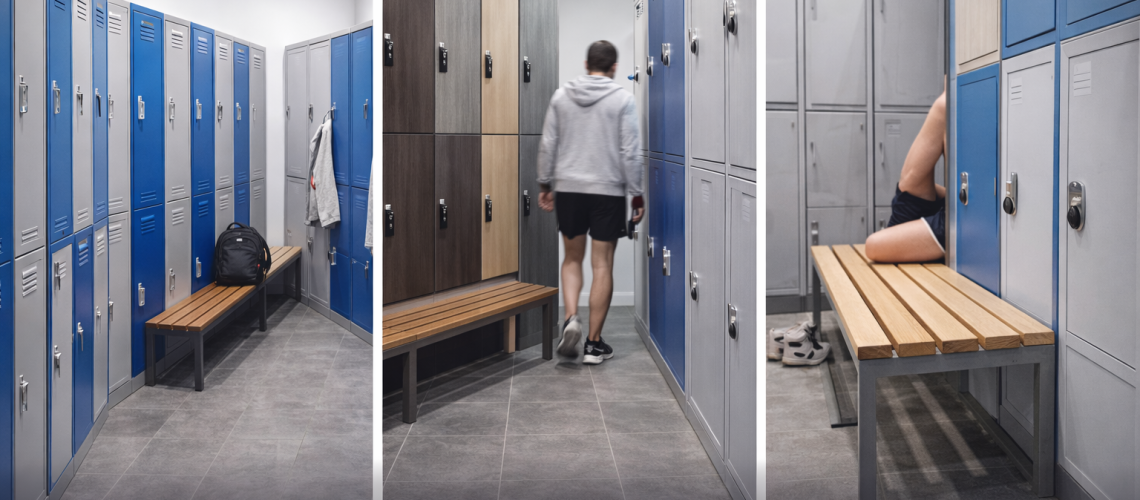
Locker room design affects more than appearance. A well-planned space supports movement, storage, privacy, cleaning and usability. A poorly planned one creates congestion, frustration and maintenance issues almost immediately.
If you want the full planning framework first, read our locker room design guide.
Many problems begin at the planning stage. Aisles are too narrow. Too many lockers are installed. Benches are poorly placed. Ventilation is overlooked. Materials are chosen without considering the environment.
This guide focuses on the most common locker room design mistakes and the practical steps that help avoid them. If you want the wider overview first, see our locker room design guide.
Why locker room design mistakes matter
Locker rooms are working environments. Poor design reduces usability, makes the space harder to maintain and creates avoidable frustration for users and site teams alike.
- congestion at busy times
- reduced user satisfaction
- cleaning difficulties
- faster wear and tear
- inefficient use of space
Mistake 1: Too many lockers
Trying to maximise locker numbers often reduces usability and makes the room feel cramped.
How to avoid it: Plan around practical use, not maximum product count.
Mistake 2: Narrow aisles
Aisles that seem acceptable on paper can become congested once the room is in use.
How to avoid it: Allow enough space for movement, passing and locker access.
Mistake 3: Wrong locker size
Lockers that do not match the user’s storage needs quickly become frustrating and impractical.
How to avoid it: Base locker size on what users actually need to store.
Mistake 4: Ignoring peak usage
Rooms designed around average use often fail at the busiest times.
How to avoid it: Assess how the room performs during peak demand, not quiet periods.
Mistake 5: Poor bench planning
Benches added without enough thought can block movement and reduce access to lockers.
How to avoid it: Make sure seating supports the room rather than obstructing it.
Mistake 6: Poor wet/dry separation
Mixing wet and dry activity too freely can lead to hygiene, maintenance and usability problems.
How to avoid it: Keep wet and dry use organised in a way that reduces conflict between them.
Mistake 7: Wrong locker materials
Choosing materials on price alone can shorten lifespan and increase maintenance demands.
How to avoid it: Match locker materials to the environment and expected use.
Mistake 8: Poor ventilation
Insufficient airflow can contribute to damp conditions, odours and a poorer environment overall.
How to avoid it: Consider airflow and ventilation early in the design stage.
Mistake 9: Difficult cleaning access
Designs that restrict access make cleaning more difficult and reduce hygiene standards over time.
Many avoidable problems start with poor decisions on locker layout planning and locker spacing guidelines.
How to avoid it: Leave enough access around fixtures for practical cleaning.
Mistake 10: Wrong lock type
A lock that does not suit the users or setting can create ongoing usability and management issues.
How to avoid it: Choose a lock system that fits the way the room is actually used.
Mistake 11: Lack of privacy
Poor sightlines or awkward layout decisions can make changing uncomfortable for users.
Material and lock choices also matter, so see steel vs laminate vs plastic lockers and best lock types for changing rooms. You can also browse our lockers or return to the locker room design guide.
How to avoid it: Consider user comfort and privacy as part of the layout.
Mistake 12: Poor layout logic
Layouts that ignore how people move and use the room often create confusion and congestion.
How to avoid it: Make sure the room follows a clear, practical user journey.
Mistake 13: Designing for drawings only
A layout can look effective on paper but still fail in day-to-day use.
How to avoid it: Test ideas against real-life use rather than relying on drawings alone.
Mistake 14: No future flexibility
Rigid layouts make later changes, growth or upgrades much harder.
How to avoid it: Leave enough flexibility for the room to adapt over time.
Mistake 15: Focusing only on price
Low-cost choices can lead to higher long-term costs through wear, maintenance and poor performance.
How to avoid it: Consider long-term value, not just upfront cost.
Final thoughts
Good locker room design avoids predictable mistakes before they become expensive problems. The best rooms work well in daily use, stay easier to manage and remain practical over time.
For the wider planning framework, read our locker room design guide.
Discover more from Blog Total Locker Service
Subscribe to get the latest posts sent to your email.