Locker Room Design Standards UK: Compliance, Safety and Regulations
September 8, 2025
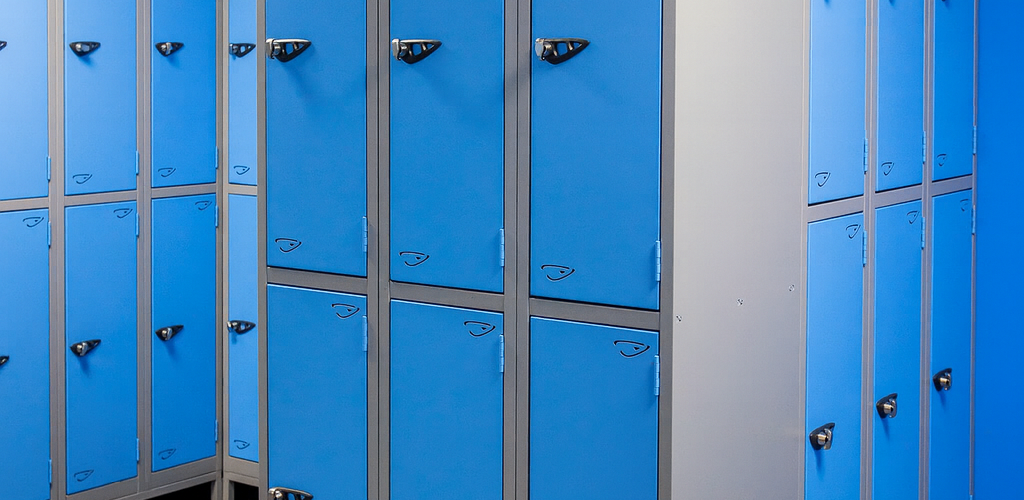
Locker room design in the UK is not only about layout or storage. It must meet clear expectations around safety, hygiene, supervision and suitability for use. These requirements come from a mix of guidance, workplace regulations and sector-specific standards.
For layout, planning and arrangement guidance, start with our locker room design guide.
This guide focuses on compliance, safety and regulatory considerations. It does not cover layout planning, spacing or locker quantities. For that, see our locker room design guide.
What locker room standards cover
UK locker room standards focus on ensuring that changing areas are safe, hygienic and suitable for their intended users. This includes ventilation, cleanliness, supervision, durability of materials and appropriate separation between different types of use.
There is no single regulation that defines all locker room requirements. Instead, compliance is built from a combination of workplace regulations, health and safety guidance and sector-specific recommendations.
Health and Safety Executive (HSE) guidance
The Health and Safety Executive provides guidance on workplace welfare facilities, including changing areas. Where employees are required to change clothing, suitable facilities should be provided that allow safe and hygienic use.
This typically includes:
- clean, well-maintained changing areas
- adequate ventilation and lighting
- facilities that reduce contamination risk where required
- safe access without unnecessary hazards
These requirements are particularly important in industrial, manufacturing and healthcare environments.
Workplace (Health, Safety and Welfare) Regulations
The Workplace (Health, Safety and Welfare) Regulations 1992 set out requirements for welfare facilities in workplaces. Where workers need to change clothing, appropriate changing facilities must be provided.
These facilities should be:
- suitable for the number of users
- clean and hygienic
- appropriately ventilated
- safe to access and use
In some environments, there may also be a requirement to separate work clothing from personal clothing to reduce contamination risks.
Hygiene and cleaning standards
Locker rooms must be easy to clean and maintain. Surfaces should be durable and suitable for regular cleaning, particularly in environments where moisture, dirt or contamination are present.
Good hygiene practice includes:
- regular cleaning schedules
- materials that resist moisture and wear
- designs that reduce dirt traps and hard-to-reach areas
- clear separation between clean and potentially contaminated items where required
Safety considerations
Locker rooms must be safe for everyday use. This includes reducing slip risks, avoiding obstructions and ensuring that fixtures and fittings do not create hazards.
Compliance should be considered alongside common locker room design mistakes and locker materials for changing rooms.
Common safety considerations include:
- non-slip flooring in wet areas
- safe access routes without obstruction
- secure and stable locker installations
- appropriate lighting for visibility
Supervision and visibility
In many settings, especially schools and leisure facilities, supervision is an important part of locker room design. Spaces should allow appropriate oversight without compromising privacy.
If your project includes wet or high-use environments, also review our guide to choosing changing room benches. You can browse our lockers or return to the locker room design guide.
This may include:
- clear sight lines in appropriate areas
- well-lit spaces
- design choices that reduce hidden or isolated zones
Wet and dry area separation
Separating wet and dry areas is a common requirement in locker rooms, particularly in leisure and industrial environments. This helps maintain hygiene, reduce slip risks and protect personal belongings.
Effective separation helps to:
- limit the spread of water and moisture
- reduce slip hazards
- keep clothing and personal items dry
Sector-specific considerations
Different environments may have additional expectations based on how locker rooms are used.
Schools
School changing rooms need to balance supervision, durability and hygiene. Materials must withstand heavy use and cleaning, while layouts should support safe behaviour and staff oversight.
Workplaces
Workplace locker rooms must meet welfare regulations and support staff changing safely and hygienically. In some industries, separation between clean and contaminated clothing is essential.
Gyms and leisure facilities
Leisure environments require strong focus on hygiene, moisture control and slip resistance. Regular cleaning and durable materials are particularly important.
Industrial settings
Industrial locker rooms often need stricter controls around contamination, PPE storage and separation of workwear and personal clothing.
Compliance should guide design decisions
Locker room design should always begin with compliance. Safety, hygiene and regulatory requirements set the baseline for what the space must achieve. Once these are met, layout, storage and equipment choices can be built around them.
For practical guidance on layout, spacing and locker selection, see our locker room design guide. You can also explore our range of lockers for workplace, school and leisure environments.
Discover more from Blog Total Locker Service
Subscribe to get the latest posts sent to your email.