Common Locker Key Problems and How to Fix Them
April 14, 2026
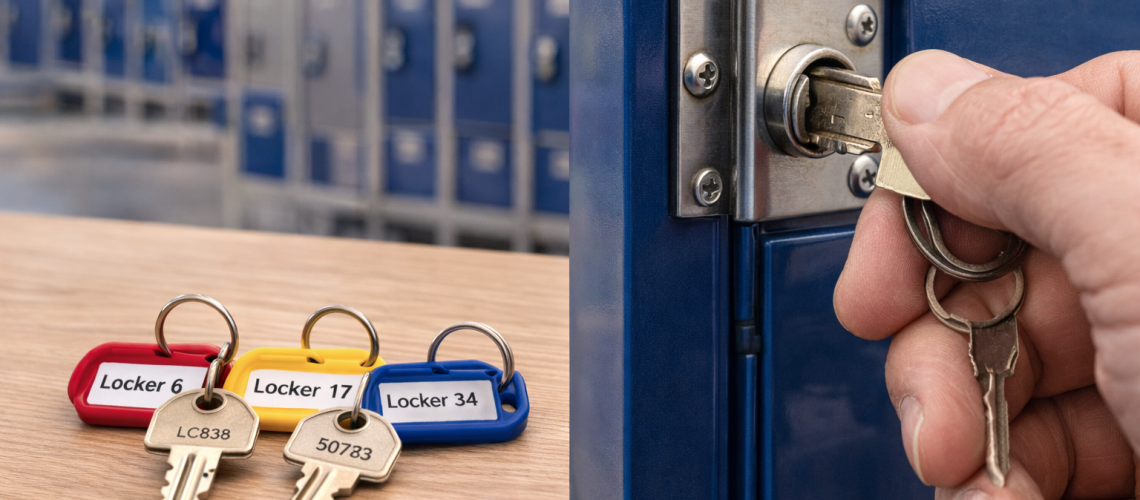
Locker keys are used constantly in schools, workplaces, gyms and industrial environments. Over time, problems are inevitable. Keys wear down, locks become stiff, codes are misread and access becomes unreliable. When these issues are not handled properly, they can lead to delays, frustration and unnecessary replacement costs.
The good news is that most locker key problems are easy to identify and resolve when the right approach is taken. This guide explains the most common issues, what causes them and how to fix them quickly. For the wider overview, see our Locker Keys UK guide.
—
1. Key Will Not Turn in the Lock
A key that will not turn is one of the most common problems. It may feel stiff, jammed or completely unresponsive.
For the wider overview of replacement options and locker key systems, see our Locker Keys UK guide.
Possible causes:
- dirt or debris inside the lock
- a worn or damaged key
- internal lock wear
- incorrect key being used
How to fix it:
- check that the correct key is being used
- inspect the key for visible damage
- clean the lock carefully if debris is suspected
- try a spare key if available
If the problem continues, replacing the key or the lock may be necessary. See our guide on key vs lock replacement for help deciding.
—
2. Key Is Difficult to Insert or Remove
If a key does not slide in smoothly or is difficult to remove, the issue may be related to alignment or wear.
Possible causes:
- bent or worn key
- misaligned lock components
- build-up inside the lock
How to fix it:
- check for visible bends in the key
- avoid forcing the key into the lock
- use a spare key to compare performance
If the issue affects multiple keys, the lock itself may need replacing.
—
3. Key Has Snapped or Broken
Keys can weaken over time, especially in high-use environments. A snapped key can leave part of the blade inside the lock, preventing access completely.
Possible causes:
- metal fatigue from repeated use
- excess force when turning
- poor-quality or worn keys
How to fix it:
- remove the broken section if accessible
- use a spare key if available
- order a replacement using the correct code
If the broken piece cannot be removed easily, replacing the lock may be the quicker solution.
—
4. Wrong Key Ordered or Supplied
Receiving the wrong key is usually the result of an incorrect code or misidentified lock system. This can delay access and create unnecessary frustration.
If code confusion is part of the issue, read locker key numbers explained and how to find your locker key code.
Possible causes:
- incorrect key code recorded
- misreading letters or numbers
- confusion between similar key ranges
How to fix it:
- double-check the original key or lock code
- compare with site records
- confirm the lock manufacturer if possible
Our guide on locker key numbers explained can help reduce this risk.
—
5. Lost Locker Key
Lost keys are one of the most frequent locker issues, especially in shared or high-turnover environments.
For the full response process, see Lost Locker Key? What to Do Next.
How to fix it:
- check for spare keys first
- locate the key code on the lock or in records
- order a replacement key
If the code is unknown or security is a concern, replacing the lock may be necessary. For a full process, see our guide on lost locker keys.
—
6. Key Works Intermittently
A key that works sometimes but not consistently can be difficult to diagnose. It may appear to work one day and fail the next.
Possible causes:
- partial wear on the key
- internal lock wear
- slight misalignment
How to fix it:
- try a spare key to confirm the issue
- replace the key if wear is visible
- replace the lock if the issue persists
—
7. Key Code Cannot Be Found
If the key code cannot be identified, ordering a replacement becomes more difficult. This is often due to missing records or worn markings.
How to fix it:
- check the lock face carefully
- review maintenance or allocation records
- identify the lock type if possible
If the code cannot be recovered, replacing the lock may be the most practical solution. See our guide on finding locker key codes for help.
—
8. Keys Becoming Worn Over Time
Frequent use gradually wears down keys. This can lead to poor performance and increased risk of breakage.
How to fix it:
- replace worn keys before they fail
- keep spare keys available
- consider bulk replacement if multiple keys are affected
For larger sites, our guide on bulk locker key replacement may be useful.
—
How to Prevent Locker Key Problems
Many of these issues can be reduced with simple preventative steps.
- keep accurate records of key codes
- store spare keys securely
- replace worn keys early
- train staff on proper use
- carry out periodic checks
Good management systems reduce both the frequency and impact of key problems.
—
Order Replacement Keys Quickly and Accurately
When a problem cannot be resolved on site, ordering the correct replacement key is usually the fastest solution. Having the correct key code makes the process much easier and reduces the risk of errors.
If a replacement is needed, use our replacement locker key service.
Use our locker key replacement service to order accurate replacements. For the full overview, return to our Locker Keys UK guide.
—
Frequently Asked Questions
Why won’t my locker key turn?
This may be due to dirt, wear or using the wrong key. Check the key and lock before forcing it.
Can a broken locker key be replaced?
Yes, if the key code is known. Otherwise, the lock may need replacing.
If the issue is recurring across several lockers, compare the options in locker key replacement vs lock replacement and bulk locker key replacement.
How do I avoid ordering the wrong key?
Check the key code carefully and confirm the lock type before ordering.
When should I replace the lock instead of the key?
If the lock is damaged, the code is missing or security is a concern, replacing the lock may be the better option.
Discover more from Blog Total Locker Service
Subscribe to get the latest posts sent to your email.