Locker Key Replacement vs Lock Replacement: Which Is Better?
April 14, 2026
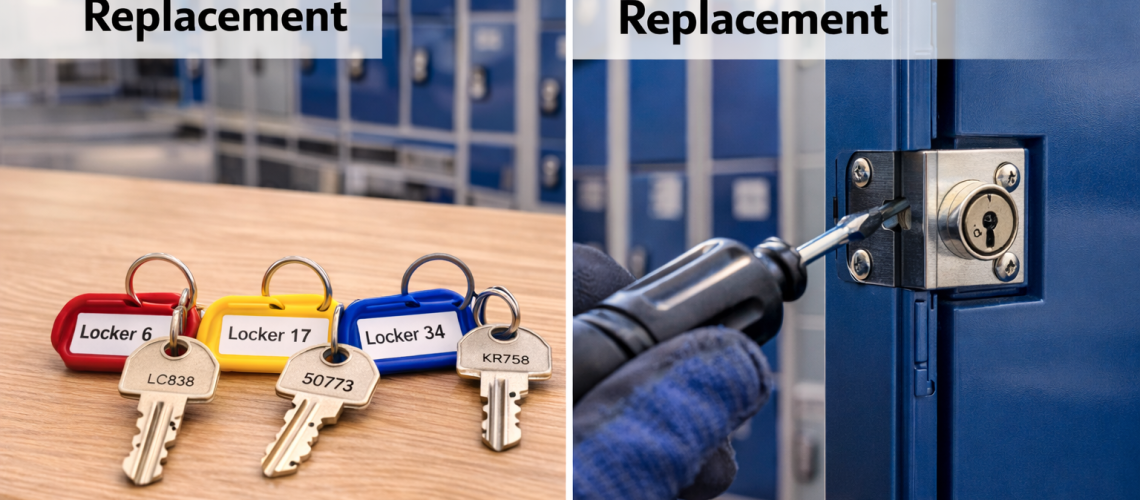
When a locker key is lost, damaged or no longer available, the next decision is not always straightforward. Should you replace the key, or is it better to replace the lock entirely? The answer depends on the condition of the lock, whether the key code is known and how the locker is being used.
In many cases, replacing the key is the simplest and most cost-effective option. In others, a full lock replacement provides better long-term value or improved security. This guide explains how to decide which route is right for your situation. For the wider overview, see our Locker Keys UK guide.
—
Start with the Key: When Replacement Makes Sense
Replacing a locker key is usually the first option to consider. If the lock is working properly and the key code is known, a replacement can often be supplied quickly without removing the lock.
- the key code is available
- the lock is still in good condition
- only one or two keys are missing
- the locker is still assigned to the same user
- security has not been compromised
In these situations, using a cut to code replacement is typically the most efficient approach. A new key can be produced accurately without relying on a worn original. You can order through our locker key replacement service.
—
When Lock Replacement Is the Better Option
There are situations where replacing the lock is the more practical or secure choice. This is often the case when the key code cannot be identified, the lock is damaged or access control needs to be reset.
- the key code is unknown or unreadable
- the lock is worn, stiff or faulty
- the key has been lost and security is a concern
- the locker is being reassigned to a new user
- multiple keys are missing and control has been lost
Replacing the lock gives you a fresh start, with a new key set and a new code. This can be particularly useful in workplaces where staff turnover is high or where access history matters.
—
Cost Comparison: Keys vs Locks
In most cases, replacing a key is less expensive than replacing a lock. It is also quicker and involves less disruption, as the locker does not need to be taken out of use.
Lock replacement, however, may offer better value over time if the existing lock is unreliable or if multiple replacement keys would otherwise be needed. The decision should be based on the condition of the system rather than cost alone.
—
Time and Disruption Considerations
Time is often just as important as cost. A replacement key can usually be ordered quickly and used as soon as it arrives. In contrast, replacing a lock may require access to the locker, removal of the old lock and installation of a new one.
On busy sites, especially in schools and workplaces, minimising disruption is often a priority. That is why key replacement is usually preferred when it is a viable option.
—
Security Considerations
Security plays an important role in the decision. If a key has been lost in a controlled environment and the risk is low, replacing the key may be acceptable. If there is any concern that the key could be used to gain unauthorised access, replacing the lock may be the safer option.
In workplaces where lockers are used for storing personal items, equipment or uniforms, maintaining clear access control is important. A simple key replacement does not change who may have access, whereas a lock replacement resets that control completely.
—
What If the Key Code Is Missing?
If the key code cannot be found, replacing the key becomes more difficult. In some cases, the lock brand can be identified and matched to a key range. In others, replacing the lock is the simpler solution.
If you are trying to locate the code first, our guide on how to find your locker key code may help.
—
Bulk Situations: Keys or Locks?
On larger sites, the decision may involve multiple lockers rather than just one. If many keys are missing but codes are known, a bulk key replacement can restore the system quickly and cost-effectively.
If records are incomplete or locks are in mixed condition, a phased lock replacement programme may be more appropriate. This allows the system to be reset in a controlled way.
For more detail, see our guide on bulk locker key replacement.
—
How Locker Keys and Locks Work Together
Keys and locks should always be considered as part of the same system. A reliable locker setup depends on both working correctly. Replacing one without considering the other can lead to repeated issues.
If you are reviewing your setup, you can compare our locker locks, full locker ranges and supporting locker accessories.
—
A Practical Decision Guide
If you are unsure which option to choose, this simple guide can help:
- Replace the key if the code is known and the lock works well
- Replace the lock if the code is missing or security is a concern
- Replace both if the system is worn or poorly managed overall
This approach helps balance cost, time and security without overcomplicating the decision.
—
Order Replacement Keys or Upgrade Your Locks
If you know the key code and need a fast solution, you can order through our locker key replacement page. If a lock replacement is the better option, explore our range of locker locks for compatible solutions.
For the full overview of locker systems, return to our Locker Keys UK guide.
—
Frequently Asked Questions
Is it cheaper to replace a locker key or a lock?
Replacing a key is usually cheaper, but replacing the lock may offer better long-term value if the lock is worn or security is a concern.
Can I replace a locker key without changing the lock?
Yes, if the key code is known and the lock is in good condition.
When should I replace the lock instead?
When the code is missing, the lock is damaged or security needs to be reset.
What is the quickest way to restore access?
If the code is known, ordering a replacement key is usually the fastest solution.
Discover more from Blog Total Locker Service
Subscribe to get the latest posts sent to your email.