How to Manage Locker Keys in the Workplace
April 14, 2026
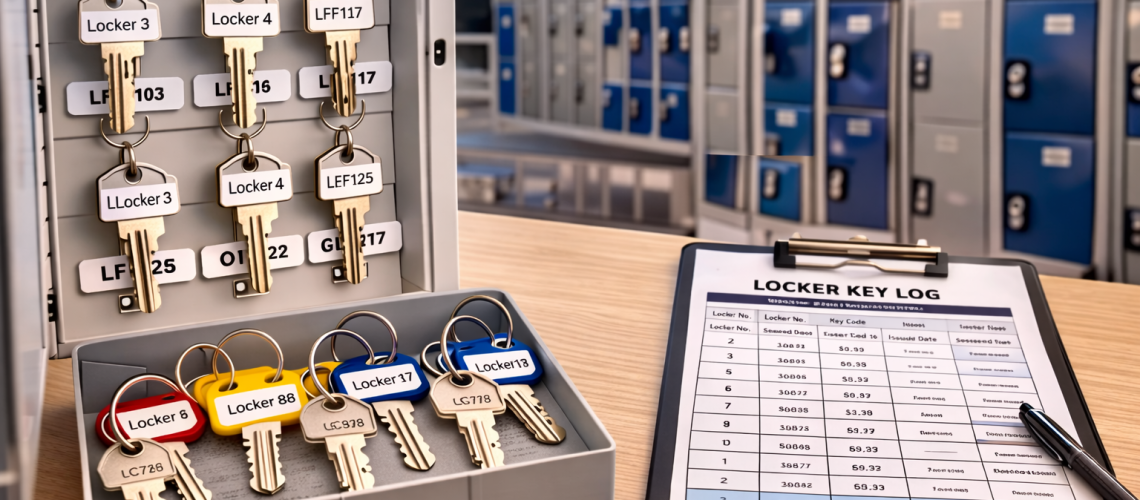
Managing locker keys in the workplace is about more than keeping track of a few spares. In offices, warehouses, factories and staff changing areas, locker systems support daily routines. When keys are lost, duplicated incorrectly or poorly tracked, disruption follows. Access is delayed, security is reduced and time is lost resolving avoidable issues.
A structured locker key management system helps prevent these problems. It keeps access clear, supports staff accountability and makes replacement straightforward when issues arise. This guide explains how to manage locker keys effectively in workplace environments. For a broader overview, see our Locker Keys UK guide.
For the wider overview of replacement, codes and ordering, start with our Locker Keys UK guide.
Need Spare Locker Keys for a Workplace?
If you manage workplace lockers and have the key code, lock code, locker key number or manufacturer details,
use our spare locker keys for workplaces
service to order replacement and spare keys online.
Why Locker Key Management Matters
Locker keys may seem simple, but they sit at the centre of access control for staff storage. Poor management can lead to repeated lost key requests, confusion over locker allocation and unnecessary lock changes. Over time, this creates avoidable cost and inefficiency.
If missing keys are becoming frequent, read Lost Locker Key? What to Do Next.
A simple locker key register helps facilities teams order the correct replacement key without removing the lock. Record the locker number, key code, lock manufacturer and quantity required. When a replacement is needed, use our replacement locker keys cut to code page to order by code or key number.
- reduces lost key incidents
- improves staff access to lockers
- supports workplace security
- minimises disruption for facilities teams
- helps maintain a consistent storage system
When locker keys are managed properly, day-to-day operations run more smoothly.
—
Start with a Clear Locker Key System
The foundation of good key management is a clear, consistent system. Each locker should be linked to a specific key, and that relationship should be recorded and easy to understand.
- assign each locker a clear number
- match each key to the correct locker
- use consistent numbering across all lockers
- avoid duplicate or unclear labelling
Where possible, the locker number and key identification should align to reduce confusion. For a deeper look at how key identification works, see our guide on locker key numbers explained.
—
Keep Accurate Records of Key Codes
One of the most effective ways to improve locker key management is to record key codes. This allows replacement keys to be ordered quickly without needing to remove locks or guess key types.
- record key codes when lockers are installed
- link each code to a locker number
- store records in a secure but accessible format
- update records when locks or keys change
If you need help identifying codes, our guide on how to find your locker key code explains the process step by step.
—
Store Spare Keys Securely
Spare keys are essential, but they need to be controlled. Poorly stored spare keys can create security risks or lead to further loss.
- use a dedicated key cabinet or secure storage area
- label spare keys clearly
- limit access to authorised staff only
- keep a record of issued and returned keys
A well-organised spare key system reduces downtime when a key is lost and avoids confusion over which key belongs to which locker.
—
Use a Simple Key Issue and Return Process
In many workplaces, locker keys are issued to staff members. A clear issue and return process helps track responsibility and reduces loss.
- record who each key is issued to
- log issue and return dates
- confirm returns when staff leave or change roles
- review outstanding keys regularly
This does not need to be complex. Even a simple log can make a significant difference.
—
Plan for Lost or Missing Keys
Even with good systems in place, keys will occasionally be lost. The key is to have a clear response process so that the issue can be resolved quickly.
- check whether a spare key is available
- confirm the locker number and key code
- order a replacement key where possible
- replace the lock if the code cannot be identified
If you are dealing with this situation now, our guide on lost locker keys explains what to do next.
If you still need help identifying the correct details, see how to find your locker key code and locker key numbers explained.
—
Use Cut to Code Replacement for Accuracy
When a key needs replacing, using a cut to code service is often the most accurate option. This method produces a new key based on the original code rather than copying a worn key.
Where a replacement is needed, use our locker key replacement service.
This approach helps ensure consistency across the locker system and reduces the risk of incorrect replacements. For more detail, see our guide on cut to code locker keys.
—
Carry Out Regular Key Audits
Periodic checks help keep the system under control. A simple audit can highlight missing keys, damaged items or gaps in records before they become larger issues.
- check that all keys are accounted for
- confirm that records match actual lockers
- identify worn or damaged keys
- review spare key stock levels
Regular audits also make it easier to plan bulk replacement if needed.
—
When to Consider Bulk Key Replacement
If multiple keys are missing or records are incomplete, a bulk replacement may be the most efficient solution. This allows the system to be reset and brought back under control.
For guidance, see our blog on bulk locker key replacement.
—
Keep Locker Keys Aligned with the Wider System
Locker keys should always be considered alongside the lockers and locks themselves. A well-designed system is easier to manage and less prone to issues.
If you are reviewing your setup, you can explore our locker ranges, available locker locks and useful locker accessories.
—
Order Replacement Locker Keys Quickly
When a replacement is needed, having the correct code and records makes the process much faster. Keys can be cut accurately and supplied without unnecessary delays.
Use our locker key replacement service to order the correct key for your system. For the full overview, return to our Locker Keys UK guide.
—
Frequently Asked Questions About Locker Key Management
What is the best way to track locker keys?
Use a simple record system that links locker numbers, key codes and assigned users. Keep it updated regularly.
How many spare keys should a workplace keep?
This depends on the size of the site, but having at least one spare per locker is a common approach.
What should happen when a staff member leaves?
The locker key should be returned and checked against records. If it is missing, a replacement or lock change may be required.
If repeated incidents are building up across a site, a structured bulk locker key replacement programme may be the better option.
Is it better to replace keys or locks?
If the code is known and the lock is in good condition, replacing the key is usually the simplest option. If not, replacing the lock may be necessary.
For the full guide to locker key types, codes, manufacturers and ordering routes, read our Locker Keys UK guide.
Discover more from Blog Total Locker Service
Subscribe to get the latest posts sent to your email.