Wet Area Lockers UK: Best Lockers for Gyms, Pools and Changing Rooms
April 22, 2026
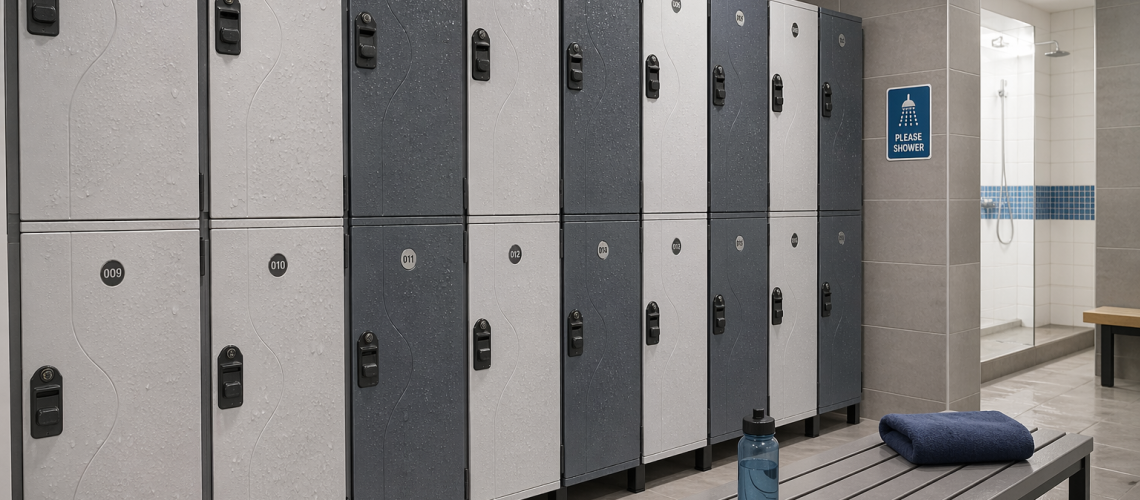
Wet area lockers are designed for environments where moisture, humidity and frequent cleaning make standard locker choices less suitable. They are commonly used in gyms, pools, spas, leisure centres and changing rooms where lockers need to stay practical, secure and durable in damp conditions.
Choosing the right wet area lockers is not just about finding something that looks suitable in a changing room. Material choice, lock type, ventilation, cleaning needs and day-to-day user turnover all affect whether the system will work well over time. A locker that performs well in a dry staff room may be the wrong choice in a humid leisure setting.
This guide explains what wet area lockers are, where they are used, which materials are most suitable, what lock options to consider and how to choose the right layout for a UK environment.
What are wet area lockers?
Wet area lockers are lockers designed for damp, humid or splash-prone environments. They are typically used in places where users are changing, showering or moving between wet and dry zones. In these conditions, the locker material and finish need to cope with moisture more effectively than a standard locker used in a dry indoor setting.
They are often chosen for poolside changing rooms, gym locker rooms, spa facilities, leisure centres, sports clubs and other areas where regular exposure to moisture is expected. In some environments, wet area lockers may also need to cope with more frequent cleaning, heavier user turnover and higher demands on hygiene.
Where are wet area lockers used?
Wet area lockers are most often used in leisure and changing environments, but the exact application can vary.
Gyms and fitness centres
Gym changing rooms often need lockers that can cope with damp clothing, regular cleaning and high daily turnover. In these spaces, practical durability matters just as much as appearance.
Swimming pools and leisure centres
Pool environments can be especially demanding because lockers may be exposed to both humidity and splashing. Materials that resist corrosion and remain easy to clean are often preferred.
Spas and wellness facilities
Spas and wellness settings may place more emphasis on finish and presentation, but the lockers still need to perform reliably in a damp environment. That usually means balancing appearance with moisture resistance.
Sports clubs and changing rooms
Sports changing rooms often need simple, robust lockers that can handle regular use, wet kit and straightforward maintenance. Depending on the site, user turnover may be daily, session-based or event-based.
Why standard lockers are not always suitable in wet areas
A standard locker designed for a dry office or school environment may not perform well in a damp changing room. Moisture can affect finishes, fittings and long-term durability. In higher-humidity areas, the wrong material can lead to more maintenance, a shorter service life and a less reliable locker system overall.
That does not mean every wet area needs the same locker material. It does mean the environment should shape the decision from the start. Poolside humidity, regular cleaning and wet clothing all place different demands on the locker than a dry corridor or staff room would.
Best materials for wet area lockers
Material choice is one of the most important decisions when specifying wet area lockers. The right option depends on the level of moisture, cleaning regime, appearance requirements and budget.
Plastic lockers
Plastic lockers are often one of the strongest choices for wet area environments. They are commonly selected for pools, damp changing rooms and other settings where moisture resistance is a priority. In many cases, they provide a reliable balance of durability, practical cleaning and suitability for humid conditions.
Laminate lockers
Laminate lockers may be considered in some changing and leisure environments where appearance is important, especially in more premium facilities. Their suitability depends on the exact construction and site conditions, so they are usually chosen more carefully in wet settings than in dry interior spaces.
Metal lockers in wet areas
Metal lockers can still be used in some leisure environments, but they are usually more appropriate where the space is only lightly damp rather than regularly wet or highly humid. The exact finish, coating and exposure level matter. In more demanding wet areas, other materials are often the safer long-term choice.
What lock options work best for wet area lockers?
Lock choice in wet areas is about more than security. It also affects user convenience, turnover, maintenance and how the facility manages access day to day.
Coin-return and coin-retain locks
These are common in leisure and pool environments where lockers are used temporarily. They work well in settings where users take a locker for the duration of a visit and then release it afterwards.
Mechanical combination locks
Mechanical combination locks can be useful where key management would be inconvenient and where facilities want a shared-use system without the complexity of digital access.
Padlock hasps
Hasp locking allows users to bring their own padlock. This can reduce administration, but it can also create inconsistency if the site does not control what type of padlock is used.
Digital locks
Digital locking may suit higher-specification environments where user convenience, management control or audit visibility are more important. The value of that approach depends on budget, user type and how the site is operated.
The best lock choice usually depends on whether the lockers are assigned or shared-use, how long users keep the locker and how simple the facility wants administration to be.
Assigned vs shared-use wet area lockers
Many wet area lockers are used on a shared basis. This is common in gyms, pools and leisure centres where users only need storage for the duration of a visit. In those settings, lock choice and turnover matter more than permanent locker assignment.
Some sites, however, may need assigned lockers. Staff changing areas, private clubs and some sports facilities may prefer users to keep the same locker over time. In that case, the locker system may need a different lock choice and a different approach to management.
How to choose the right wet area lockers
A practical way to choose wet area lockers is to work through the decision in the following order:
- Environment: gym, pool, spa, sports changing room or mixed leisure facility
- Moisture level: lightly damp, humid, splash-prone or regularly wet
- User pattern: assigned or shared-use
- Material: plastic, laminate or another suitable construction
- Lock type: coin, combination, padlock or digital access
- Layout: capacity, aisle space, benches and traffic flow
- Maintenance: cleaning, replacement parts and day-to-day management
This approach helps keep the decision grounded in real use rather than appearance alone. It also reduces the risk of choosing lockers that look suitable at first but create maintenance or usability problems later.
Wet area locker sizes and layout planning
Size and layout still matter in wet environments. A locker that is too small may frustrate users, while a locker that is too large can reduce overall capacity. In changing rooms, layout also affects movement, privacy, cleaning and how the space feels during peak periods.
When planning wet area locker layouts, consider aisle widths, door opening space, changing bench positions, user flow and how wet and dry zones interact. A good layout makes the locker system easier to use and easier to manage.
For broader planning guidance, see our Locker Layout Planning Guide UK.
Common mistakes when choosing wet area lockers
- Choosing a locker material that is better suited to dry environments
- Selecting lock types without considering user turnover
- Focusing on appearance before checking suitability for moisture and cleaning
- Underestimating the effect of humidity and daily cleaning on long-term performance
- Planning capacity without thinking about layout, benches and movement space
Most of these problems start when the environment is treated as a secondary detail rather than the main factor shaping the locker choice.
Frequently asked questions about wet area lockers
What are wet area lockers made from?
Wet area lockers are often made from materials chosen for better moisture resistance and easier cleaning in damp environments. Plastic lockers are commonly considered for pools and heavily damp areas, while other constructions may suit lighter-duty changing environments depending on the specification.
Are metal lockers suitable for wet areas?
Some metal lockers may be suitable in lightly damp environments, but more demanding wet areas often need materials that cope better with regular humidity and moisture exposure. The exact suitability depends on the construction, finish and location.
What locks are best for wet area lockers?
The best lock depends on whether the lockers are assigned or shared-use. Coin locks, combination locks, padlock hasps and some digital systems can all work well depending on the environment and how the facility is managed.
Are wet area lockers good for gyms?
Yes. Wet area lockers are often a strong choice for gyms and fitness facilities where damp clothing, regular cleaning and shared use place more demands on the locker system than a dry office or school environment would.
Need help choosing wet area lockers?
The best wet area locker system depends on environment, moisture level, lock type, layout and how the lockers will be used over time. Better results usually come from choosing lockers around actual site conditions rather than relying on a standard specification.
You can browse our locker range or contact us for advice on wet area lockers, changing room lockers and leisure storage systems.
Discover more from Blog Total Locker Service
Subscribe to get the latest posts sent to your email.