April 13, 2026
Locker Room Sizes and Space Planning Explained: Designing Efficient Changing Areas
Blog storage solutions
April 13, 2026
Locker Room Sizes and Space Planning Explained: Designing Efficient Changing Areas
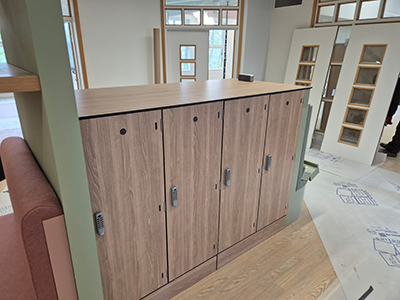
Choosing the right number of lockers is one of the most important decisions in locker room design. Too few lockers create frustration, congestion and poor organisation. Too many can waste space and reduce the effectiveness of the layout.
Locker room design affects how a space functions, how easy it is to use and how well it performs over time. Whether you are planning a workplace changing area, school facility, gym or industrial staff room, layout decisions around lockers, benches and movement space all play a key role.
April 11, 2026
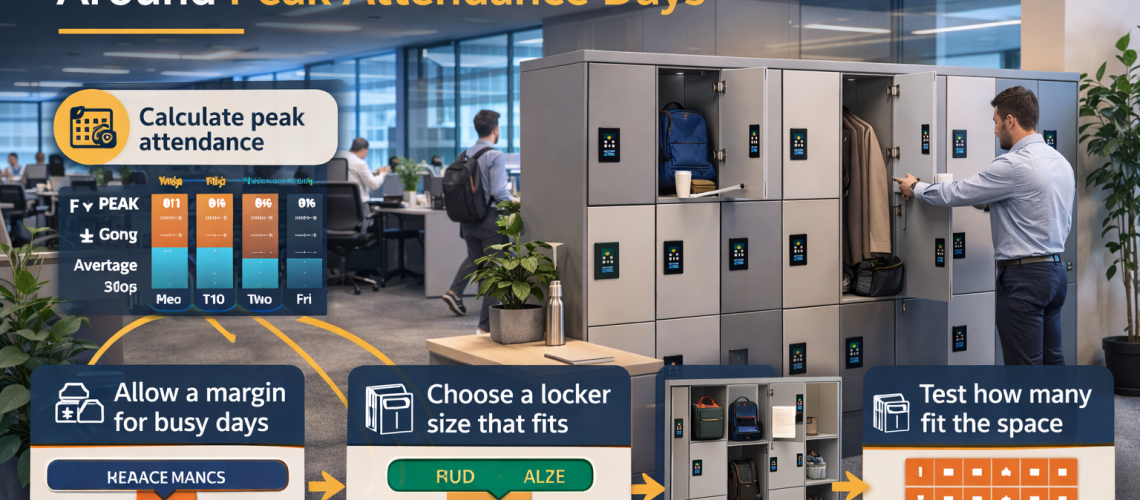
Locker size is one of the most important decisions in any storage project. The right locker needs to hold the items users actually bring, fit the available space and support the way the area works each day. That is why size and configuration should be planned carefully from the start.
Locker installations are not just about storage. In many environments, they also need to meet safety, hygiene and operational standards. Compliance matters because lockers often sit within regulated spaces such as schools, workplaces, healthcare environments and leisure facilities.
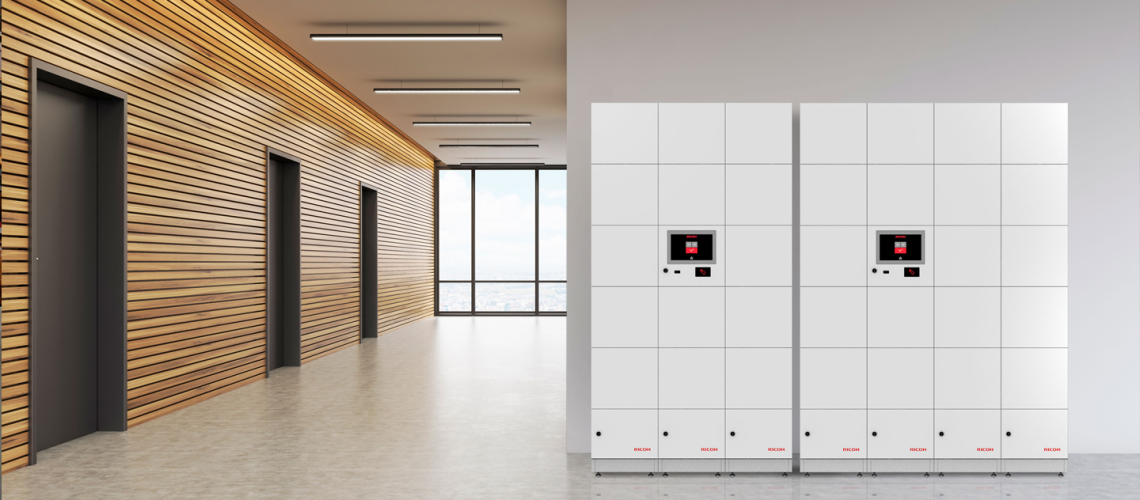
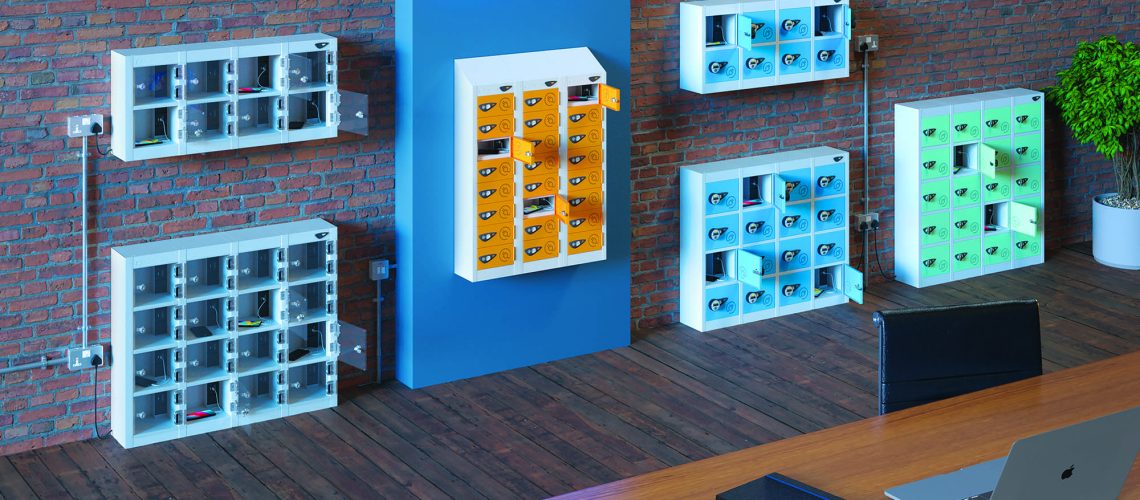
Locker systems are evolving. In many workplaces, schools and public environments, storage is no longer just about keeping belongings safe. Users now expect lockers to support devices, provide charging access and offer a more flexible, technology-led experience. That is where charging and smart lockers come in.
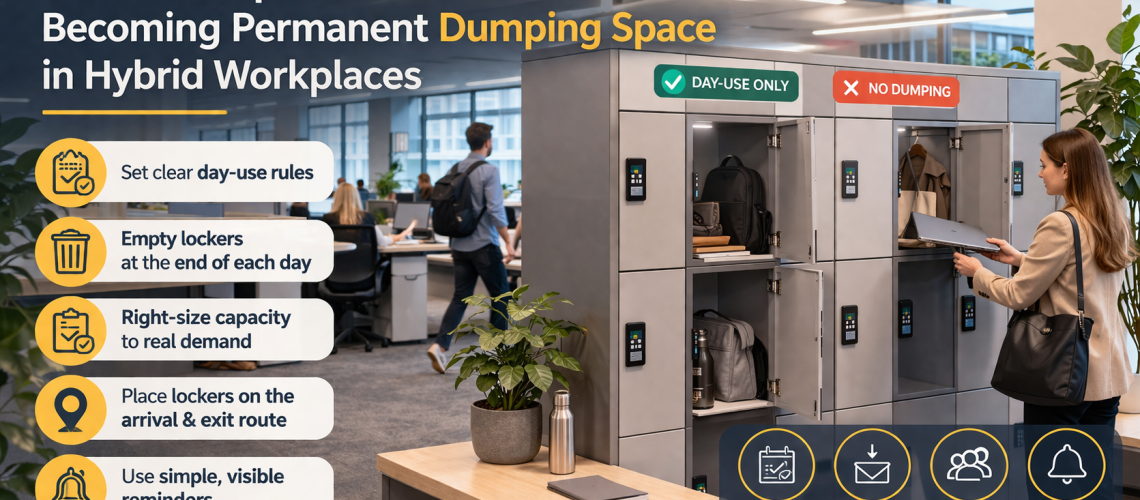
Locker choice matters, but locker layout matters just as much. A well-made locker can still underperform if the surrounding area is cramped, awkward to clean or frustrating to use. In schools, workplaces, gyms, leisure centres and changing rooms, layout affects how the whole space functions day after day.
Locker ventilation is often overlooked when people choose storage. Size, lock type and material usually get more attention. Even so, airflow plays a major part in how well lockers perform over time. In schools, workplaces, gyms, leisure facilities and changing rooms, poor ventilation can lead to stale interiors, trapped moisture and a less pleasant user experience.
Not every locker is designed for the same setting. A locker that works well in a dry office corridor may perform poorly beside a swimming pool, in a shower area or in an exposed outdoor location. That is why environment-specific locker selection matters.