Locker Ventilation: Why Airflow Matters for Hygiene, Odour and Locker Lifespan
April 11, 2026
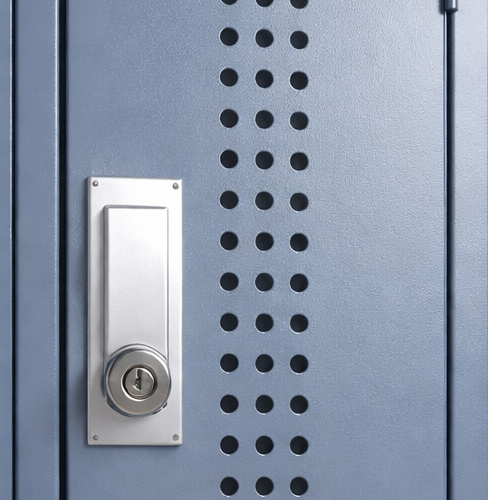
Locker ventilation is an important part of choosing lockers for schools, workplaces, gyms, leisure facilities and changing rooms. Size, material, lock type and price often receive more attention, but airflow can affect moisture build-up, odour, hygiene and the long-term condition of the locker.
The need becomes particularly important when lockers are used for clothing, footwear, towels, uniforms, PPE or sports kit. These items can introduce moisture and odours into an enclosed compartment, especially when they are stored immediately after exercise, outdoor work or a long shift.
This guide explains why locker ventilation matters, which environments need it most, what ventilation features to look for and how airflow should influence the wider locker specification. Its focus is the airflow requirement itself: mesh lockers, heated lockers, materials and room design are linked where relevant but remain separate specification decisions. If you are still at the beginning of the buying process, start with our How to Choose Lockers UK guide.
Quick Answer: Why Do Lockers Need Ventilation?
Locker ventilation allows air to move through or around an enclosed storage compartment. This can help reduce the conditions that allow moisture, stale air and odours to remain trapped around clothing, footwear and personal belongings.
- Helps stale air escape from enclosed compartments.
- Can help moisture disperse from damp clothing, shoes and equipment.
- Supports better hygiene and fresher locker interiors.
- Is particularly useful in gyms, schools, workplaces and changing rooms.
- Can reduce how long moisture remains against locker surfaces.
- Supports the long-term condition of lockers when combined with the correct material and cleaning regime.
Ventilation should be considered when the locker is specified, not after moisture or odour problems have already appeared.
Where Ventilation Fits into the Locker Specification
Ventilation should be considered after the basic storage requirement is understood but before the locker specification is finalised.
- Establish who will use the lockers and what they will store.
- Identify whether clothing, footwear, PPE, towels or equipment will regularly be damp.
- Choose a locker type and material suitable for the environment.
- Decide whether passive airflow is sufficient or active drying is required.
- Check how the locker ventilation works with the surrounding room conditions.
- Confirm the final size, configuration, access method and installation details.
This keeps ventilation as a locker specification principle rather than allowing it to become a general room-layout topic. Room ventilation, materials, locker type and heating all influence the result, but each has its own primary decision.
Why Locker Ventilation Matters
A locker is deliberately enclosed to provide secure and organised storage. The same enclosure that protects belongings can also restrict air movement.
If damp clothing, footwear or equipment is placed inside and the air has little opportunity to move, moisture and odours can remain in the compartment for longer.
Effective ventilation can help with several connected issues:
- moisture build-up;
- stale internal air;
- odour from footwear and clothing;
- drying of damp items between uses;
- locker hygiene;
- corrosion risk in unsuitable conditions;
- and long-term locker condition.
Ventilation cannot compensate for the wrong locker material or poor cleaning, but it can form an important part of a well-specified installation.
What Causes Poor Airflow Inside Lockers?
Poor airflow is not always caused by one design feature. It is often the result of the locker, the stored items and the surrounding room conditions acting together.
Common causes include:
- enclosed compartments with limited ventilation openings;
- damp coats, towels, shoes, uniforms or sportswear being placed inside;
- humid changing rooms or wet-adjacent areas;
- high-frequency use with little time between users;
- poor ventilation in the surrounding room;
- locker banks positioned in areas with restricted air movement;
- and lockers remaining continuously full of clothing or equipment.
The more of these conditions that apply, the more important ventilation becomes when choosing the locker.
Which Environments Need Locker Ventilation Most?
Almost any locker can benefit from sensible airflow, but some environments place much greater demands on the locker than others.
| Environment | Why ventilation matters |
|---|---|
| Gyms and leisure centres | Sportswear, towels, shoes and frequent user turnover can introduce moisture and odour. |
| Swimming and wet-adjacent facilities | Higher humidity and damp clothing increase the ventilation requirement. |
| School PE changing rooms | Sports clothing, footwear and concentrated periods of use can create stale compartments. |
| Workplace changing rooms | Uniforms, workwear, boots and PPE may remain inside for long periods. |
| Factories and warehouses | Outdoor clothing, workwear and PPE can introduce moisture and dirt. |
| Staff welfare facilities | High daily use and shift changes can produce repeated moisture and odour loads. |
| Offices | Coats, shoes, cycle equipment and gym clothing may still create a ventilation requirement. |
The requirement is therefore determined by what goes inside the locker and the conditions around it, not simply by the sector name.
Locker Ventilation and Moisture
Moisture is one of the strongest reasons to consider locker airflow. Damp clothing or footwear introduces water vapour directly into an enclosed compartment. If that moisture cannot disperse easily, the interior can remain damp for longer.
This does not mean a ventilated locker should be treated as a drying machine. Very wet clothing still requires an appropriate drying process. Ventilation simply gives moisture a better opportunity to escape than a completely enclosed compartment.
Where drying wet workwear is a primary requirement rather than an occasional issue, a purpose-designed solution may be more appropriate. See our heated lockers for workplaces guide and heated lockers for drying workwear.
Passive Ventilation, Mesh or Heated Lockers?
| Requirement | Typical approach | Primary purpose |
|---|---|---|
| General airflow around stored clothing | Ventilated solid locker | Passive air exchange |
| High airflow and visible contents | Mesh locker | Ventilation plus visibility |
| Regularly wet workwear that needs help drying | Heated locker | Active drying assistance |
The three approaches should not be treated as interchangeable. Mesh construction is a product type, heated lockers add active drying, and ventilation remains the underlying airflow principle.
How Ventilation Supports Locker Hygiene
Locker hygiene depends on more than wiping down doors and handles. The internal compartment also needs to remain manageable, particularly when it holds clothing, footwear or equipment.
Better airflow can reduce the length of time that stale, enclosed conditions remain inside the locker. It does not replace cleaning or sensible user behaviour, but it supports both.
A good hygiene strategy combines:
- appropriate locker ventilation;
- regular cleaning;
- materials suitable for the environment;
- good room ventilation;
- access for cleaning around the locker bank;
- and sensible handling of wet or dirty items.
How Ventilation Helps Control Locker Odour
Odour is one of the most noticeable symptoms of poor locker airflow. Worn sportswear, workwear, towels and footwear can all release moisture and odours into an enclosed compartment.
Air movement helps reduce the conditions in which those smells remain concentrated. This is particularly useful in PE changing rooms, gyms, leisure centres and workplaces where clothing is stored after physical activity or demanding work.
Ventilation is not a substitute for washing clothing, drying equipment or cleaning the locker, but it can make the storage environment substantially more suitable for these items.
Locker Ventilation and Material Choice
Ventilation and locker material should be considered together.
A well-ventilated locker made from a material unsuited to its environment can still deteriorate. Equally, choosing a moisture-resistant material does not remove the benefits of airflow where damp clothing or equipment is stored.
Common locker materials include:
| Locker material | Ventilation consideration |
|---|---|
| Steel | Suitable for many dry commercial environments, but persistent moisture should still be considered when specifying the installation. |
| Laminate-door lockers | Often selected for appearance and durability, but the complete locker construction should still suit the room conditions. |
| Plastic lockers | Useful where moisture and corrosion resistance are important, although stored clothing and footwear can still benefit from airflow. |
| Specialist lockers | Ventilation requirements should be considered alongside the specific storage purpose and environment. |
For a detailed comparison of steel, laminate and plastic construction, see Locker Materials Explained.
Does Ventilation Help Lockers Last Longer?
Ventilation can contribute to better long-term locker condition by reducing the amount of time moisture remains trapped inside a compartment.
This matters most in demanding environments where lockers regularly receive damp clothing, workwear or sports kit. Persistent moisture can place additional stress on surfaces, fittings and components, particularly if the locker material was not selected for those conditions.
Airflow should therefore be considered as one part of a wider service-life strategy that also includes:
- correct material selection;
- appropriate cleaning;
- maintenance and replacement parts;
- correct installation;
- and appropriate use of the locker.
For the wider ownership question, including maintenance, replacement and long-term value, see our locker lifespan and whole-life cost guide.
What Locker Ventilation Features Should You Look For?
Locker ventilation designs vary between manufacturers and product ranges. The objective is to provide a sensible route for air movement while preserving the security and practical function of the compartment.
Depending on the locker, useful features can include:
- ventilation slots in doors;
- perforations or openings intended to promote airflow;
- body designs that provide additional ventilation routes;
- internal arrangements that do not unnecessarily restrict air movement;
- and specialist ventilated designs for clothing or workwear applications.
Do not assume that every visible opening provides the same level of ventilation. Compare the actual locker design and intended application rather than choosing on appearance alone. Where maximum passive airflow and content visibility are important, compare the dedicated Mesh Lockers UK guide.
Do Locker Door Ventilation Slots Make a Difference?
Ventilation slots provide a route for air exchange between the locker compartment and the surrounding room. Their effectiveness still depends on the wider conditions, including room airflow, the amount of moisture being introduced and whether the locker is heavily packed with clothing or equipment.
Slots should therefore be treated as part of the ventilation design rather than as proof that a locker will automatically remain dry in every environment.
Locker Ventilation and Installation Details
The way lockers are installed can influence cleaning, moisture management and airflow around the installation.
Depending on the project, lockers may be:
- installed at floor level;
- raised on locker stands or legs;
- mounted above plinths;
- or fitted with sloping tops.
These features should primarily be selected around installation, cleaning and operational requirements rather than ventilation alone. However, easier cleaning around and beneath a locker bank can support the overall hygiene of the area.
See our separate guide to locker stands, plinths and sloping tops for the detailed specification decision.
Room Ventilation and Locker Ventilation Are Not the Same
A locker can have ventilation openings while still being installed in a poorly ventilated room. Likewise, good room ventilation does not necessarily move enough air through a completely enclosed locker compartment.
The two systems should work together:
- locker ventilation helps air move into and out of the individual storage compartment;
- room ventilation helps manage the wider changing room, workplace or leisure environment.
This distinction matters because a better locker cannot correct inadequate room ventilation, and a well-ventilated room does not guarantee useful airflow inside a tightly enclosed compartment.
Do Assigned Lockers Need More Ventilation?
Assigned and shared lockers can both benefit from ventilation, but the usage pattern is different.
| Locker use | Typical ventilation issue |
|---|---|
| Assigned lockers | The same clothing, footwear or personal belongings may remain inside throughout the working day or for several days. |
| Shared day-use lockers | Different users may repeatedly introduce clothing, bags or equipment during periods of high turnover. |
| Public leisure lockers | Sportswear, swimwear, towels and footwear may create repeated moisture and odour loads. |
Neither allocation model removes the need to consider airflow. The important question is what is stored, how long it remains inside and how frequently the compartment is used.
Ventilation for School Lockers
School lockers can contain coats, PE clothing, footwear, bags and sports equipment. Where PE kit or damp outdoor clothing is regularly stored, ventilation becomes more significant.
The requirement should be considered alongside durability, compartment size, pupil age, lock management and the location of the lockers. A corridor installation holding books and bags may have a different requirement from lockers serving a PE changing room.
Ventilation for Workplace Lockers
Workplace lockers frequently store uniforms, outdoor clothing, safety footwear, PPE and personal belongings. In industrial environments, clothing may be damp from rain or physical work before it is placed inside.
Where wet workwear is routinely stored, consider whether ordinary ventilated lockers are sufficient or whether dedicated drying equipment is required.
Ventilation for Gym and Leisure Lockers
Gyms, sports centres and leisure facilities combine frequent locker turnover with clothing, footwear, towels and sometimes wet swimwear. This makes airflow particularly relevant.
The locker material must also suit the actual environment. A product suitable for a dry gym changing area should not automatically be assumed suitable beside showers, swimming pools or other high-moisture locations.
Can Ventilation Reduce Corrosion Risk?
Reducing the time that moisture remains trapped around a locker can support better long-term conditions, but ventilation should not be relied upon as the primary corrosion-control measure.
If the environment is persistently damp, humid or wet, choosing an appropriate locker material is more important. The locker specification should be suitable for the conditions before ventilation is considered as an additional benefit.
Locker Ventilation and Service Life
Ventilation can support the long-term condition of an installation where damp clothing or equipment is regularly stored, because it can reduce how long moisture remains trapped inside the compartment. It should not be assigned a specific financial saving without evidence from the installation.
For purchase cost, maintenance and replacement economics, use the dedicated Commercial Locker Costs UK and Locker Lifespan and Whole-Life Cost guides.
Common Locker Ventilation Mistakes
Several specification mistakes can reduce the effectiveness of locker airflow or create unrealistic expectations.
- Ignoring what will be stored. Wet kit and workwear create a different requirement from books or office bags.
- Choosing by appearance alone. A locker can look suitable without having the material or ventilation needed for the environment.
- Assuming passive ventilation replaces drying. Ventilation can help moisture disperse but is not a substitute for heated or other specialist drying equipment where wet clothing is routinely stored.
- Assuming ventilation replaces cleaning. Airflow supports hygiene but does not clean locker interiors.
- Ignoring the surrounding room. Locker and room ventilation need to work together.
- Choosing the wrong locker material. Ventilation cannot make an unsuitable locker construction appropriate for a persistently wet environment.
- Treating ventilation as an afterthought. It is easier to specify appropriate lockers at the beginning than address persistent moisture or odour later.
Locker Ventilation Specification Checklist
Before choosing lockers, check the following:
- What will users store inside the locker?
- Will clothing, footwear or equipment regularly be damp?
- How long will items normally remain inside?
- Is the locker assigned to one user or repeatedly shared?
- Is the surrounding room dry, humid or wet-adjacent?
- Is the selected locker material appropriate for those conditions?
- Does the proposed locker provide suitable ventilation openings?
- Does the wider room have adequate ventilation?
- Can the installation be cleaned effectively?
- Are stands, plinths or other installation options required?
- Is ordinary ventilation sufficient, or is dedicated drying required?
Related Locker Specification Guides
Use these guides where the ventilation decision leads into a separate locker type, material or wider specification question:
- Mesh Lockers UK – when high passive airflow and visibility are part of the product choice.
- Heated Lockers for Workplaces UK – when wet clothing needs active drying assistance.
- Outdoor Lockers – when the locker itself must suit external exposure.
- Locker Materials Explained – compare steel, laminate and plastic construction.
- Locker Planning UK – room layout, quantities, circulation and installation planning.
- How to Choose Lockers – the main buying and selection guide.
Choose Commercial Lockers for the Environment
Locker ventilation is most effective when it forms part of a complete specification. Start with what users need to store, choose a material suitable for the environment, establish the required size and configuration, then check whether moisture, clothing, footwear or equipment create an additional airflow requirement.
Total Locker Service supplies a wide range of commercial lockers for schools, workplaces, factories, gyms, leisure facilities and specialist applications, with different materials, sizes, configurations and ventilation characteristics.
Compare the environment and storage requirement before selecting the individual product. If airflow is only one part of a more unusual requirement, use the specialist locker applications guide to compare outdoor, mesh, heated and other specialist locker types.
Locker Ventilation FAQs
Why do lockers need ventilation?
Locker ventilation helps air move through or around an enclosed compartment. This can reduce the conditions that allow moisture, stale air and odours to remain trapped around clothing, footwear and personal belongings.
Does locker ventilation help prevent odours?
Ventilation can help reduce the conditions in which odours remain concentrated inside a locker. It does not replace cleaning, washing or proper drying.
Can locker ventilation help damp clothes dry?
Air movement can help moisture disperse more effectively than in a completely enclosed compartment. Where clothing is routinely very wet, a heated or other purpose-designed drying solution may be more appropriate.
Are mesh lockers better ventilated than solid lockers?
Mesh lockers provide a much more open construction and can therefore offer high levels of passive airflow and visibility. Solid lockers can also include ventilation slots or perforations, so the right choice depends on privacy, security, environment and the stored items.
Are ventilation slots enough for a wet changing room?
Not necessarily. The locker material must also suit the moisture level, and the surrounding room needs appropriate ventilation, cleaning and moisture management.
When should heated lockers be used instead of ordinary ventilation?
Heated lockers are more appropriate where wet workwear or clothing regularly needs active drying assistance between uses. Ordinary ventilation is better treated as passive airflow rather than a drying system.
Discover more from Blog Total Locker Service
Subscribe to get the latest posts sent to your email.