What Are Storage Systems? Types, Uses and Examples (UK Guide)
April 28, 2026
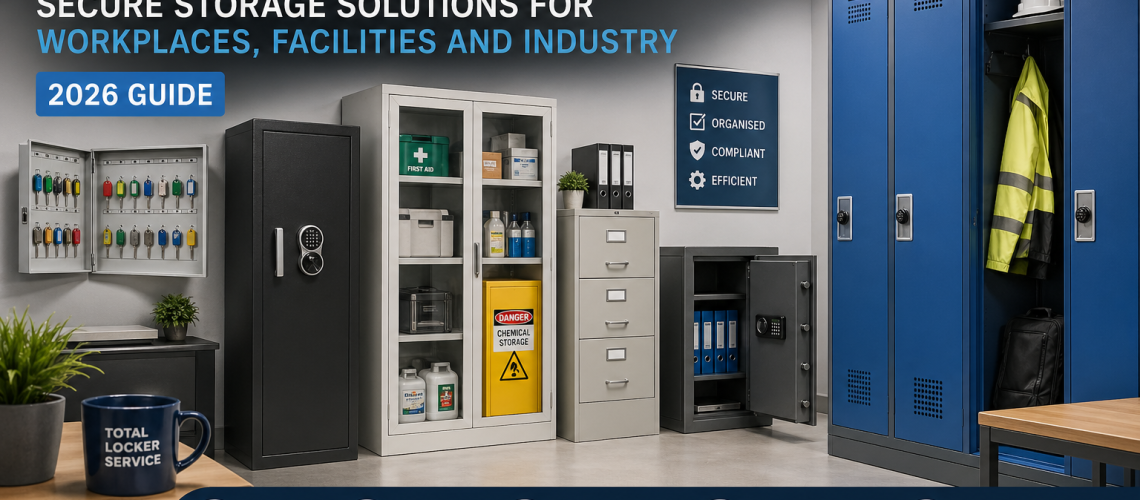
Storage systems are used to organise, protect and control access to keys, equipment, documents, valuables, chemicals, medicines and personal belongings in UK workplaces, schools, healthcare settings, leisure sites and industrial facilities.
A good storage system is more than a cupboard, locker or cabinet. It combines the right product, lock type, access process, location, capacity and management procedure. When these parts work together, the system reduces loss, improves accountability and helps staff use shared spaces more efficiently.
This guide explains the main types of storage systems used across the UK, how they differ, where each one works best, and how to choose a secure storage solution for your environment.
What are storage systems?
A storage system is a planned way of storing, securing and managing items within a workplace or facility. It may include lockers, key cabinets, safes, medical cabinets, COSHH cabinets, charging lockers, filing cabinets or other secure storage products.
The system should match the items being stored, the people who need access, the risks involved and the environment where the storage is installed.
For example, a simple staff locker may only need a keyed or combination lock. A key control system may need numbered hooks, sign-out procedures and restricted access. A medical cabinet may require stronger access control, fixing, segregation and record keeping.
Types of storage systems in the UK
Most commercial storage systems fall into several main groups. Each group solves a different problem.
| Storage system type | Common use | Typical products |
|---|---|---|
| Locker storage systems | Staff, pupils, visitors, uniforms, bags and devices | Workplace lockers, school lockers, wet area lockers, charging lockers |
| Key storage systems | Managing building, vehicle, cabinet and master keys | Key cabinets, key safes, key control boards |
| Secure cabinet systems | Controlled storage for medicines, chemicals, PPE and equipment | Medical cabinets, COSHH cabinets, PPE cabinets |
| Document and data storage | Protecting records, files, media and sensitive documents | Fire safes, data safes, filing cabinets |
| High-security storage systems | Restricted access, valuable items and accountable storage | Safes, digital lockers, RFID systems, audit-controlled storage |
Locker storage systems
Locker storage systems are used where people need secure personal or shared storage. They are common in workplaces, schools, leisure centres, gyms, factories, warehouses and public facilities.
The right locker system depends on the users, the setting and the items being stored. Staff lockers may need assigned compartments. Visitor lockers may need shared-use locks. Wet areas need materials that resist corrosion and moisture. Device storage may need charging points and cable management.
For staff and commercial environments, see our workplace lockers UK range.
Common locker options include steel lockers, laminate door lockers, plastic lockers, wet area lockers, charging lockers, mesh lockers and Z lockers. Each option has a different balance of strength, appearance, ventilation, hygiene and cost.
Key storage systems and key control
Key storage systems help businesses control access to keys and reduce the risk of loss, misuse or poor accountability. They are used in offices, care homes, schools, garages, estates teams, warehouses and facilities management settings.
A basic key cabinet may be enough for small sites. Larger workplaces may need labelled hooks, index systems, key tags, sign-out logs, restricted access and clear staff procedures.
For a full guide, read our key storage systems UK guide.
Key control becomes more important when keys provide access to vehicles, medicines, restricted rooms, plant rooms, cash areas, master suites or external buildings. In those cases, the storage system should include both a secure cabinet and a clear access process.
Secure cabinet storage systems
Secure cabinet storage systems are used when items need to be protected, segregated or controlled. These systems are common in healthcare, education, manufacturing, cleaning, maintenance and commercial environments.
Medical cabinets, COSHH cabinets, PPE cabinets and controlled storage cupboards all serve different purposes. The cabinet should be selected based on the contents, access risk, location and any relevant workplace procedures.
For healthcare and controlled storage, see our medical storage cabinets.
Cabinet storage should not be specified by size alone. The lock, fixing method, access rules, segregation requirements and inspection process all affect whether the system works properly.
Document and data storage systems
Document and data storage systems protect paper records, digital media, backups, contracts, certificates and other sensitive information. They are especially important for offices, schools, healthcare settings, legal firms, finance teams and business owners.
A standard cabinet may organise files, but it may not protect them from fire or unauthorised access. Fire safes, data safes and fire-resistant filing cabinets are designed for higher-risk storage needs.
For fire protection options, see our fire safes UK range.
Paper documents and digital media need different protection. Paper can survive higher temperatures than digital media. Because of this, USB drives, hard drives and backup tapes should usually be stored in a data safe rather than a standard fire safe.
Equipment and asset storage systems
Equipment and asset storage systems help businesses manage shared tools, PPE, uniforms, laptops, tablets, radios, maintenance equipment and workplace supplies.
These systems reduce loss and improve availability. Staff can find what they need more quickly, managers can control access, and valuable equipment can be stored in a more organised way.
Charging lockers are useful where laptops, tablets, phones or handheld devices need to be stored and charged between uses. For more detail, see our charging lockers UK guide.
High-security storage systems and access control
High-security storage systems are used when access must be restricted, recorded or tightly controlled. This may include valuable items, master keys, controlled medicines, business-critical documents, devices, tools or sensitive equipment.
Stronger systems may include digital locks, RFID access, audit trails, electronic key control, restricted staff permissions and stronger physical construction.
The best option depends on the risk. A stronger product alone will not solve poor access control. A good high-security system should combine physical security with clear management rules.
How to choose the right storage system
Start with the item being stored. Then assess the environment, user group, access risk and management process.
- What is being stored? Keys, clothing, documents, medicines, tools and devices all need different storage.
- Who needs access? Staff, visitors, pupils, contractors and managers may need different levels of control.
- How often is access needed? Daily-use storage should be easy to reach and simple to manage.
- What is the risk level? Higher-value or controlled items need stronger locks and procedures.
- Where will it be installed? Wet areas, public areas and restricted rooms all affect product choice.
- How much capacity is needed? Allow for current use and future expansion.
For low-risk personal storage, standard lockers or basic cabinets may be enough. For shared, high-value or controlled items, consider stronger locks, audit trails and documented access procedures.
Storage systems by sector
Different sectors need different storage systems. The same product may work well in one environment and poorly in another.
Workplaces
Workplaces often need staff lockers, key cabinets, document storage, device charging and secure cupboards for equipment or PPE. A good workplace storage system improves organisation and reduces time lost looking for items.
Schools and colleges
Education settings usually need pupil lockers, staff storage, key control, charging storage and secure cabinets for equipment. Durability, ease of use and supervision are important.
Healthcare and care homes
Healthcare environments may need medical cabinets, controlled access, segregation, staff lockers, records storage and key control. Storage procedures are as important as the cabinets themselves.
Leisure centres and gyms
Leisure settings often need wet area lockers, changing room benches, visitor storage and shared-use lock options. Moisture resistance, hygiene and user turnover should guide the specification.
Industrial and warehouse sites
Industrial sites may need staff lockers, PPE storage, tool storage, key control and COSHH storage. Products should be robust, easy to clean and suited to demanding daily use.
Common storage system mistakes to avoid
Many storage problems happen because the product is chosen before the system is planned. This can lead to poor capacity, weak access control or unsuitable materials.
- Choosing by price alone
- Ignoring future capacity
- Using indoor products in damp or wet areas
- Failing to control who has access
- Using one storage type for every item
- Placing storage in the wrong location
- Not labelling or indexing stored items
- Forgetting maintenance, spare parts and replacement keys
A better approach is to plan the storage system around risk, access, location and daily use.
Storage system comparison
| Need | Best starting point | Consider upgrading when |
|---|---|---|
| Personal belongings | Staff lockers | Users change often or shared-use access is needed |
| Keys | Key cabinet | Keys are high-risk, shared or frequently signed out |
| Documents | Lockable filing cabinet | Fire protection or stronger security is required |
| Digital media | Data safe | Backups or sensitive records need protection |
| Medicines | Medical cabinet | Access control, segregation or inspection evidence is required |
| Chemicals | COSHH cabinet | Hazardous storage needs controlled segregation |
| Devices | Charging locker | Shared laptops, tablets or phones need charging and control |
Why storage systems matter
Storage affects security, efficiency, safety and accountability. Poor storage causes lost items, uncontrolled access, cluttered workspaces and avoidable disruption.
A well-designed system helps staff know where items belong, who can access them and how they should be returned. It also supports better workplace organisation and makes facilities easier to manage.
The strongest storage systems combine the right product with the right process. Lockers, cabinets and safes provide the physical structure. Labelling, access control, staff procedures and review routines make the system work.
Storage systems FAQs
What is the best storage system for a workplace?
The best workplace storage system depends on what needs to be stored. Staff belongings usually need lockers. Keys need key cabinets or key control systems. Documents may need filing cabinets, fire safes or data safes. Equipment may need secure cupboards, charging lockers or asset storage.
What is the difference between storage and secure storage?
Storage keeps items organised. Secure storage also controls access and reduces the risk of loss, theft, misuse or damage.
Are lockers a storage system?
Lockers can form part of a storage system. A full locker storage system may include the lockers, locks, numbering, user rules, spare key control and maintenance process.
When should a business use a key storage system?
A business should use a key storage system when keys are shared, valuable, difficult to replace or provide access to restricted areas, vehicles, equipment or sensitive rooms.
Do storage systems need digital access control?
Not always. Simple keyed or combination locks may be enough for low-risk use. Digital, RFID or audit-controlled systems are more useful where many users need access or where accountability is important.
Choosing a storage system for your site
The right storage system should match your items, users, risk level and working environment. A small office may only need lockers, a key cabinet and filing storage. A larger facility may need separate systems for staff belongings, keys, equipment, medicines, documents and controlled access areas.
Total Locker Service supplies workplace lockers, key cabinets, secure cabinets, charging lockers and storage products for UK businesses, schools, healthcare sites, leisure facilities and industrial environments.
For help choosing the right storage system, start with the product area that matches your main need: workplace lockers, key storage systems, medical storage cabinets or fire safes and secure safes.
Discover more from Blog Total Locker Service
Subscribe to get the latest posts sent to your email.