How to Reduce Locker Damage and Extend Locker Lifespan
April 11, 2026
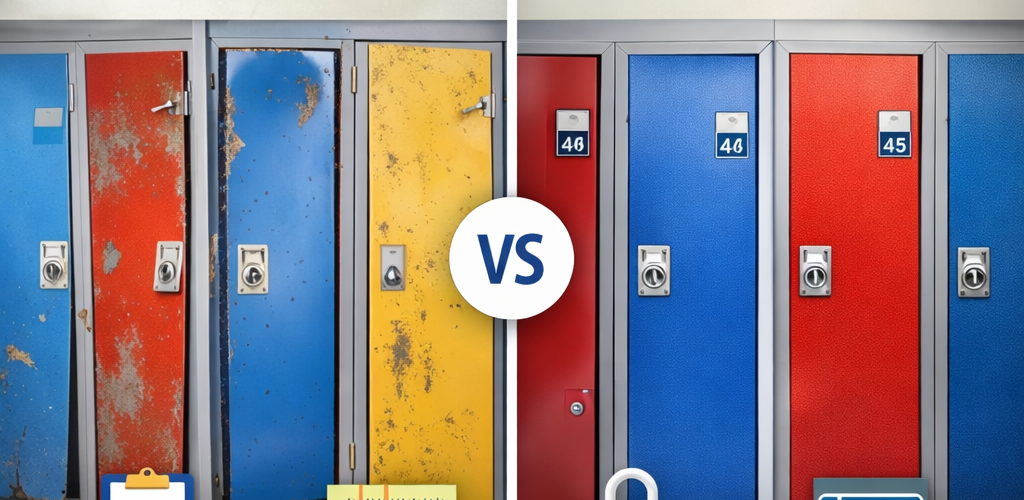
Lockers are built for regular use, but no storage system stays in good condition without the right planning and care. In schools, workplaces, gyms and industrial settings, lockers are opened and closed every day. Doors are pulled, locks are turned and bags are pushed inside. Over time, that daily use creates wear.
Some wear is normal. However, repeated damage, neglected faults and unsuitable usage can shorten the life of the locker bank much sooner than expected. Dented doors, loose hinges and broken locks often begin as small issues. Left unchecked, they become more expensive and more disruptive.
This guide explains how to reduce locker damage and extend lifespan across different environments. For a broader overview of lockers, see our main pillar page.
Why locker lifespan matters
A locker system is part of the wider building environment. When lockers stay in good condition, the space feels organised and reliable. When damage builds up, the area quickly feels neglected.
- lower replacement costs
- fewer repairs
- better user confidence
- improved appearance
- stronger long-term value
Most damage starts small
Serious damage rarely happens all at once. Minor issues build over time and create larger problems if ignored.
- doors not closing properly
- stiff or awkward locks
- loose labels or number plates
- repeated dents in the same areas
- loose handles or hinges
Poor layout increases damage
Layout plays a major role in locker lifespan. Tight spaces, narrow aisles and poorly placed benches create unnecessary impact and wear.
- insufficient door opening space
- crowded walkways
- benches too close to lockers
- users brushing past doors
Door damage is common
Locker doors take the most visible wear. Frequent contact and impact lead to dents, scratches and alignment issues.
- dents and scratches
- chipped finishes
- bent edges
- loose hinges
- misalignment
Locks need regular attention
Lock condition directly affects how lockers are used. Faulty locks often lead to increased force and further damage.
- stiff operation
- worn keys
- loose lock bodies
- damaged hasps
- faulty combination locks
See locker repairs and maintenance for support.
Environment affects wear
Different environments place different demands on lockers. Schools, workplaces, gyms and industrial sites all create unique wear patterns.
- schools: impact and high traffic
- workplaces: steady daily use
- leisure: moisture and cleaning exposure
- industrial: heavier items and tougher routines
Explore swimming pool lockers or mesh lockers where appropriate.
User behaviour matters
How users handle lockers affects their lifespan. Clear expectations can reduce avoidable damage.
- close doors properly
- avoid overfilling
- report faults early
- use locks correctly
- prevent unnecessary impact
Schools need structured routines
Heavy daily use in schools increases the risk of damage. Simple rules and regular checks help control wear.
- clear numbering
- routine inspections
- adequate space around lockers
- quick fault reporting
See school locker guide.
Workplace lockers need consistency
Damage in workplaces often develops slowly but still requires attention. Regular checks and clear reporting systems help maintain condition.
- routine inspections
- clear reporting processes
- defined shared-use rules
- separate locker zones
Changing rooms require moisture control
Wet environments create different challenges. Moisture and cleaning routines can accelerate wear.
- manage wet floors
- ensure ventilation
- check finishes regularly
- maintain lock performance
Industrial settings need durability
Industrial lockers face heavier use and require stronger planning and product selection.
- choose appropriate locker types
- allow space for PPE and equipment
- inspect hinges and locks regularly
- respond quickly to damage
Compare garment lockers and heated lockers.
Maintain numbering and labels
Clear identification helps keep the locker system organised. Damaged or missing labels reduce usability.
- check visibility of numbers
- replace damaged labels
- maintain zone markers
Small repairs prevent bigger issues
Addressing minor faults early prevents more serious damage later.
- fix loose hinges
- replace faulty locks
- repair damaged doors
- maintain structural integrity
Common mistakes to avoid
- overloading lockers
- ignoring layout issues
- delaying repairs
- using unsuitable locker types
- reactive maintenance only
Questions to ask
- Is the locker suitable for the environment?
- Are users overloading compartments?
- Is the layout causing damage?
- Are checks carried out regularly?
- Are faults reported quickly?
Final thoughts
Reducing locker damage and extending lifespan depends on good layout, user behaviour and regular maintenance. Small actions taken early protect the investment and improve long-term performance.
Explore the full locker range to find the right solution for your environment.
“`
Discover more from Blog Total Locker Service
Subscribe to get the latest posts sent to your email.