Lockers for Wet Areas: What Actually Works Long-Term?
February 17, 2026
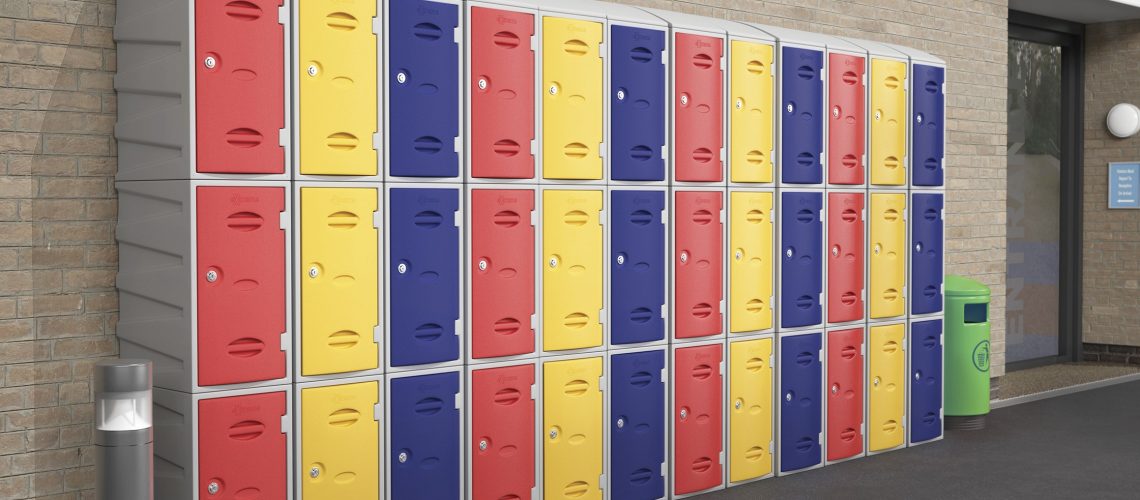
Wet area lockers operate in some of the harshest indoor conditions found in commercial buildings. Swimming pools, spas and leisure centres create constant humidity, condensation cycles and chemical exposure. Over time, these conditions test every component of a locker system.
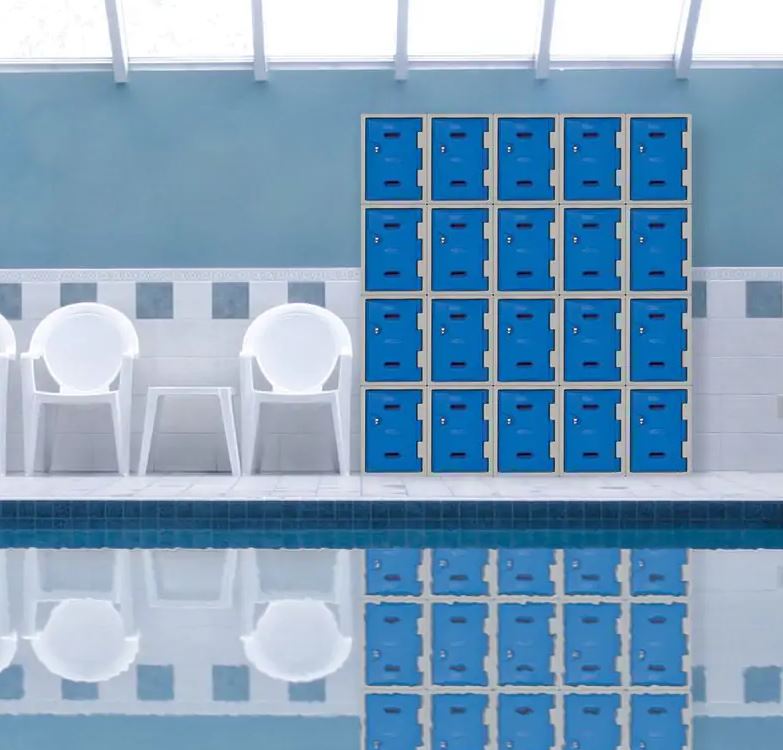
Choosing the wrong locker material leads to corrosion, swelling, surface deterioration and early replacement. Choosing correctly provides 15 years or more of reliable service. This guide explains what genuinely works in wet internal environments and why.
For a full overview of locker categories and materials across all sectors, see our complete lockers guide.
Understanding the Wet Area Environment
Wet internal environments differ from standard indoor corridors. They are characterised by:
- Persistent high humidity
- Chlorinated air in pool halls
- Frequent water splashing
- Steam and heat fluctuation
- Strong cleaning chemicals
Chlorine vapour accelerates corrosion in ferrous metals. Even small scratches in protective coatings allow moisture to penetrate, triggering oxidation beneath the surface.
Steel Lockers in Wet Areas
Standard powder-coated steel lockers perform well in dry environments. However, in poolside and spa settings, they often deteriorate prematurely.
Corrosion Behaviour
Steel corrodes when iron reacts with oxygen and moisture. Chlorine compounds increase reaction speed. Once the powder coating is chipped, rust spreads beneath the surface layer.
Common Failure Points
- Door edges
- Vent perforations
- Hinge brackets
- Lock surrounds
Even galvanised steel may struggle in long-term chlorinated environments unless enhanced protective measures are applied.
Laminate Lockers in Leisure Settings
Laminate door lockers combine a steel carcass with solid grade laminate doors. The laminate surface resists impact and scratching better than painted steel.
In moderately humid spa environments, laminate lockers can perform adequately when ventilation is well managed. However, the underlying steel carcass remains vulnerable to corrosion in highly chlorinated air.
Laminate lockers are often best suited to reception-adjacent changing areas rather than direct poolside locations.
Plastic Lockers: Designed for Moisture Resistance
Plastic lockers, typically manufactured from high-density polyethylene (HDPE), are non-corrosive by design. Unlike steel, they do not rely on protective coatings to resist moisture.
Why Plastic Performs Better in Wet Areas
- No rust formation
- Resistant to chlorine vapour
- Unaffected by condensation cycles
- Compatible with frequent cleaning
Because the material itself resists water absorption, scratches do not compromise structural integrity.
Structural Stability
Modern plastic lockers include reinforced internal ribbing and strong hinge supports. They resist warping under temperature variation and daily impact from gym bags and equipment.
Ventilation and Airflow
Even the best material requires adequate ventilation. Wet area locker rooms must support airflow to reduce internal moisture retention.
- Vent slots in doors
- Raised bases to prevent standing water contact
- Spacing between locker banks
- Mechanical ventilation systems
Poor airflow accelerates deterioration in all materials.
Locking Systems for Wet Area Lockers UK
Locks must also resist corrosion. Stainless steel cam locks or sealed digital units are preferred in leisure environments.
In pool facilities with high user turnover, digital locking systems reduce lost key issues while maintaining hygiene standards.
10-Year Cost Comparison in Wet Leisure Environments
| Material | Initial Cost | Corrosion Risk | Maintenance Level | Expected Lifespan in Wet Area |
|---|---|---|---|---|
| Standard Steel | ££ | High | High | 5–8 Years |
| Laminate Door | £££ | Moderate | Moderate | 8–12 Years |
| Plastic (HDPE) | £££ | None | Low | 15+ Years |
Common Specification Mistakes
- Installing standard steel lockers poolside
- Ignoring chlorine vapour exposure
- Underestimating humidity impact
- Selecting non-corrosion-resistant locks
- Choosing based solely on upfront price
Short-term savings often lead to premature replacement, increasing overall expenditure.
Internal Wet Areas vs Outdoor Lockers
Internal wet lockers differ from outdoor waterproof lockers. Outdoor units must withstand rainfall and temperature extremes. Wet internal lockers must resist humidity and chemical vapour.
For lockers exposed to weather conditions, read our outdoor waterproof lockers guide.
Final Recommendation
For swimming pools, spas and high-humidity leisure environments, plastic wet area lockers provide the most reliable long-term solution. Steel lockers remain suitable only in dry leisure corridors with controlled humidity. Laminate systems offer improved impact resistance but do not eliminate corrosion risk in chlorinated air.
Wet area lockers must be specified according to environmental reality. Long-term durability depends on material science, ventilation planning and corrosion-resistant hardware.
Discover more from Blog Total Locker Service
Subscribe to get the latest posts sent to your email.