The British Library: A Beacon of Knowledge
October 2, 2023
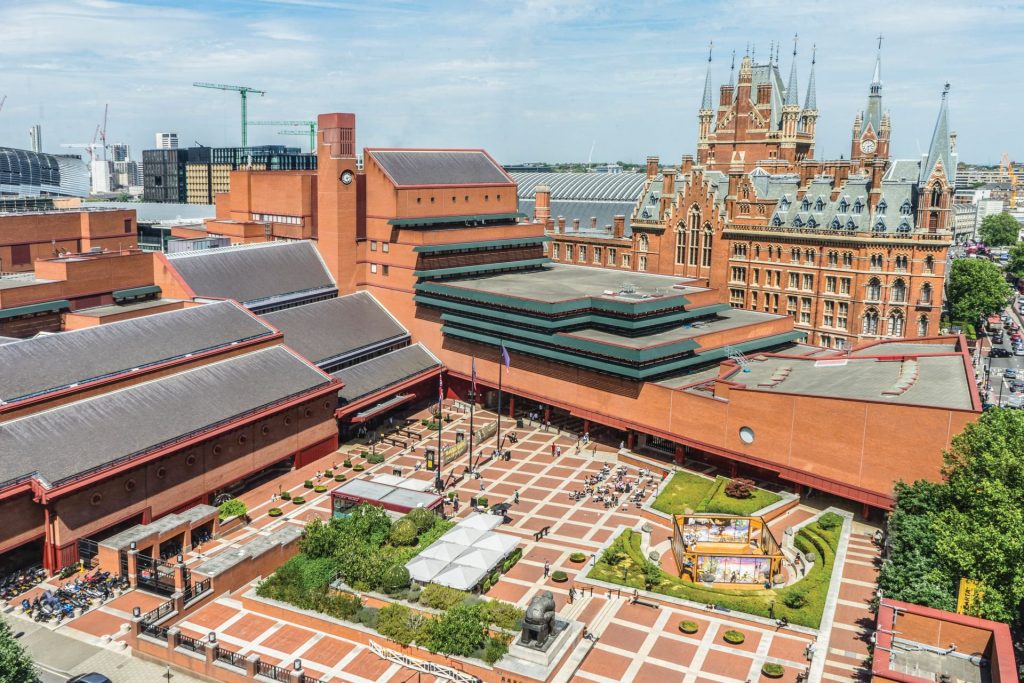
Total Locker Service supplied lockers for the British Library in London, providing secure personal storage for one of the UK’s best-known cultural and research institutions.
The project demonstrates the role well-specified commercial lockers can play in large public and institutional buildings where storage needs to be practical, durable and appropriate for frequent use.
Lockers for the British Library
The British Library requires storage that can support staff, visitors and operational areas within a busy institutional environment.
Total Locker Service supplied commercial lockers for the site, providing secure individual compartments while fitting into the wider requirements of the building.
Large public and cultural organisations often need locker installations that combine straightforward day-to-day use with durability, clear identification and suitable locking arrangements.
Locker Requirements for Large Public Buildings
Locker projects in libraries, museums, universities and other public institutions can involve different requirements from a small office or workplace installation.
- high numbers of users;
- frequent opening and closing;
- clear locker identification;
- practical access for staff and users;
- durable doors, frames and locks;
- efficient use of available floor and wall space;
- straightforward cleaning and maintenance; and
- integration with the surrounding building layout.
Choosing Lockers for Institutional Use
The right locker specification depends on who will use the lockers, what needs to be stored and how frequently the compartments will be accessed.
For institutional projects, important decisions can include:
- locker height, width and depth;
- single-door or multi-compartment configuration;
- steel, laminate or other suitable materials;
- key, combination or electronic locking;
- numbering and identification;
- flat or sloping tops;
- stands, plinths or floor-level installation;
- colour and finish; and
- delivery and installation requirements.
For broader selection guidance, see our How to Choose Lockers UK guide.
Locker Security and Access
The locking system should match the way the lockers are managed.
Assigned lockers may suit keyed or private-use combination locks, while shared or temporary-use lockers may require a different access method. Management should also consider replacement keys, forgotten codes, authorised access and future lock replacement.
See our Locker Locking Systems guide for a wider comparison of keys, codes and smart access.
Locker Numbering and Identification
Clear numbering becomes particularly useful where a building contains many lockers or several separate locker banks.
Consistent locker identification can make allocation, fault reporting, replacement parts and day-to-day management easier.
For identification options, see our Locker Numbering & Labelling Guide UK.
Locker Layout and Space Planning
Large institutional locker installations should be planned around the available room rather than simply fitting as many compartments as possible into the space.
- Allow sufficient room for locker doors to open.
- Keep circulation routes clear.
- Avoid obstructing entrances and exits.
- Consider cleaning access around locker banks.
- Allow for benches or other furniture where required.
- Plan runs and corners before confirming quantities.
For more detailed planning, see our Locker Layout Planning Guide UK.
Durable Lockers for Frequent Use
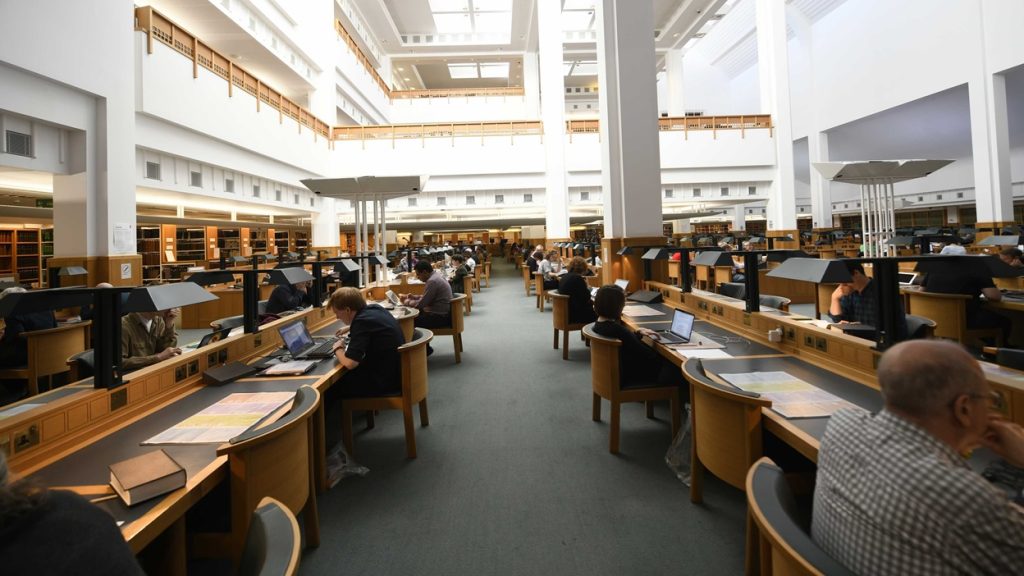
Public buildings can place greater demands on lockers than lightly used private spaces. Doors, hinges, locks and handles may all experience frequent use, so the specification should reflect expected traffic levels.
Where lockers remain in service for many years, access to replacement keys, locks and other parts can also become important.
For maintenance and replacement-component guidance, see our Locker Parts, Repairs & Servicing UK guide.
Lockers for Libraries, Museums and Public Institutions
The British Library project is one example of the wider storage requirements found across libraries, museums, universities, archives and other public institutions.
These environments may require lockers for:
- staff personal belongings;
- coats and bags;
- work equipment;
- temporary visitor storage;
- departmental storage; and
- shared workplace facilities.
The exact locker type should be selected around the users, security requirement, available space and operational needs of the building.
Planning a Large Locker Project
For larger installations, it helps to establish the main specification before requesting a quotation.
- Required number of lockers.
- Number of compartments per locker.
- Approximate dimensions.
- Preferred material and finish.
- Locking method.
- Numbering requirements.
- Room dimensions or layout drawings.
- Delivery access.
- Installation requirements.
British Library Locker Project Summary
Total Locker Service supplied lockers for the British Library, supporting secure personal storage within a major public institution.
The project demonstrates the importance of matching locker size, layout, locking method and identification to the operational requirements of the building rather than treating lockers as a standard one-size-fits-all product.
Browse our commercial locker range or contact Total Locker Service to discuss lockers for libraries, museums, universities, public buildings and other large facilities.
Discover more from Blog Total Locker Service
Subscribe to get the latest posts sent to your email.