Locker Key Code Checklist Before Ordering
April 14, 2026
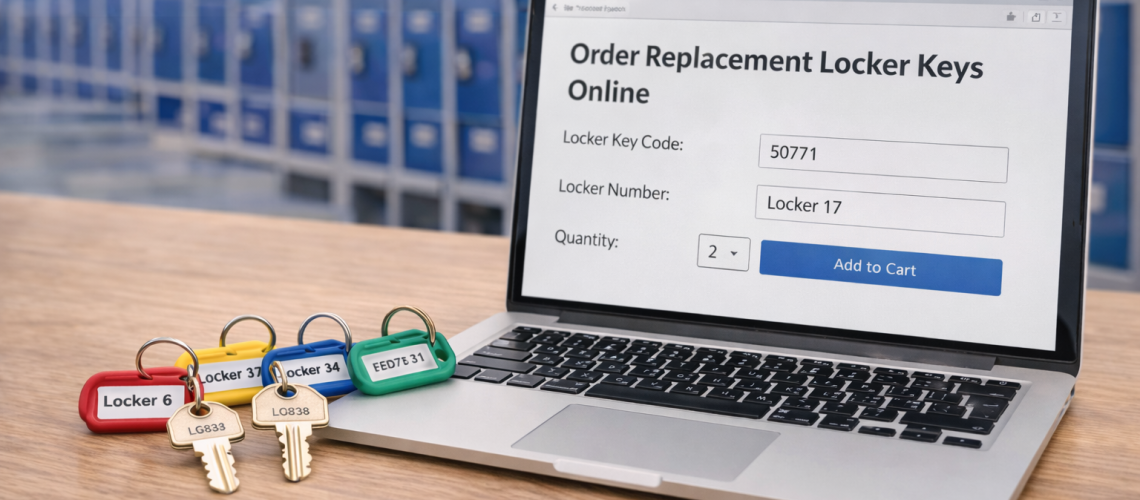
Accurate locker key information prevents wrong keys, delays and unnecessary lock replacements. Before placing an order, check the key code, lock details, quantity and delivery information carefully.
This guide is a practical checklist for schools, workplaces, gyms, leisure centres and facilities teams that manage keyed lockers. It explains what to check before ordering, how to avoid common mistakes and when a new lock may be the better option.
If you already have the correct key number and are ready to buy, use our main locker keys and replacement locker keys cut to code page.
Why Accurate Key Information Matters
Locker keys are usually made to a specific code, lock series or manufacturer range. A small error in the number can result in a key that does not fit, does not turn or operates the wrong lock type.
Taking a few minutes to check the information before ordering is normally faster than correcting an avoidable mistake later.
- Reduces incorrect key orders
- Helps site staff manage repeated requests
- Improves key records for future use
- Supports schools, workplaces and leisure sites with many lockers
- Helps identify when a lock should be replaced instead
Check the Key Code First
The key code is the most important detail. It is the number or letter-and-number combination used to identify the correct key pattern for the lock.
The code may be found on the original key, the lock face, the lock barrel, a site key register or the original locker documentation. Some codes include prefixes or suffixes, so the full marking should be recorded exactly.
- Read the full code, including any letters
- Check for worn, faint or partly missing markings
- Compare the code against site records where available
- Do not assume the locker door number is the key code
- Avoid guessing if the code is unclear
For a separate identification guide, read how to find your locker key code.
Key Code, Door Number and Site Reference
One of the most common mistakes is confusing the locker number with the key code. They may match on some systems, but they are often different.
| Information | What it usually means | Use for key identification? |
|---|---|---|
| Key code | The number or code stamped on the key | Usually yes |
| Lock code | The number shown on the lock face or barrel | Often yes |
| Locker door number | The locker position or user number | Only if linked to a key register |
| Asset reference | A site, room or department reference | No, unless records connect it to a key code |
| Master key number | A code for management access | Not normally for user keys |
If only the locker door number is known, check whether your site records link that number to a confirmed key code before placing an order.
Check the Lock Manufacturer
Knowing the lock manufacturer helps confirm the correct key range. Many locker locks use recognised brands or lock series, and similar-looking codes are not always interchangeable.
Look for a name, logo or marking on the key, lock face, locker label, old invoice or site records. Common locker lock brands include Lowe & Fletcher, Ojmar, ASSA, Probe, Helmsman and other specialist locker lock ranges.
If the brand is uncertain, compare the lock type and code format carefully before ordering. You can also read our locker key numbers explained guide.
Check the Condition of the Lock
A correct key code will not solve every problem. If the lock is worn, damaged or forced, a new key may not restore reliable operation.
- Check whether the lock face is loose or damaged
- Look for signs of forced entry
- Check whether the cam or latch is bent
- Check whether the barrel turns smoothly with an existing key
- Consider the age and reliability of the lock
If the lock is damaged, insecure or repeatedly failing, replacement may be more practical. See our locker locks and replacement lock parts page for lock options.
Decide Whether a New Lock Is Safer
A new key is useful when the lock is sound and the missing key does not create a security concern. A lock change is safer when the old key may still be in circulation or the locker is used for higher-risk storage.
| Situation | Likely action | Reason |
|---|---|---|
| Spare key required | Use the confirmed key code | The lock remains controlled |
| Key broken but code readable | Use the confirmed key code | The lock may still be serviceable |
| Key lost in low-risk setting | Use the confirmed key code if security risk is low | Access can usually be restored quickly |
| Key may have been stolen | Replace the lock | The old key could still open the locker |
| Code missing or unreliable | Check records or replace the lock | Guessing can cause wrong orders |
| Lock damaged or forced | Replace the lock | A new key may not repair the fault |
For a fuller comparison, read locker key replacement vs lock replacement.
Confirm the Quantity Needed
Before placing an order, decide whether one key is enough or whether spares should be ordered at the same time. This is especially useful for managed sites where staff need controlled access to spare keys.
- One key for immediate user access
- A controlled spare for site staff
- Multiple keys for shared-use lockers
- Grouped quantities for larger facilities
- Stock keys for high-loss areas
If several lockers are affected, prepare a clear list of codes and quantities before ordering. For larger projects, see our bulk locker key planning guide.
Prepare Delivery and Site Details
Clear delivery information helps the keys reach the correct person or department without delay. This is important for schools, hospitals, leisure centres, factories and multi-site organisations.
- Full delivery address
- Site or department name
- Contact name and phone number if needed
- Purchase order or internal reference
- Any delivery access instructions
- Urgency or deadline information
If timing is critical, check what information is needed before the order is placed rather than after the key has been requested.
Use Site Records to Avoid Repeat Errors
Good key records make future requests faster and more accurate. A simple register can prevent staff from relying on memory, door numbers or old paperwork.
- Record the locker number and key code separately
- Include the lock manufacturer where known
- Record who the key was issued to
- Record spare keys and master keys separately
- Update the register when lockers are moved or renumbered
- Check repeat losses by area, user group or department
For workplace procedures, read how to manage locker keys in the workplace.
Common Checklist Mistakes
Most wrong-key problems come from incomplete information. These checks help reduce avoidable errors before money or time is wasted.
- Using the locker door number instead of the key code
- Missing a letter prefix or suffix
- Misreading worn markings
- Assuming all similar keys use the same range
- Ordering from outdated records
- Ignoring signs that the lock itself is faulty
- Failing to record the replacement for future reference
Wider Locker System Checks
Repeated key problems may indicate a wider issue with the locker system. If losses are frequent, review the lock type, numbering system, key issue procedure and spare key control.
For wider locker planning, compare our locker ranges, locker locks and locker accessories.
When You Are Ready
When the key code, lock details, quantity and delivery information have been checked, use the main locker key service page to select the relevant key range.
If the code is missing, the lock is damaged or the old key may still be in circulation, review whether replacing the lock is the safer route before proceeding.
Related Guides
- How to find your locker key code
- Locker key numbers explained
- Locker key replacement vs lock replacement
- Bulk locker key planning guide
- How to manage locker keys in the workplace
FAQ: Key Code Checks Before Ordering
Is the locker number the same as the key code?
Not always. The locker number usually identifies the door or position. The key code identifies the key pattern. Only use the locker number if site records confirm that it matches the correct key code.
What should I do if the key code is worn?
Check the lock face, spare keys, old invoices, site records or original locker documentation. Do not guess from a partly visible code unless it can be confirmed.
Does the lock brand matter?
Yes. Similar numbers can exist across different lock ranges, so the brand or lock series can help confirm the correct key type.
When should the lock be replaced instead?
Replace the lock if the old key may have been stolen, if the lock is damaged, if the code cannot be confirmed or if the locker is used for higher-risk storage.
What details should a site record?
Record the locker number, key code, lock brand if known, user or department, issue date, return status and spare key location.
Discover more from Blog Total Locker Service
Subscribe to get the latest posts sent to your email.