NHS HTM & Infection-Control Storage Requirements: Correct Lockers, Cabinets & PPE Systems for Healthcare Facilities (2026)
December 8, 2025
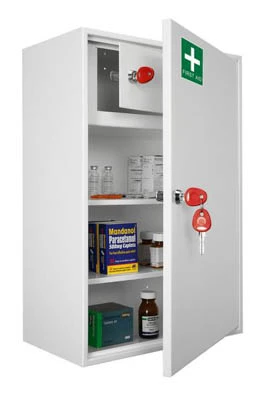
NHS HTM storage requirements: Healthcare buildings must protect patients, visitors, and staff. Good infection control does not start in theatres or wards. It begins in changing areas, storage rooms, drug cabinets, PPE stations, and even mail and parcel delivery systems.
The NHS uses Health Technical Memoranda (HTM) and Health Building Notes (HBN) to guide compliant design and maintenance. These documents shape how storage systems must perform. They determine which materials are acceptable, how equipment must be placed, and how surfaces must be cleaned.
This article explains NHS HTM storage requirements in plain English. It then matches the rules with correct lockers, cabinets and PPE systems used in hospitals, GP surgeries, dental practices, and private medical centres. Finally, it highlights how postal lockers help reduce contamination risk inside healthcare buildings.
All guidance supports 2026 HTM expectations, core IPC (Infection Prevention and Control) standards, and building safety requirements.
🏥 NHS HTM storage requirements. Why Storage Matters to Infection Control
Infection spreads easily in changing rooms, utility rooms, reception areas and communal corridors. These areas handle:

- Dirty and clean PPE
- Clinical waste
- Contaminated garments
- Chemical cleaners
- Medicines
- Patient documentation
- Delivered parcels and mail
Uncontrolled storage causes surface contamination, spoilage, cross-contact, and security breaches.
📌 Storage supports four infection-control goals:
- Separation of clean and dirty zones
- Safe handling of PPE and medical supplies
- Surface hygiene and ease of cleaning
- Secure access with traceability when required
Storage products are therefore essential parts of infection-control planning. They are not accessories. They are compliance tools.
📚 Understanding NHS HTM Requirements: The Essentials
HTM and HBN documents cover safety, hygiene, and building design. The most relevant for storage and lockers include:
| Standard | Applies To | Main Relevance |
|---|---|---|
| HTM 01-05 | Dentistry | Cleaning of clinical surfaces, PPE, separation |
| HTM 03-01 | Ventilation | Airflow affecting storage placement |
| HTM 05-03 Part B | Fire safety | Corridor storage, combustibility |
| HTM 07-01 | Waste | Clinical waste storage requirements |
| HTM 63 | Fittings & furniture | Lockers, cupboards, worktops |
| IPC National Framework | All healthcare | PPE rules and contamination controls |
👉 Source: NHS England – Health Technical Memoranda Collection
These standards define:
- acceptable materials
- cleanability
- fire classification
- access controls
- layout expectations
🔎 NHS HTM storage requirements. Required Performance Characteristics
💧 Cleanable Surfaces
HTM demands smooth, non-porous, chemically resistant surfaces for clinical areas. Surfaces must withstand disinfectants, bleach, and peroxide-based sanitisers.
Powder-coated steel and treated polymer lockers meet these needs. Laminate and wood-based storage do not unless sealed and not used in clinical areas.
🚿 Wet & Humid Zones
- Showers
- Decontamination rooms
- Scrub areas
- Theatres
These areas need water-resistant storage, such as plastic lockers, antimicrobial steel, and corrosion-resistant benching.
🔥 Fire Requirements
Corridor storage must comply with HTM 05-03. Lockers may require:
- A1 or A2 fire-classification materials
- Reduced combustibility
- Smoke-control compliance
Wood, MFC and laminate are commonly not compliant in corridors.
🔐 Secure Access
Drug storage, PPE, and hygienic garments require locked storage with access control. Where audits are needed, digital locks with traceability are recommended.
👚 Staff Lockers in NHS & Healthcare Facilities
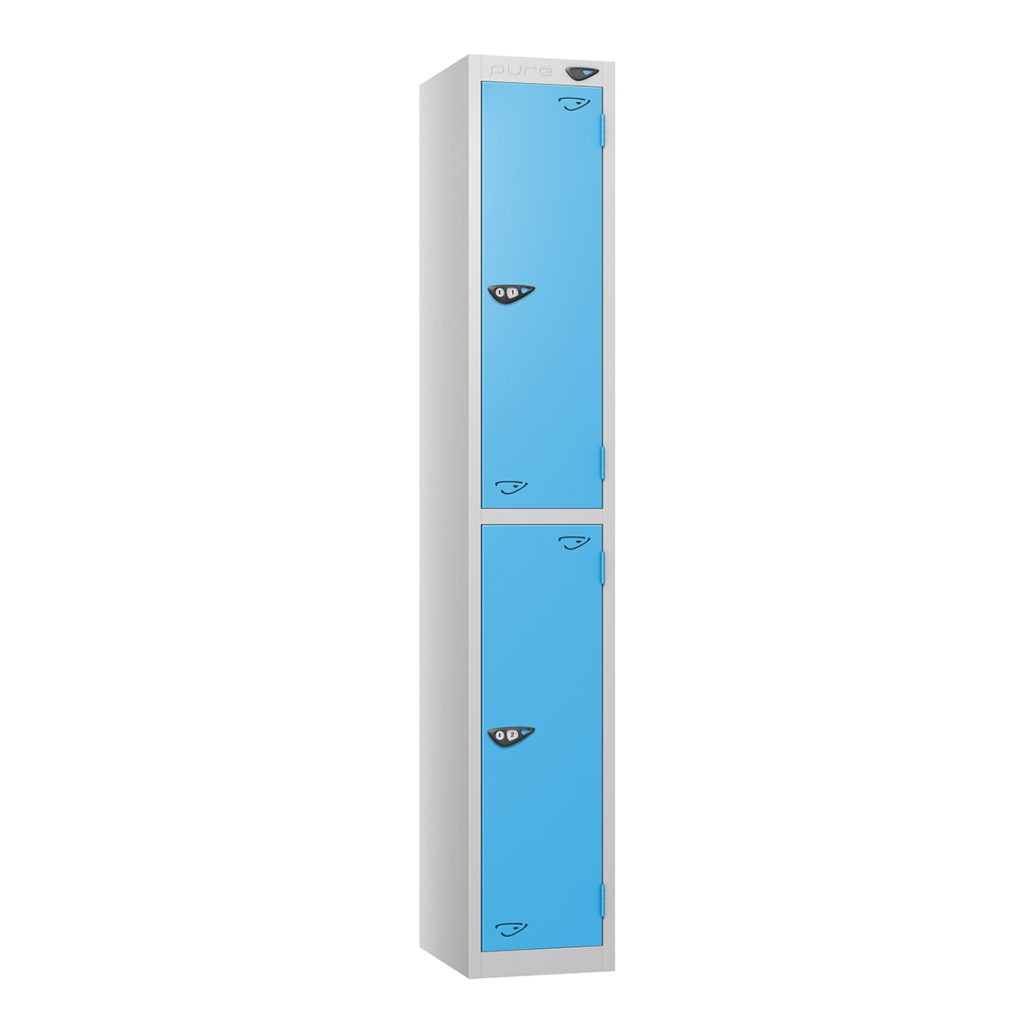
🚻 Required Locker Locations
- Theatre teams
- Ward staff
- Dental teams
- Cleaning operatives
- Radiology & diagnostic workers
- Pharmacy staff
HTM requires separation of clean and contaminated garments. Lockers must:
- Separate used and clean clothes
- Be clearly labelled
- Resist contamination
- Support frequent cleaning
Recommended Link: Staff Lockers
🧪 PPE Storage Systems (Clean vs Dirty Separation)
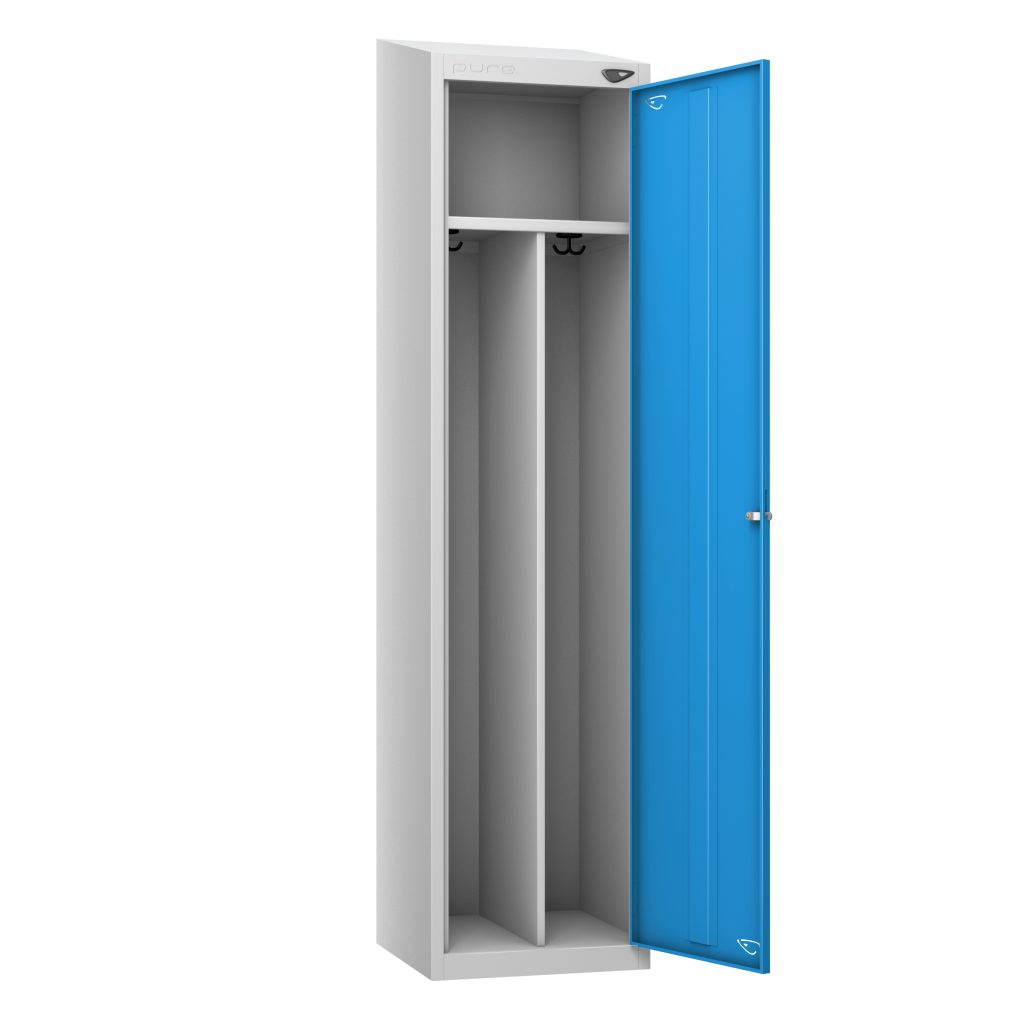
PPE must be kept sterile, dispensed cleanly, and disposed of safely to prevent contamination.
❌ Common Failures
- PPE stored on exposed shelving
- Storage near clinical waste
- PPE next to splash zones at sinks
- Clean and dirty PPE mixed in lockers
✔ Compliant PPE Storage Solutions
| Task | Storage Requirement |
|---|---|
| Clean PPE distribution | PPE cabinets with smooth interiors |
| Used PPE containment | Separate containment bins |
| Dirty locker storage | Dual-compartment lockers |
| Disposable PPE | Digital access cabinets |
Recommended Link: PPE Cabinets
🧴 Medical Cabinets, Drug Storage & Audit Trails
Pharmacies, treatment rooms and theatres require secure, lockable cabinets with audit control to protect medicines and controlled items.
🔐 Digital Lock Benefits
- PIN and card access
- User tracking and logging
- Time-limited staff codes
- Supports governance and GDPR
Recommended Link: Medical Storage Cabinets
♻ Chemical & Clinical Waste Storage (HTM 07-01)
| Requirement | Best Storage |
|---|---|
| Hazardous chemicals | COSHH cabinets |
| Acid cleaners | Acid & alkali cabinets |
| Toxic liquids | Steel cabinets with spill trays |
| Contaminated PPE | Ventilated units or bins |
Recommended Link: Chemical Storage
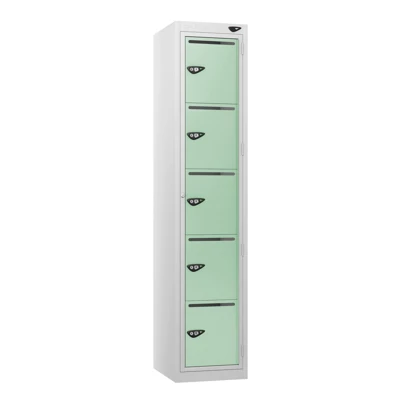
📬 Postal Lockers & Mail Handling in Healthcare
Post and parcels enter healthcare buildings multiple times a day, passing through many hands. This increases surface-contact risk and reduces traceability.
While HTM does not directly regulate postal lockers, IPC logic supports contact-reduced delivery zones to prevent contamination. Postal lockers limit handling, improve security, and reduce movement of items across wards.
Use case: appointment letters, prescriptions, lab paperwork, medical supplies and internal mail can be stored securely for collection.
Recommended Link: Postal Lockers for Healthcare (Examples)
🔐 Why Digital Locks Support HTM Compliance
- Reduce key handling contamination
- Improve access control
- Remove cost of lost keys
- Enable staff audit trails
- Support GDPR responsibilities
Recommended Link: Digital Locks for Healthcare
🔥 Fire-Rated Storage in NHS Corridors (HTM 05-03)
Corridors are main escape routes. Storage placed here must prevent flame spread and reduce smoke toxicity.
- Fire-rated steel cabinets
- Powder-coated metal lockers
- Antibacterial steel options
Recommended Link: Fire-Rated Storage
🧼 Benching, Hooks & Hygiene Furniture
| Requirement | Furniture Type |
|---|---|
| Wet areas | Plastic benches |
| Dry areas | Antibacterial steel benches |
| High throughput | Double-sided seating |
| Infection-control | No exposed wood or laminate |
Recommended Link: Benching for Healthcare
📋 NHS Storage Procurement Checklist
| Area | Storage Type | Material | Access | Fire Requirement |
|---|---|---|---|---|
| Staff changing | Lockers | Steel / Plastic | Key / Digital | Corridor only |
| Theatres | PPE cabinets | Steel / Plastic | Digital | A1/A2 |
| Pharmacy | Drug cabinets | Steel | Audit | Yes |
| Cleaning rooms | COSHH cabinets | Steel | Key | No corridor |
| Admin & reception | Postal lockers | Steel | Digital | Low risk |
| Dental | HTM cabinets | Steel | Lockable | Yes |
| Lab & pathology | Specimen storage | Steel | Audit | Yes |
External References:
🔚 Conclusion
Compliance begins with cleanable surfaces, correct materials, smart layouts, and secure access. NHS HTM storage requirements protect patients, staff, and contractors. The correct lockers, cabinets and PPE systems improve infection control, support audits, and reduce risk across the building.
Postal lockers support hygiene too, reducing surface handling in administration areas. When combined with digital locks, antibacterial steel, plastic wet-spec units, COSHH cabinets and secure drug storage, healthcare facilities become cleaner and safer.
Correct storage is not an upgrade. It is part of patient safety.
Need help with NHS storage? Email: support@totallocker.co.uk Website: Total Locker Service
Discover more from Blog Total Locker Service
Subscribe to get the latest posts sent to your email.