Locker Storage Systems Explained: Types, Uses and Best Environments
April 28, 2026
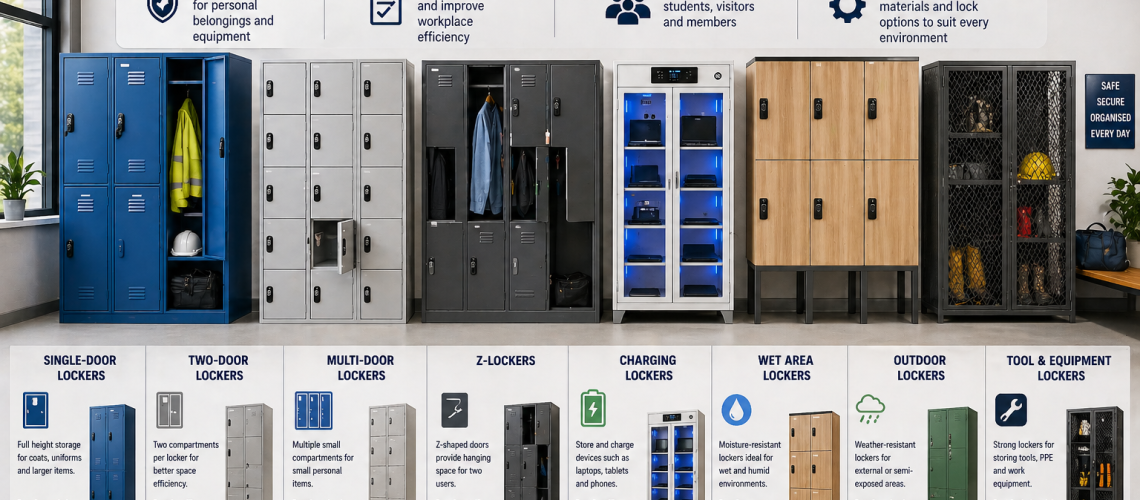
Locker storage systems provide secure, organised storage for personal belongings, uniforms, tools, equipment, devices and workplace items. The right locker system depends on the users, environment, storage purpose and level of security required.
This guide explains the main types of locker storage systems, where they are used and how to choose the best option for workplaces, schools, leisure centres, healthcare settings and industrial sites.
What is a locker storage system?
A locker storage system is a planned set of lockers used to store items securely and consistently. It may be used by staff, pupils, visitors, contractors, gym members or operational teams.
A good locker system is more than a row of compartments. It should match the items being stored, the number of users, the available space and the way people access the area.
What are locker storage systems used for?
Locker systems are used wherever items need to be kept separate, protected and easy to access. They are common in both public and staff-only environments.
- Staff belongings, bags and coats
- Uniforms and workwear
- PPE and safety equipment
- School bags, books and personal items
- Gym and leisure centre belongings
- Laptops, tablets and phones
- Tools and small equipment
- Visitor or contractor storage
Main types of locker storage systems
Different locker systems are designed for different uses. Choosing the right type helps improve security, space use and day-to-day management.
Single-door lockers
Single-door lockers provide full-height storage for one user. They are suitable for coats, uniforms, bags, workwear and larger personal belongings.
They are commonly used in workplaces, changing rooms, factories, warehouses and staff areas where users need enough vertical space for clothing or equipment.
Two-door lockers
Two-door lockers divide the locker height into two compartments. They provide more user spaces than single-door lockers while still allowing room for bags and smaller items.
They work well in offices, schools, leisure facilities and shared staff areas where space efficiency matters.
Multi-door lockers
Multi-door lockers include three, four, five, six or more compartments within each locker unit. They are useful when users only need to store small items.
They are often used for phones, wallets, small bags, visitor belongings, temporary storage and high-volume shared areas.
Z-lockers
Z-lockers provide hanging space for two users within one vertical locker bay. Each user has a shaped compartment with space for clothing and personal belongings.
They are useful where staff need hanging space but floor space is limited.
Charging lockers
Charging lockers store and charge devices such as laptops, tablets, phones and radios. They are designed for workplaces, schools and shared environments where devices need to be protected and kept ready for use.
They are suitable for offices, education settings, warehouses, healthcare sites and visitor areas.
Wet area lockers
Wet area lockers are designed for humid or damp environments such as gyms, swimming pools, leisure centres and changing rooms. Materials are chosen to resist moisture and corrosion.
They are usually made from plastic, laminate or other moisture-resistant materials rather than standard steel.
Outdoor lockers
Outdoor lockers are designed for external or semi-exposed locations. They need stronger resistance to weather, corrosion and environmental wear.
They are useful for schools, transport sites, leisure facilities, construction settings and external staff areas.
Tool and equipment lockers
Tool and equipment lockers are used to store workplace equipment, maintenance tools, PPE and operational items. They may need stronger construction or internal fittings depending on the items stored.
They are common in factories, warehouses, workshops, facilities teams and industrial sites.
Locker materials
Locker material affects durability, appearance, cleaning and suitability for the environment. The best choice depends on where the lockers will be used.
| Material | Best for | Key benefit |
|---|---|---|
| Steel lockers | Offices, schools, staff rooms and dry workplaces | Strong, cost-effective and widely available |
| Laminate lockers | Changing rooms, leisure sites and premium interiors | Durable, attractive and suitable for higher-use areas |
| Plastic lockers | Wet areas, pools, gyms and outdoor use | Moisture-resistant and corrosion-resistant |
| Mesh lockers | Industrial sites, drying areas and visibility-led storage | Ventilation and easy content visibility |
Lock options for locker storage systems
The lock should match how the locker is used. Assigned lockers, shared lockers and public-use lockers often need different locking methods.
- Key locks: suitable for assigned staff or pupil lockers.
- Hasp locks: allow users to bring their own padlock.
- Mechanical combination locks: useful where keys are inconvenient.
- Digital locks: suitable for controlled shared access.
- RFID locks: useful in gyms, offices, leisure centres and managed facilities.
- Coin return locks: common in leisure and public changing areas.
Best environments for locker storage systems
Locker storage systems are used across many sectors. The best configuration depends on the working environment and user behaviour.
Workplaces and offices
Workplaces use lockers for staff belongings, hybrid working, uniforms, devices and visitor storage. Offices may need compact lockers or smart locker systems for flexible users.
Schools and education
Schools use lockers for books, bags, PE kits, phones and personal items. Durability, simple locks and clear numbering are important in education settings.
Gyms and leisure centres
Leisure centres need lockers that can cope with frequent users, damp conditions and shared-use locking. Wet area materials and coin return, digital or RFID locks are often suitable.
Industrial sites and warehouses
Industrial sites often need lockers for PPE, workwear, tools and personal belongings. Strong construction, ventilation and practical placement are important.
Healthcare and care settings
Healthcare environments use lockers for staff belongings, uniforms and controlled staff areas. Easy cleaning, controlled access and clear separation from clinical storage may be important.
Locker system comparison table
| Locker type | Best use | Best environment |
|---|---|---|
| Single-door lockers | Coats, bags, uniforms and larger items | Workplaces, warehouses and changing rooms |
| Two-door lockers | Personal belongings with better space efficiency | Offices, schools and staff areas |
| Multi-door lockers | Small personal items and temporary storage | Visitor areas, schools and shared workplaces |
| Z-lockers | Hanging space for two users per bay | Staff changing rooms and workplaces with limited space |
| Charging lockers | Phones, tablets, laptops and devices | Offices, schools, warehouses and healthcare sites |
| Wet area lockers | Belongings in damp or humid areas | Gyms, pools and leisure centres |
| Outdoor lockers | External or semi-exposed storage | Schools, worksites and outdoor facilities |
| Tool lockers | Tools, PPE and equipment | Factories, workshops and maintenance areas |
How to choose a locker storage system
Start by defining what the lockers need to do. The best system should fit the items, users, space and risk level.
- Identify what users need to store
- Decide whether lockers are assigned or shared
- Choose the right compartment size
- Match the material to the environment
- Select a lock that suits the user pattern
- Allow enough space for doors and walkways
- Plan spare capacity for future users
- Use numbering or labels for easier management
Common mistakes when choosing locker systems
Many locker problems come from choosing a product before checking the environment and user needs.
- Choosing lockers that are too small for bags or workwear
- Using standard steel lockers in wet areas
- Choosing keyed locks for busy shared-use environments
- Not allowing enough space for doors to open
- Underestimating future capacity
- Installing lockers too far from where users need them
- Using the same locker type for every department
A good locker system should feel natural to use. If users avoid it, the issue is usually the specification, location or lock choice.
Summary
Locker storage systems help organisations protect belongings, organise shared spaces and improve day-to-day efficiency. The main types include single-door lockers, multi-door lockers, Z-lockers, charging lockers, wet area lockers, outdoor lockers and tool lockers.
The best locker system depends on the environment, users, stored items and level of control required. A workplace, school, leisure centre or industrial site will get better results by matching locker type, material, lock and placement to real use.
Locker Storage Systems FAQs
What are locker storage systems?
Locker storage systems are organised units of lockers used to store personal belongings, equipment, uniforms or devices securely. They help keep items separate, protected and easy to manage.
What types of locker storage systems are available?
Common types include single-door lockers, multi-door lockers, Z-lockers, charging lockers, wet area lockers, outdoor lockers and tool lockers. Each type is designed for different items and environments.
Which locker type is best for workplaces?
Single-door lockers are suitable for coats and uniforms, while multi-door lockers are better for smaller personal items. Charging lockers are useful where devices need to be stored and powered.
Where are locker storage systems used?
Locker systems are used in workplaces, offices, schools, gyms, leisure centres, warehouses, healthcare sites and industrial environments.
What materials are lockers made from?
Lockers are typically made from steel, laminate, plastic or mesh. Steel is common in dry environments, while plastic or laminate lockers are better for wet or high-use areas.
What lock options are available for lockers?
Lock options include key locks, padlock hasps, mechanical combination locks, digital locks, RFID locks and coin return locks. The best option depends on whether lockers are assigned or shared.
Are lockers suitable for shared environments?
Yes. Lockers can be used in shared environments with the right locking system, such as combination, digital or RFID locks, which allow multiple users to access lockers securely.
Do locker systems need to be fixed to the wall?
In many cases, lockers should be fixed for safety and stability, especially in workplaces or public areas. Fixing requirements depend on the locker type and installation environment.
How do I choose the right locker storage system?
Consider what needs to be stored, how many users there are, whether lockers are assigned or shared, the environment and the level of security required.
Can locker storage systems be expanded later?
Most locker systems can be expanded by adding more units or reconfiguring layouts. Planning spare capacity in advance helps avoid disruption as needs grow.
Discover more from Blog Total Locker Service
Subscribe to get the latest posts sent to your email.