Smart Lockers in 2026: Are They Worth the Investment?
February 18, 2026

Smart lockers in the UK are no longer experimental technology. In 2026, they are increasingly specified in hybrid workplaces, universities and commercial environments. However, the key question remains: are smart lockers worth the investment?
While traditional cam and digital combination locks remain common, smart locker systems offer centralised control, access tracking and flexible allocation. This article examines RFID, keypad and app-based systems, hybrid working impact, lifecycle modelling, administrative savings and security considerations.
For a broader overview of locker types and materials, see our complete lockers guide.
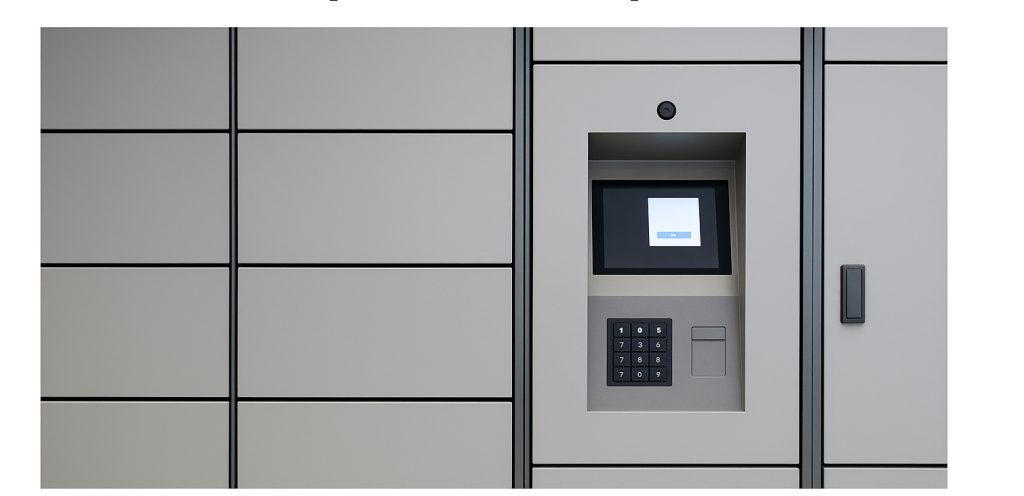
What Are Smart Lockers?
Smart lockers integrate electronic locking mechanisms with centralised management systems. Unlike mechanical cam locks, smart lockers can be controlled, monitored and reconfigured remotely.
Common features include:
- Central administration dashboards
- User access tracking
- Temporary or rotating allocation
- Audit trails
- Integration with building access systems
RFID vs Keypad vs App Systems
RFID Locker Systems
RFID lockers operate using access cards or fobs. Users tap their credential to lock and unlock the unit.
Advantages:
- Fast user access
- Integration with existing building cards
- Reduced forgotten code issues
Limitations:
- Card replacement costs
- Dependency on access control infrastructure
Keypad Digital Systems
Keypad systems allow users to enter a PIN code. These may be standalone or connected to a central system.
Advantages:
- No physical credentials required
- Lower infrastructure complexity
Limitations:
- Users forgetting codes
- Occasional reset requirements
App-Based Smart Lockers
App-based systems allow users to reserve and unlock lockers using mobile devices.
Advantages:
- Flexible booking systems
- Ideal for hybrid workplaces
- Reduced hardware tokens
Limitations:
- Dependence on mobile connectivity
- Software subscription costs
The Hybrid Working Impact
Hybrid working has changed locker demand patterns. In many offices, staff are no longer permanently assigned desks or lockers. Instead, flexible allocation is required.
Smart lockers enable:
- Daily locker booking
- Time-limited access
- Automated release of unused lockers
- Data insights into utilisation
This allows organisations to reduce the total number of lockers required while maintaining access flexibility.
Lifecycle Modelling: Are Smart Lockers Cost-Effective?
Smart lockers typically involve higher upfront costs than mechanical alternatives. However, lifecycle modelling often changes the financial perspective.
Consider a 10-year horizon:
- Reduced lost key replacement costs
- Lower administrative time
- Improved utilisation rates
- Reduced need for physical master key systems
In large organisations, administrative savings alone can offset part of the technology investment.
Admin Reduction Economics
Traditional lockers generate hidden administrative burden:
- Key issuing
- Key replacement
- Master key management
- Lock changes after staff turnover
Smart lockers centralise control. Access rights can be adjusted digitally without replacing hardware. In environments with high staff turnover, this significantly reduces management time.
Security Considerations
Smart lockers improve audit capability. Access logs provide traceability in the event of disputes or incidents.
However, digital systems introduce cybersecurity considerations. Organisations must ensure:
- Secure network configuration
- Encrypted communication
- Data protection compliance
- Reliable software updates
Security planning must therefore include both physical and digital risk assessment.
When Are Smart Lockers Worth It?
- Hybrid office environments
- Universities with rotating users
- High-security workplaces
- Large estates with high admin overhead
In small workplaces with permanently assigned lockers, mechanical systems may remain cost-effective.
Future Outlook for Smart Lockers UK
As workplace technology evolves, integration between access control, booking systems and building management platforms will likely increase. Smart lockers are positioned to become part of broader smart building ecosystems.
For organisations planning long-term refurbishment projects, considering smart locker systems now may future-proof infrastructure.
Final Thoughts
Smart lockers in the UK represent a shift from static storage to managed access systems. While initial costs are higher, administrative savings, hybrid flexibility and improved security can justify the investment in appropriate environments.
As with all locker decisions, the key is lifecycle modelling rather than focusing solely on upfront price. In the right setting, smart lockers are not just a technological upgrade. They are an operational efficiency tool.
Discover more from Blog Total Locker Service
Subscribe to get the latest posts sent to your email.