School Locker Key Management: Reducing Loss and Admin Costs
February 19, 2026
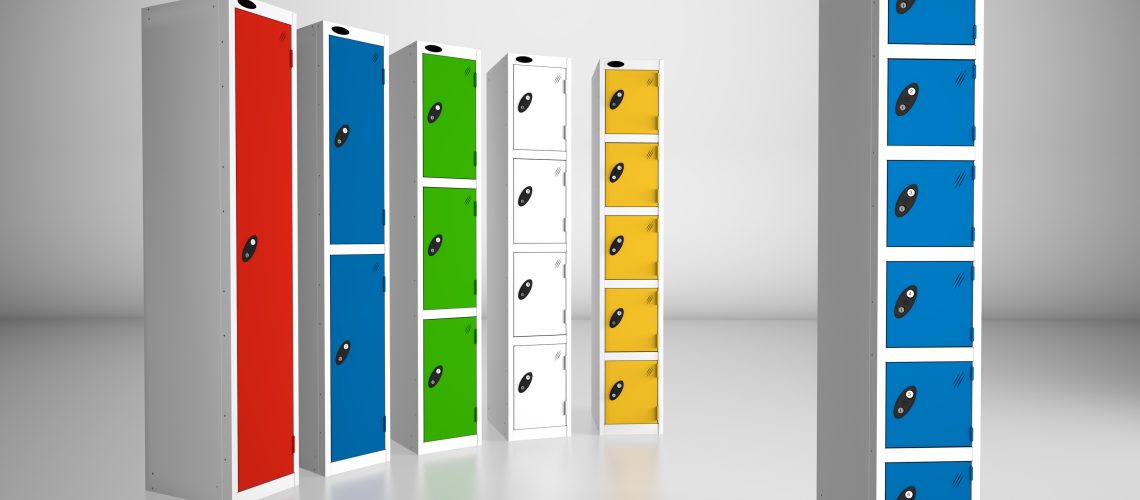
School locker keys are one of the most frequently replaced items in secondary education environments. Every academic year, keys are lost, swapped, damaged or taken home. While each incident seems minor, the cumulative cost to estates teams and school administrators is significant.
Effective school locker key management reduces disruption, protects budgets and supports safeguarding responsibilities. This guide explains how to implement structured tracking systems, issuing procedures, spare key planning and bulk replacement strategies that reduce long-term operational cost.

Why Schools Experience High Locker Key Loss
Schools combine several risk factors:
- Large student populations
- Daily repeated locker access
- Young users
- Academic year transitions
- Frequent timetable changes
Students forget keys at home. Keys are swapped between friends. Some are damaged through misuse. Others disappear at the end of term.
Without a structured system, lost keys quickly turn into lock replacements, increasing maintenance spend unnecessarily.
Key Tracking Systems: The Foundation of Control
The single most important improvement a school can make is implementing a basic key tracking system.
Minimum Tracking Data Should Include:
- Locker number
- Key number (stamped on key)
- Student name
- Year group
- Date issued
- Deposit status (if applicable)
With this information recorded, estates teams can order replacement locker keys quickly without removing the lock or replacing hardware.
Without tracking, schools are forced to replace locks because key codes are unknown. This multiplies cost.

Issuing Procedures That Reduce Annual Loss
Clear issuing procedures dramatically reduce locker key replacement rates.
Recommended Issuing Process
- Assign locker number
- Record key number
- Issue against signed agreement
- Collect refundable deposit
- Explain responsibility clearly
Deposit-based systems reduce casual loss. Even a modest refundable amount increases accountability.
Schools that introduce structured issuing procedures often reduce key loss by 20–40% in the first year.
Spare Key Planning: Reducing Emergency Disruption
Waiting for emergency replacements creates disruption. Instead, schools should maintain spare stock.
Recommended Spare Key Policy
- Hold 10–15% spare keys relative to locker count
- Maintain at least two master keys
- Keep spare cam locks available
If your school operates 500 lockers, holding 50–75 spare keys prevents operational bottlenecks.
Replacement keys can be ordered quickly here:
Order replacement locker keys
Bulk Replacement Strategy: Annual Audit Approach
Rather than reacting weekly, implement an annual review cycle.
- Audit unreturned keys at end of term
- Identify repeated loss patterns
- Replace damaged locks in batches
- Reset numbering where needed
Bulk replacement reduces unit cost and labour time.
When Should a School Replace the Entire Lock?
Lock replacement is necessary when:
- The key number is unreadable
- The lock has been damaged
- The master key has been compromised
- Safeguarding requirements demand re-securing
However, most lost key incidents only require a correctly cut replacement key. Replacing locks unnecessarily increases budget pressure.
Safeguarding and Compliance Considerations
Locker security supports safeguarding frameworks. Students often store:
- Phones
- Medication
- Personal belongings
- Electronic devices
Uncontrolled key circulation can create reputational and safeguarding risk. Controlled master key storage and logging is essential.
Choosing the Right School Locker System
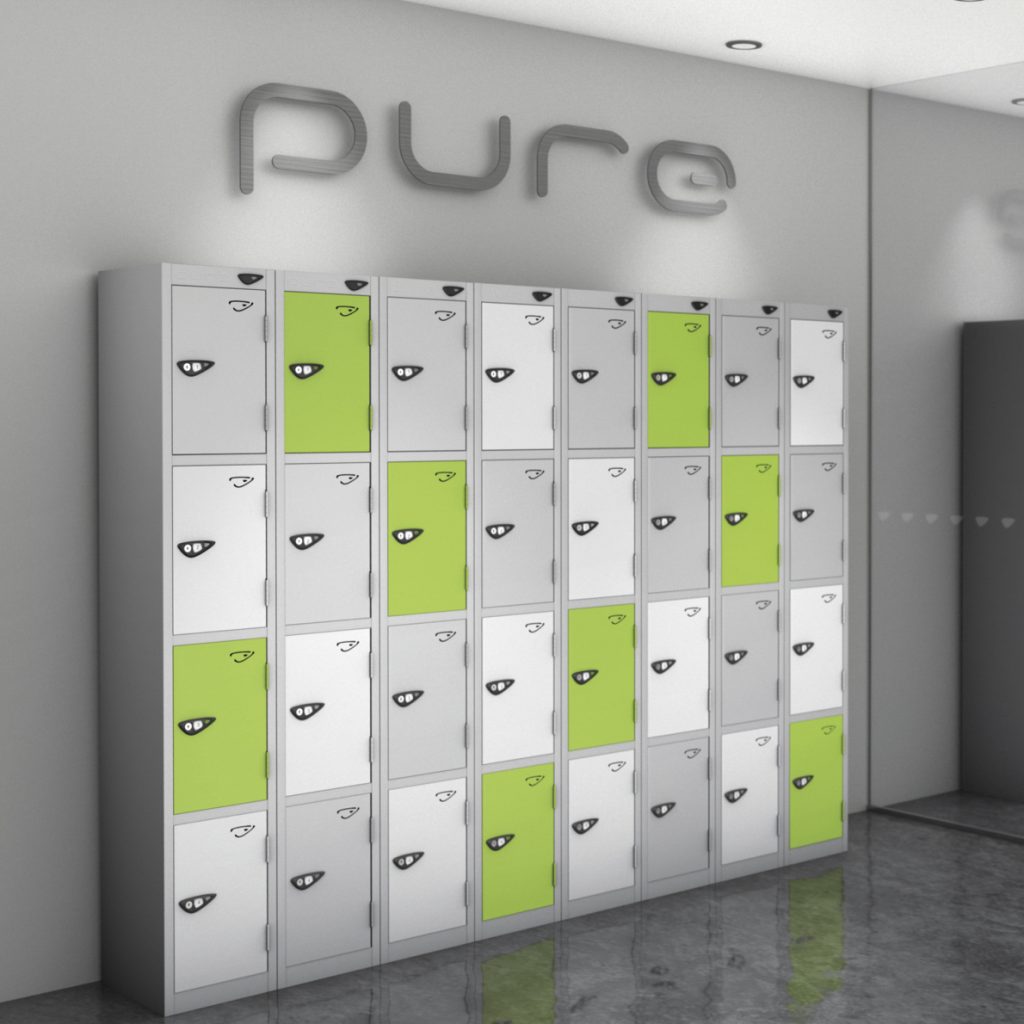
Schools should match locker type to student age and site security level.
Explore complete locker systems here:
School locker solutions
The Hidden Cost of Poor Locker Key Management
If a site manager spends 15 minutes resolving each lost key incident and four keys are lost weekly, that equals over 50 hours annually. This is more than one full working week spent on preventable issues.
Structured control reduces both direct replacement cost and hidden administrative time.
Practical Action Plan for School Estates Teams
- Implement a key register immediately
- Introduce deposit-backed issuing
- Hold spare key stock
- Audit annually
- Replace keys before replacing locks
Small procedural changes deliver measurable annual savings.
Final Thoughts
School locker keys are small components with significant operational impact. High student turnover makes loss predictable. However, with structured management, that loss becomes controllable.
Maintain records. Hold spare stock. Replace keys strategically. Review systems annually. These actions reduce cost, protect safeguarding standards and improve operational efficiency.
For fast, accurate replacement support, visit:
Locker key replacement services
Discover more from Blog Total Locker Service
Subscribe to get the latest posts sent to your email.