Purchasing The Perfect Safe
November 16, 2023
Choosing the right safe starts with a simple question: what are you trying to protect, and from what risk?
A safe intended to protect cash and valuables from theft is not necessarily the same product as a fire safe for paper documents or a data safe for heat-sensitive digital media. Size, security rating, fire protection, lock type, fixing method and intended contents should all be considered before choosing a model.
This guide explains the main decisions involved in choosing a safe for a UK home, office or business. For current products, browse our safes and secure cabinets.
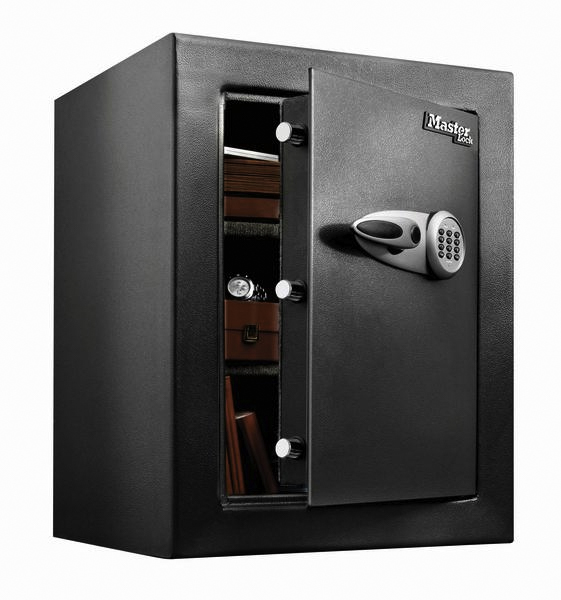
Start with What You Need to Protect
The contents of the safe should determine the type of protection you need.
| Contents | Main consideration |
|---|---|
| Cash and valuables | Burglary resistance and appropriate security rating |
| Paper documents | Fire protection suitable for paper |
| USB drives, hard drives, SSDs and backup media | Lower internal temperatures provided by a suitable data safe |
| Keys | A key cabinet or dedicated key-management solution may be more appropriate |
| General confidential items | Security, capacity and access control |
Do not assume that one safe provides the same level of protection against theft, fire and heat damage. These are separate performance requirements.
Cash and Security Safes
Where the main concern is theft, look first at the safe’s security rating rather than its appearance, weight or door thickness alone.
Cash ratings are commonly used to indicate the level of cash or valuables a safe is designed to protect, subject to the insurer’s requirements and correct installation.
- Check the required cash or valuables rating.
- Confirm whether the rating depends on professional anchoring.
- Consider the value of the contents.
- Check the lock type.
- Allow sufficient capacity for future use.
If the safe is primarily for business cash, valuables or secure storage, choose around the required security level rather than selecting a fire safe simply because it looks substantial.
Fire Safes for Paper Documents
Fire safes are designed to limit the temperature inside the safe for a specified period under test conditions.
For paper documents, check the actual fire rating and test standard rather than relying on general descriptions such as “fireproof”.
- Check the fire-resistance duration.
- Check what material the rating is intended to protect.
- Confirm the internal dimensions.
- Consider whether document folders or files will fit.
- Check the safe’s security rating separately if theft protection also matters.
For detailed guidance, see our What Fire Safe Do I Need for My Business? guide.
Data Safes for Digital Media
Digital storage media can be damaged at temperatures well below those that destroy paper. This means a standard paper fire safe should not automatically be treated as suitable for USB drives, external hard drives, SSDs or backup tapes.
A data safe is designed specifically to maintain a lower internal temperature for heat-sensitive media.
- Identify the media being stored.
- Check the data-safe fire rating.
- Allow space for cases, drives or backup media.
- Consider how often the media needs to be accessed.
- Separate live systems from recovery media where appropriate.
For the dedicated subject, see our Data Safes UK guide.
Fire Safe vs Data Safe vs Security Safe
| Safe type | Main purpose | Typical contents |
|---|---|---|
| Security safe | Theft protection | Cash, valuables and confidential items |
| Fire safe | Fire protection for paper | Documents, records and certificates |
| Data safe | Fire protection for heat-sensitive media | USB drives, hard drives, SSDs and backup media |
Some products provide more than one type of protection, but the individual ratings should always be checked rather than assumed.
For a full comparison, see our Fire Safe vs Data Safe vs Filing Cabinet guide.
Choose the Right Safe Size
Safe size should be based on the usable internal capacity, not just the external dimensions.
- List what needs to be stored now.
- Allow for future additions.
- Check internal height, width and depth.
- Allow for shelves and internal fittings.
- Make sure document folders, boxes or media cases physically fit.
A safe that is significantly larger than required can take up unnecessary space, while an undersized safe can quickly become difficult to use.
For fire-safe sizing, see our Fire Safe Sizes Explained guide.
Check the Security Rating
For theft protection, check the safe’s stated security rating and any relevant certification rather than judging security by weight or steel thickness alone.
The value of the contents and the requirements of your insurer may influence the minimum rating required.
- Confirm the value of the contents.
- Check the safe’s stated cash or valuables rating.
- Check whether anchoring is required.
- Confirm insurer requirements where relevant.
- Do not assume every safe has an independently tested burglary rating.
Safe Lock Types
Lock type affects convenience and management, but it does not replace the need for an appropriate safe body and security rating.
| Lock type | Main advantage | Main consideration |
|---|---|---|
| Key lock | Simple operation | Keys must be controlled and stored securely |
| Mechanical combination | No batteries required | Users need to manage the combination |
| Electronic keypad | Convenient code-based access | Batteries and authorised code management are required |
Available lock types vary between safe models, so choose the safe first around its protection requirements and then compare suitable locking options.
Safe Location and Installation
A suitable safe can still perform poorly if it is installed incorrectly.
- Check the floor or wall construction.
- Confirm whether anchoring is required.
- Make sure the door can open fully.
- Allow enough access to use shelves or drawers.
- Consider delivery access before ordering a heavy safe.
- Check stairs, lifts, doorways and floor loading where relevant.
Many security ratings assume that the safe is installed in accordance with the manufacturer’s instructions.
Safe Weight and Delivery
Safe weight can become a practical issue surprisingly quickly.
Before ordering a large safe, consider:
- vehicle access;
- delivery-point restrictions;
- stairs;
- lifts;
- door widths;
- floor loading;
- the final installation position; and
- whether specialist handling is required.
Confirm delivery and positioning requirements before placing the order rather than discovering access problems when the safe arrives.
Allow for Future Storage
Safes often remain in use for many years, while the quantity of documents, cash, media or valuables stored inside can increase.
Allowing some spare capacity can therefore be sensible, particularly for business records or backup media. However, this should be balanced against the extra size, weight and cost of a larger safe.
Do You Need a Safe or a Secure Cabinet?
Not every storage requirement needs a safe.
A lockable cabinet may be sufficient where the primary requirement is controlled access rather than certified burglary or fire protection.
- Use a safe where rated security or fire protection is required.
- Use a secure cabinet where controlled access is the main objective.
- Use a key cabinet for organised key storage.
- Use a fire-rated filing cabinet where large quantities of paper records need appropriate fire protection.
Common Safe Buying Mistakes
- Buying on external size without checking usable internal dimensions.
- Assuming every fire safe is suitable for digital media.
- Choosing a fire rating without checking what it protects.
- Ignoring the security rating when theft is the main risk.
- Buying a safe that cannot be delivered to its intended position.
- Ignoring anchoring requirements.
- Choosing a complicated lock when a simpler one would work.
- Buying only for current capacity with no allowance for growth.
- Assuming a heavy safe is automatically highly secure.
- Using marketing terms such as “fireproof” without checking the actual test rating.
Safe Buying Checklist
- What will be stored?
- Is theft, fire or heat damage the main risk?
- What security rating is required?
- What fire rating is required?
- Is the safe suitable for paper or digital media?
- What internal dimensions are required?
- How much future capacity is needed?
- Which lock type is suitable?
- Where will the safe be installed?
- Can the safe be anchored correctly?
- Can it be delivered to the installation point?
- Do insurer requirements apply?
Safe Buying FAQs
What type of safe should I buy?
The correct safe depends on what you are protecting and the main risk. Cash and valuables normally require security protection, paper documents may require a fire safe, and digital storage media may require a dedicated data safe.
How do I choose the right safe size?
Measure the items that need to be stored and compare them with the safe’s usable internal dimensions. Allow some additional capacity where future storage is likely to increase.
Is a fire safe suitable for USB drives and hard drives?
Not automatically. Digital media can be damaged at lower temperatures than paper, so heat-sensitive media may require a data safe specifically rated for that type of storage.
Should a safe be bolted down?
Many security safes are designed to be anchored in accordance with the manufacturer’s instructions, and the stated security rating may depend on correct installation. Check the requirements for the specific model.
Is a heavier safe more secure?
Not necessarily. Weight can make removal more difficult, but security should be judged using the safe’s stated rating, certification and installation requirements rather than weight alone.
What is the difference between a safe and a secure cabinet?
A safe may provide tested burglary or fire protection depending on the model, while a secure cabinet is generally intended to restrict access without necessarily providing the same rated level of protection.
Choose the Safe Around the Risk
The best safe is not simply the largest, heaviest or most expensive model. It is the one that provides the right type of protection for the contents, fits the available space and can be installed correctly.
Start by identifying whether theft, fire or heat damage is the main concern, then compare ratings, capacity, lock type and installation requirements.
Browse our safes and secure cabinets or use our specialist guides for fire safes and data safes.
Discover more from Blog Total Locker Service
Subscribe to get the latest posts sent to your email.