Blog Total Locker Service

Blog storage solutions

Best Lock Options for Workplace Lockers

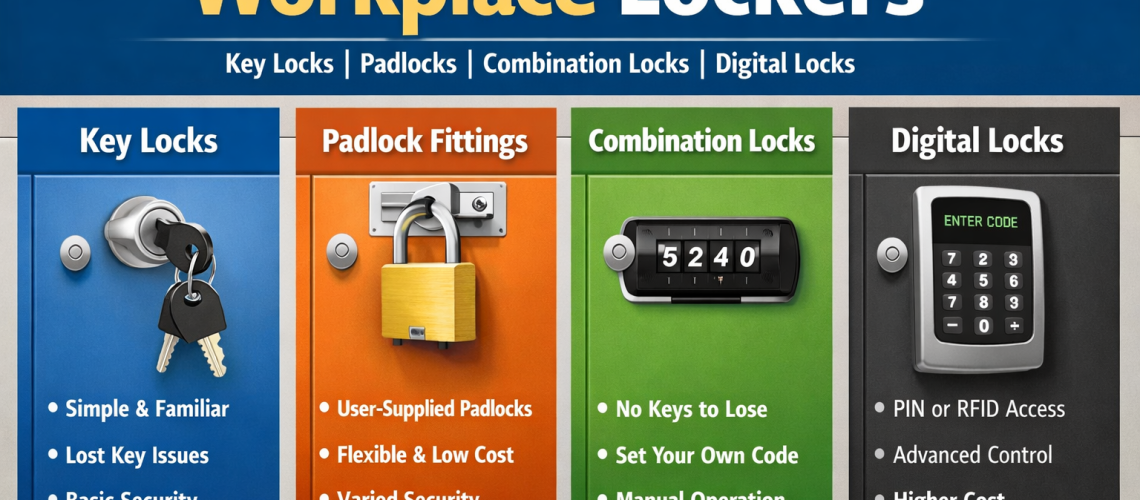
Best Lock Options for Workplace Lockers infographic showing four locker lock types: key locks, padlock fittings, combination locks and digital locks, with notes on security, convenience and cost.

The right lock can make a big difference to how workplace lockers perform in daily use. It affects convenience, security, staff experience and the amount of administration a site has to manage. A locker bank may look ideal on paper, Read more…


Workplace Locker Sizes and Layouts for Staff Areas

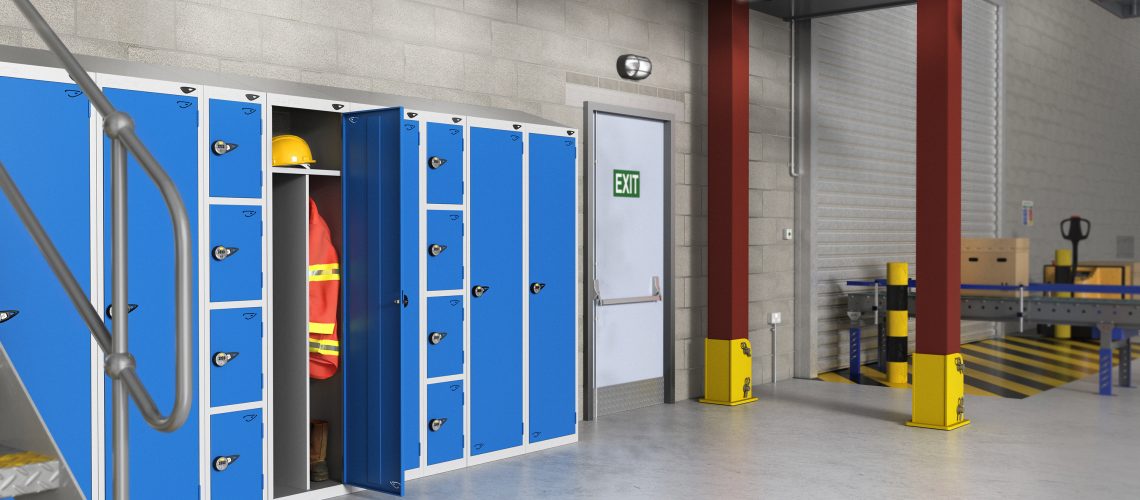
Workplace locker planning is not only about choosing a product range. Size and layout have a direct effect on how well the storage works in practice. A locker that looks suitable on paper can quickly become awkward if it is too small for the items staff actually carry, or if the room layout makes access slow and frustrating.


Workplace Lockers for Offices, Factories and Warehouses: What Changes?

Modern locker systems installed in UK facility corridor showing sustainable design and long-term durability

Workplace lockers are used across many sectors, but the right solution can look very different from one site to another. An office may need compact, tidy personal storage for hybrid staff. A factory may need stronger locker banks with room for uniforms, boots or protective clothing. A warehouse may need robust staff storage that stands up to daily use in busy welfare areas.


Workplace Lockers UK: Staff Storage, Security, Compliance and Layout Guide

selection of workplace lockers

Workplace lockers do more than store coats and bags. In many settings, they help organise staff areas, support security, improve hygiene and make changing rooms or shared spaces easier to manage. The right locker system can also reduce clutter, protect employee belongings and create a more professional working environment.


How Care Homes Can Work with Pharmacies and GPs to Improve Medicines Safety

improving medical safety

Safe medicines management depends on good teamwork. In a care home, staff handle medicines every day, but they do not work alone. Community pharmacies and GPs both play a key part in keeping residents safe, reducing errors and making sure treatment stays appropriate.


How to Review and Improve a Care Home Medicines Policy

Care home medicines policy

A care home medicines policy should do more than sit in a folder ready for inspection. It should guide daily practice, support staff decisions and help the service manage medicines safely and consistently. If the policy is outdated, unclear or disconnected from real working routines, it can quickly lose value. Reviewing and improving it helps turn policy from paperwork into something practical.


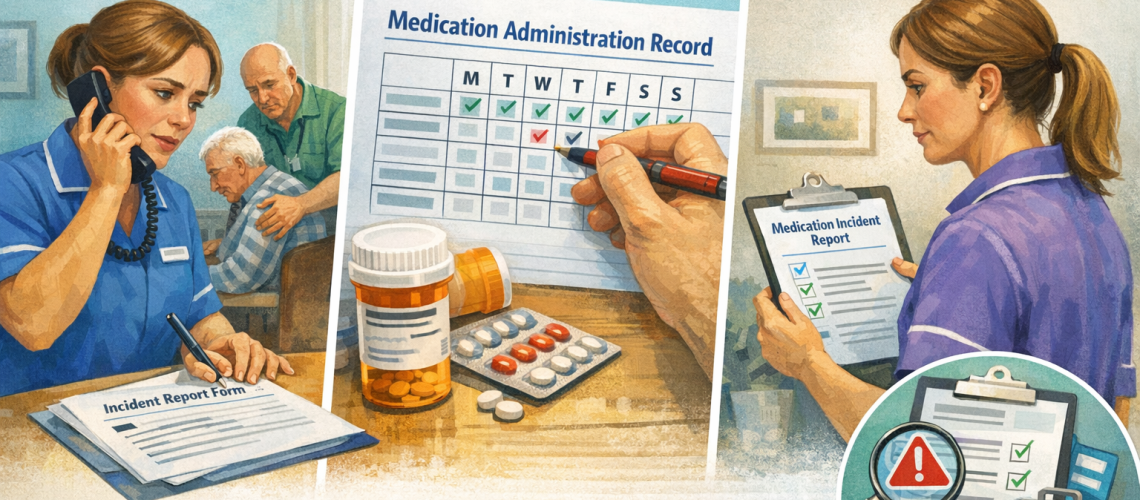
How to Report a Medicines Error or Near Miss in a Care Home

how to manage a medical neer miss

Reporting a medicines error or near miss in a care home is not just an administrative task. It is one of the clearest ways to protect residents, support staff and improve the safety of the service. When reporting is handled properly, the home gains a fuller picture of what happened, how serious the risk was and what needs to change. When reporting is weak, important warning signs can be missed.


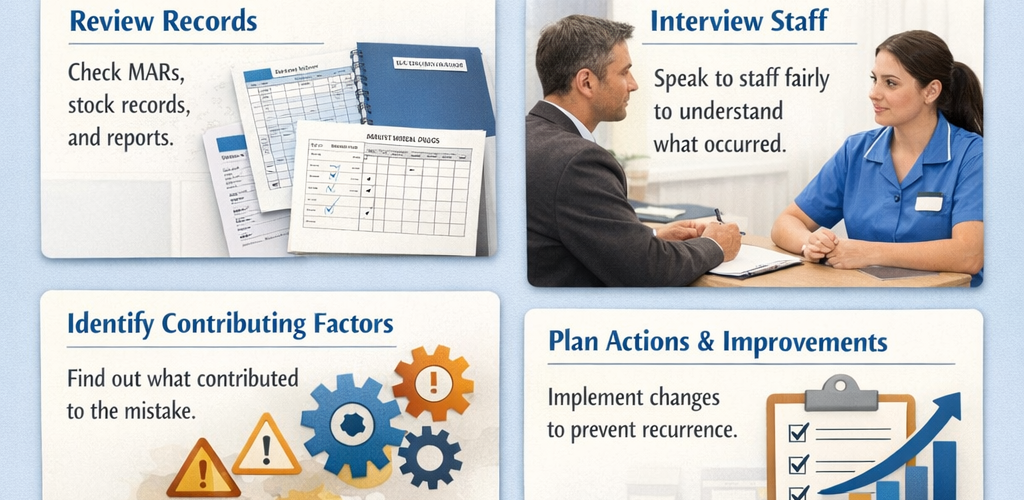
How to Investigate a Medicines Incident in a Care Home

Medicines Audit in Care Homes

A medicines incident in a care home should never be treated as a simple mistake to file away and forget. Even when no harm has occurred, the incident still tells you something important about the system. It may show a gap in storage, a weakness in record keeping, a problem with communication or a training issue that has not yet been addressed properly. Good investigation turns that evidence into action.


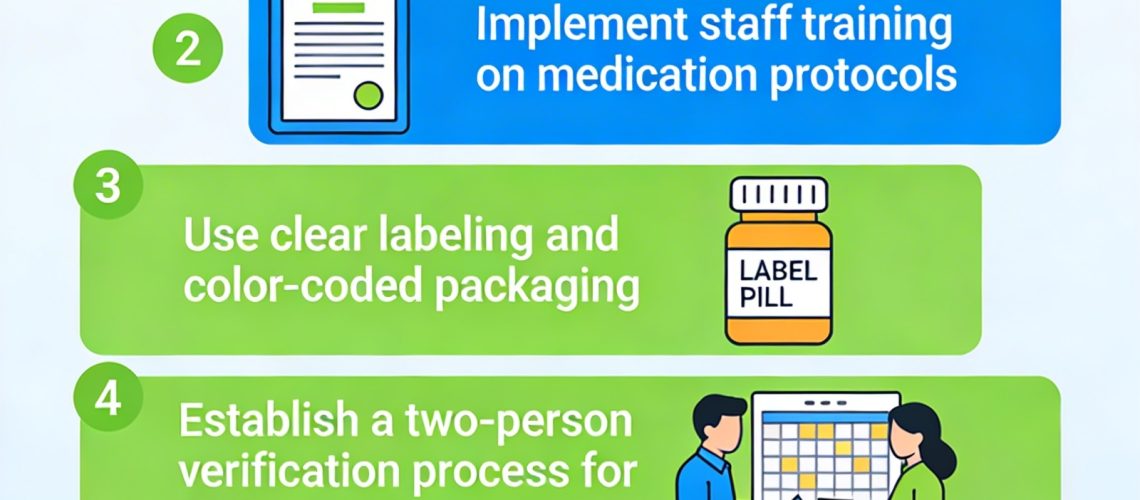
How to Reduce Medicines Errors in a Care Home

reducing medical record errors

Medicines errors in a care home rarely come from one single failure. More often, they develop when small weaknesses build up across storage, administration, record keeping, communication and oversight. A missed signature may seem minor. A stock discrepancy may look Read more…


How to Assess Competency in Care Home Medicines Administration

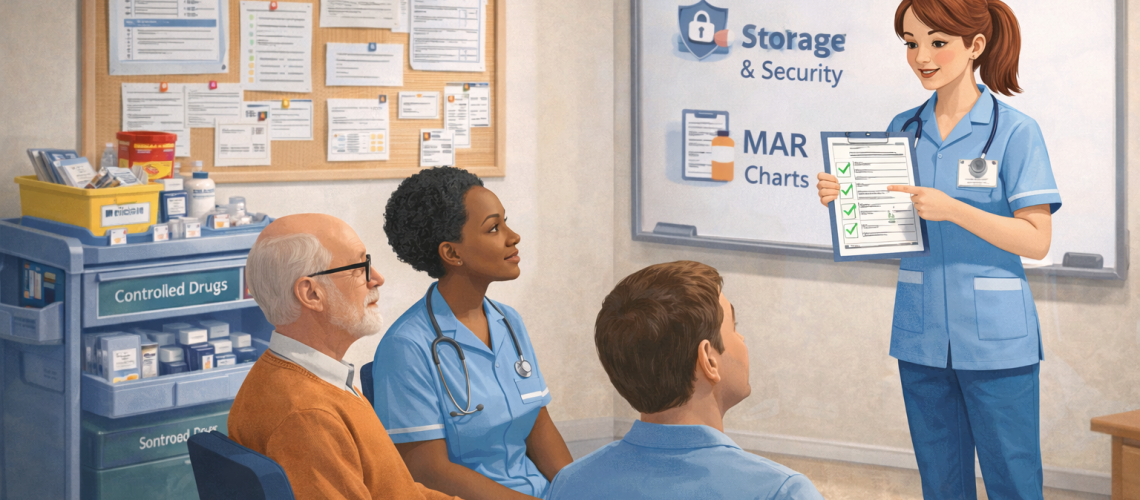
Care home staff training session on safe medicines handling with MAR charts, medicines storage and administration procedures

Medicines administration in a care home should never depend on assumption. A staff member may seem confident, move quickly and know the routine well, yet still make repeated errors in storage, administration or record keeping. Competency assessment helps care homes test whether staff can handle medicines safely in real practice, not just whether they have attended training.

This matters because medicines administration involves more than handing over tablets. Staff nee