Lost Locker Key? What to Do Next (Schools, Gyms & Workplaces)
February 19, 2026
Losing a locker key is common. However, the correct response depends on the environment and the type of lock fitted. In schools, gyms and workplaces, a lost locker key can disrupt users and create unnecessary administration. Acting quickly reduces cost and prevents security issues.
This guide explains what to do if you have a lost locker key. It covers immediate steps, master key use, identifying key numbers, when to replace the lock and how to control replacement costs. If you need to order replacement locker keys, we explain how to do that efficiently.
Immediate Steps If a Locker Key Is Lost
The first action depends on whether the locker is currently locked or unlocked.
- If unlocked: Keep the locker open and prevent use until a replacement key is obtained.
- If locked: Determine whether a master key is available.
- If valuables are inside: Escalate to site management immediately.
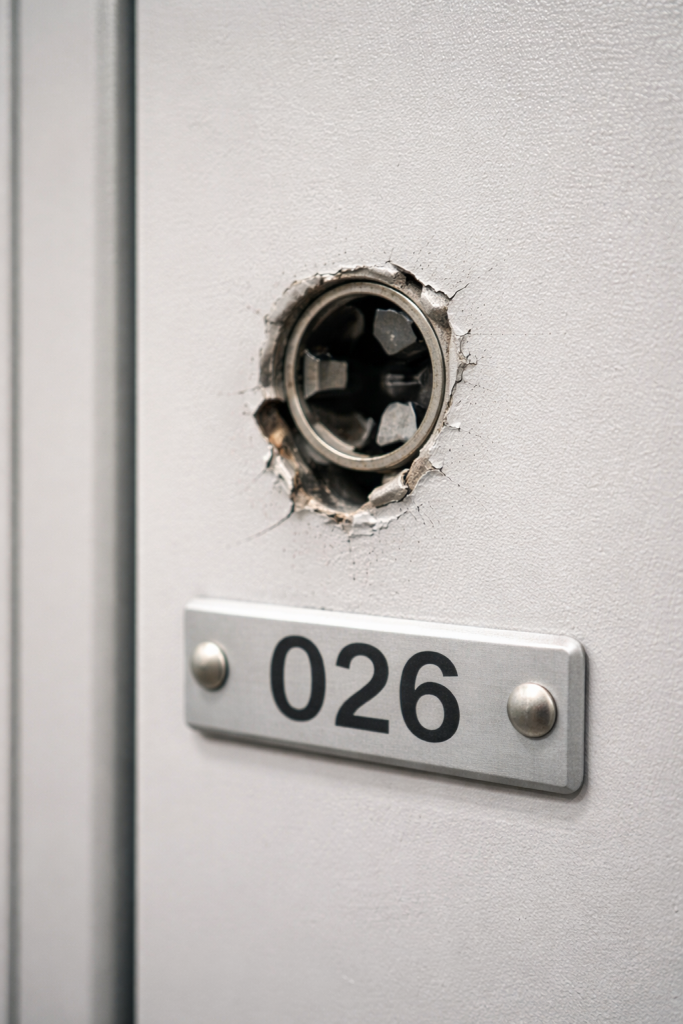
Do not force the lock. Forced entry damages the cam lock and often results in full lock replacement rather than simple key replacement.
Using a Master Key
Many locker installations in schools and workplaces use mastered cam locks. A master key allows authorised staff to open lockers without damaging them.
Before using a master key, confirm:
- The locker number matches site records.
- Access is authorised and documented.
- Security procedures are followed.
Master key control is important. If a master key is also lost, the security implications are greater and may require cylinder replacement across multiple lockers.

Identifying the Locker Key Number
In most cases, you do not need to replace the entire lock when a key is lost. Instead, you can order a key cut to the original number.
Locker key numbers are typically stamped on:
- The original key (if available)
- The front face of the lock barrel
- The cam lock body inside the door
The number is usually a short code such as 001, 1234 or similar. This code allows suppliers to cut replacement locker keys accurately.
If the number is missing or illegible, the lock may need removal to identify the correct replacement. In rare cases, full lock replacement becomes necessary.
When Should You Replace the Entire Lock?
Key replacement is normally sufficient. However, full lock replacement may be required if:
- The lock number cannot be identified.
- The master key is also lost.
- The lock is damaged.
- Security has been compromised.
Replacing the entire lock increases cost and installation time. Therefore, identifying the correct key number early saves money.
Cost Considerations
The cost of dealing with a lost locker key varies depending on the response method.
- Replacement key: Low cost, minimal disruption.
- Master key use: No hardware cost, but requires controlled access.
- Lock replacement: Higher cost plus labour time.
- Forced entry: Highest cost due to damage and replacement.
In schools and gyms where key loss is frequent, maintaining spare keys reduces reactive expenses. Bulk ordering of replacement locker keys is often more economical than repeated single purchases.
Lost Locker Keys in Schools
Schools experience frequent key loss. Students may misplace keys weekly. Therefore, structured key management systems are essential.
- Record locker-to-student allocation.
- Maintain spare key inventory.
- Charge a controlled replacement fee if appropriate.
- Store master keys securely.
Clear policy reduces administrative workload and ensures consistent handling.
Lost Locker Keys in Gyms & Leisure Centres
Gym environments often use coin locks or user-supplied padlocks. Where fixed cam locks are installed, lost keys can delay customer access and create staff pressure.
Rapid access to replacement locker keys helps maintain customer satisfaction and operational flow.
Lost Locker Keys in Workplaces
In workplaces, a lost locker key may involve confidential materials or personal protective equipment. Management must balance access needs with security controls.
If sensitive contents are stored, lock replacement may be appropriate rather than simple key duplication.
Preventing Future Key Loss
- Issue keys on signed allocation.
- Maintain master key logs.
- Hold spare keys centrally.
- Consider digital or smart lock upgrades in high-loss environments.
Preventative management reduces reactive spending.
Order Replacement Locker Keys Quickly
If you have identified the correct lock number, ordering replacement locker keys is usually the fastest and most cost-effective solution. Ensure you provide the exact code and lock type when ordering.
Fast response minimises downtime and restores locker availability quickly.
Final Thoughts
A lost locker key does not automatically mean lock replacement. In most cases, identifying the lock number and ordering replacement keys resolves the issue efficiently.
Act quickly, avoid forced entry and maintain clear key control procedures. With proper management, locker key loss becomes a manageable operational issue rather than a costly disruption.
Discover more from Blog Total Locker Service
Subscribe to get the latest posts sent to your email.