What Locker Size Do You Really Need? A Practical Guide for Schools, Workplaces and Changing Rooms
April 10, 2026
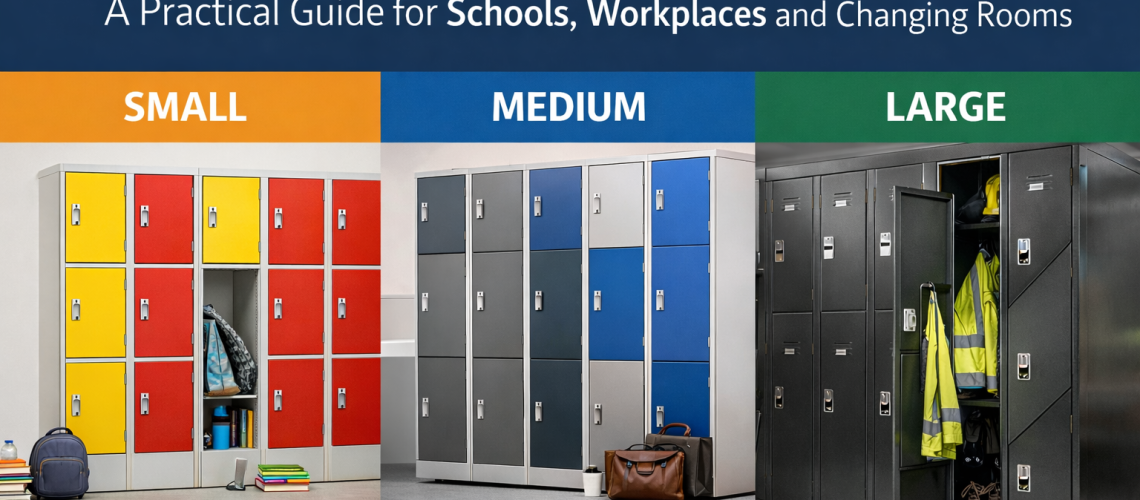
Choosing lockers is not only about style, material or lock type. Size matters just as much. A locker that looks fine on a specification sheet can feel too small in daily use. One that is larger than necessary can waste floor space and reduce the number of users the room can support.
Locker sizing should be based on what people actually need to store. In some settings, a compact compartment is enough for a bag, coat and a few personal items. In others, users need space for hanging garments, sports kit, PPE, boots or work equipment. The right size depends on the environment, the user and the purpose of the locker.
This guide explains how to think about locker size in practical terms. It looks at height, width and depth, shows how storage needs change across sectors and helps avoid choosing lockers that are either too small or unnecessarily large. For a broader overview of lockers, including materials, lock options and layouts, see our main pillar page.
Why locker size matters
Locker size affects more than storage volume. It changes the experience of using the locker bank. If a locker is too shallow, a bag may not fit comfortably. When it is too narrow, coats can feel crushed. If it lacks height, hanging space disappears. On the other hand, oversized lockers can reduce capacity unnecessarily.
The aim is to provide enough space for real use while still making efficient use of the room. That balance varies between schools, offices, leisure environments and industrial sites.
The three main dimensions that matter
Height
Height determines vertical storage and whether garments can hang properly. Full-height lockers offer flexibility, while multi-door lockers divide that space between users.
- coats
- uniforms
- sportswear
- PPE
- boots
If hanging space is important, full-height lockers or Z lockers are often more suitable.
Width
Width affects ease of use. Narrow lockers can feel restrictive, while wider lockers improve usability but reduce total capacity.
This is especially important in offices, changing rooms and industrial environments where multiple items are stored together.
Depth
Depth is often overlooked but critical. Shallow lockers may not accommodate modern bags, shoes or equipment properly.
- backpacks
- laptop bags
- sports bags
- boots
- PPE
What users actually store
Locker size should reflect real usage rather than assumptions.
Schools: books, coats, PE bags, lunch, personal items
Offices: laptop bags, coats, lunch, bottles, personal items
Leisure: clothing, shoes, towels, toiletries, bags
Industrial: PPE, boots, uniforms, tools, personal items
Locker sizes for schools
Schools often need to balance capacity with usability. Multi-door lockers can increase user numbers, but compartments must still be practical for daily use.
Storage needs depend on age group, bag size and whether PE kit or coats must fit inside. For more detail, see Best Lockers for High Schools.
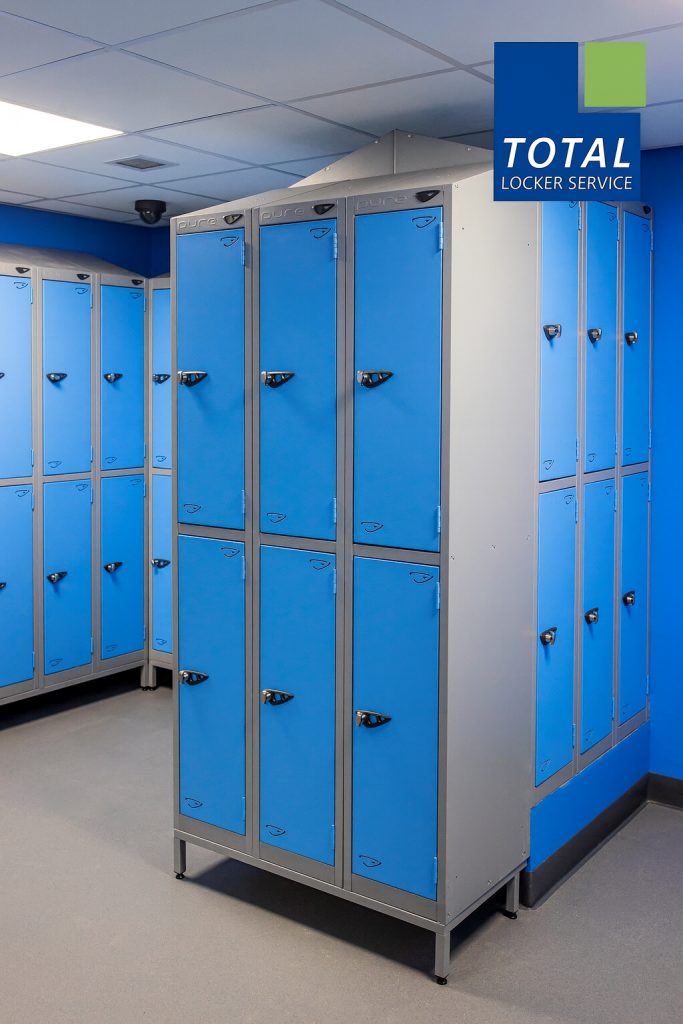
Locker sizes for workplaces
Workplace lockers often need to store laptops, bags, coats and daily items. Hybrid working increases the importance of practical sizing.
Undersized lockers can lead to poor adoption. For guidance, see Office Locker Size Guide and Workplace Locker Guide.
Locker sizes for changing rooms
Changing rooms require more space for clothing and shoes. Hanging storage is often essential.
Full-height lockers or Z lockers are commonly used in these environments.
Locker sizes for industrial sites
Industrial lockers often need to store PPE, boots and workwear. Larger or specialist lockers are usually more suitable.
Consider wire mesh lockers, garment lockers or heated lockers depending on requirements.
Small lockers vs large lockers
Small lockers increase capacity and suit light storage. Larger lockers improve usability where items are bulkier.
- Small lockers: high capacity, light storage
- Large lockers: better usability, more space
How locker size affects layout
Locker size directly impacts layout and circulation. Larger lockers reduce capacity but improve comfort. Smaller lockers increase density but may affect usability.
For layout guidance, see Locker Installation Regulations and Installation Checklist.
Common mistakes to avoid
- assuming all users need the same space
- focusing only on height
- choosing smallest size for capacity
- over-specifying unnecessarily
- ignoring future needs
Questions to ask before choosing locker size
- What do users store daily?
- Do garments need to hang?
- Are lockers shared or assigned?
- How much space is available?
- Is capacity or usability more important?
Final thoughts
The right locker size matches real storage needs while using space efficiently. Schools, workplaces, leisure environments and industrial sites all require different approaches.
Start by understanding what users store, then choose a size that supports that behaviour. Explore the full locker range and compare options before making a final decision.
“`
Discover more from Blog Total Locker Service
Subscribe to get the latest posts sent to your email.