The Complete Guide to Choosing the Right Safe for Your UK Home or Business in 2025
November 11, 2025
How to choose a safe UK protecting your valuables has never been more important. In 2024, UK burglary rates showed a concerning trend, with home break-ins costing victims an average of £3,100 in stolen goods and property damage. Moreover, house fires destroyed countless irreplaceable documents and family heirlooms.
Yet, many homeowners and business owners struggle with a crucial question: which safe should I buy?
The sheer variety of safes available can feel overwhelming. Furthermore, technical terms like “Eurograde,” “cash rating,” and “fire resistance” often confuse first-time buyers. This confusion leads to poor purchasing decisions and, ultimately, inadequate protection.
This comprehensive guide cuts through the complexity. You’ll discover exactly which safe meets your needs. Additionally, you’ll understand insurance requirements, certification standards, and installation best practices. By the end, you’ll make a confident, informed decision that protects what matters most.
How to choose a safe UK: Understanding Your Protection Needs
Before browsing safes, you must identify what needs protection. This crucial first step determines everything else about your purchase.
What Are You Protecting?
Different valuables require different levels of security. Let’s examine the most common items:
Cash and Coin Collections
Cash requires high burglary protection. Similarly, coin collections need both theft and fire protection. Insurance companies scrutinise cash storage more strictly than other valuables. Therefore, you’ll need appropriate certification.
Jewellery and Precious Metals
Jewellery often holds sentimental value beyond its monetary worth. Consequently, both fire and theft protection become essential. Furthermore, insurance policies typically require specific safe ratings for high-value items.
Important Documents
Birth certificates, property deeds, passports, and wills are irreplaceable. These items need primarily fire protection. However, privacy concerns may require theft protection as well. Additionally, digital copies stored on USB drives need even more stringent temperature control.
Digital Media and Backup Drives
Hard drives, SSDs, and USB devices are particularly heat-sensitive. They require safes maintaining internal temperatures below 55°C during fires. Standard fire safes protecting paper documents won’t suffice. Instead, you need data-rated fire protection.
Firearms
UK law mandates secure firearms storage under specific conditions. Gun safes must meet BS 7558 or BS EN 1143-1 standards. Moreover, police firearms officers may inspect your storage arrangements. Therefore, compliance isn’t optional—it’s legally required.
Business-Specific Items
Offices handle diverse security needs. For instance, client data, contracts, petty cash, and backup servers all require protection. Additionally, employee access control becomes crucial. Therefore, business safes often need multiple-user functionality.
How to choose a safe UK Calculating Your Insurance Requirements
Understanding insurance ratings prevents costly mistakes. Here’s how the system works:
UK insurers use the AiS (Association of Insurance Surveyors) rating system. This system defines how much cash or valuables your safe can protect. Subsequently, insurance companies won’t cover losses if you exceed these limits.
The Cash Rating System
Safes carry cash ratings from £1,000 to £100,000 or more. This number represents the maximum cash amount insurers will cover. However, there’s an important multiplier rule.
The 10x Rule for Valuables
Valuables (jewellery, watches, artwork) receive 10 times the cash rating coverage. For example, a £6,000 cash-rated safe covers £60,000 in valuables. Nevertheless, you cannot mix these limits arbitrarily. Instead, proportional combinations work: £3,000 cash plus £30,000 in valuables equals the full capacity.
Planning for Growth
Most experts recommend buying 25-30% more capacity than you currently need. This buffer accommodates future acquisitions. Furthermore, it prevents the expensive mistake of buying a second safe within a few years.
Real-World Example
Sarah owns jewellery worth £45,000 and keeps £500 emergency cash at home. She needs a safe with at least a £5,000 cash rating (covering £50,000 in valuables). However, following the growth rule, she should purchase a £6,000 cash-rated safe. This provides headroom for future jewellery purchases.
Browse our complete range of insurance-approved safes
How to choose a safe UK Decoding Safe Certifications and Ratings
Certification standards seem bewildering at first. However, understanding them ensures proper protection and insurance compliance.
Insurance Ratings Explained
Eurograde Classifications
The Eurograde system ranks safes from 0 to 5. Each grade represents progressively higher burglary resistance. Let’s break down what each means:
- Eurograde 0: Cash Rating £6,000 | Valuables Rating £60,000 | Best for small businesses and home offices
- Eurograde 1: Cash Rating £10,000 | Valuables Rating £100,000 | Best for most homes and small businesses
- Eurograde 2: Cash Rating £17,500 | Valuables Rating £175,000 | Best for high-value collections and retail
- Eurograde 3: Cash Rating £35,000 | Valuables Rating £350,000 | Best for jewellers and precious metals dealers
- Eurograde 4-5: Cash Ratings £60,000-£100,000 | Best for banks and high-security applications
EN Standards Breakdown
Two primary European standards govern safe testing:
EN 1143-1: The main burglary resistance standard. Testing involves attack simulation using various tools. Consequently, certified safes receive Eurograde classifications.
EN 14450 (S1/S2): Lower security standard for cash and valuables. S1 safes offer basic protection. Meanwhile, S2 safes provide moderate security. These suit residential applications with lower value contents.
Understanding EN 1143-1 Certification Standards (European Standards Organisation)
Fire Protection Standards
Fire ratings work differently from burglary ratings. They focus on time and temperature control.
Understanding Fire Testing
During testing, safes enter furnaces reaching 900-1000°C. The rating indicates how long internal temperatures stay below critical thresholds. Importantly, different contents have different temperature limits.
Paper Document Protection
Paper chars at approximately 175°C. Therefore, fire safes for documents maintain internal temperatures below this point. Standard ratings include:
- 30 minutes: Basic protection for minor fires
- 60 minutes: Standard residential protection
- 90 minutes: Enhanced protection for important documents
- 120 minutes: Maximum protection for critical documents
Digital Media Protection
This is where many buyers make mistakes. Hard drives, USB devices, and CDs melt at much lower temperatures. Specifically, they fail above 55°C. Therefore, data-rated fire safes maintain this lower threshold.
Standard paper-rated fire safes won’t protect digital media. Instead, you need DIS (Data and Insurance Security) certified safes. These cost more but provide proper digital protection.
Water Resistance Ratings
Fire creates a second threat: water damage from firefighting efforts. Modern fire safes include water resistance testing. ETL/UL certifications specify submersion time and depth resistance. Consequently, contents survive both flames and subsequent flooding.
Explore our range of fire-resistant safes with 30-120 minute protection
How to choose a safe UK Why Certification Matters to Your Insurance
Many buyers overlook this crucial point. Insurance companies won’t cover losses from inadequately rated safes. Let’s examine a real-world scenario.
Case Study: The £40,000 Mistake
James stored £45,000 in jewellery in his £2,000 cash-rated safe. Burglars broke in and stole everything. His insurance company investigated and discovered the rating mismatch. The safe only covered £20,000 in valuables (£2,000 × 10). Consequently, James lost £25,000 beyond his coverage.
This expensive lesson highlights the importance of proper ratings. Always verify your safe meets insurance requirements before purchasing. Furthermore, keep your certification documents with your insurance policy.
How to choose a safe UK Types of Safes and When to Use Them
Different environments and needs require different safe designs. Let’s explore the main categories.
Home Safes
Home safes balance security, capacity, and aesthetics. They protect personal valuables without dominating your living space.
Compact Home Safes (Under 35 Litres)
These small safes suit flats and homes with limited space. Typically, they hold:
- Passports and birth certificates
- Small jewellery collections
- Emergency cash (£200-500)
- USB drives with backups
- Spare keys
Compact safes mount inside wardrobes or under stairs. Moreover, their lighter weight (under 50kg) simplifies installation. However, they offer lower security ratings, typically £1,000-£3,000 cash rating.
Medium Home Safes (35-100 Litres)
This size represents the sweet spot for most households. Capacity includes:
- Multiple document folders
- Moderate jewellery collections
- Several watches
- Small electronics
- Cash reserves
Medium safes weigh 50-150kg when empty. This weight requires two people for installation. Nevertheless, the increased mass deters theft attempts. Ratings typically range from £3,000 to £10,000 cash equivalent.
Wall Safes vs Floor-Standing
Each design offers distinct advantages:
Wall Safes:
- Conceal behind pictures or panels
- Save floor space
- Limited capacity
- Difficult to upgrade
Floor-Standing Safes:
- Higher capacity
- Easier to upgrade
- Multiple shelving options
- Require floor space
Office and Business Safes
Commercial applications introduce additional requirements. Multiple users, higher volumes, and regulatory compliance all factor into selection.
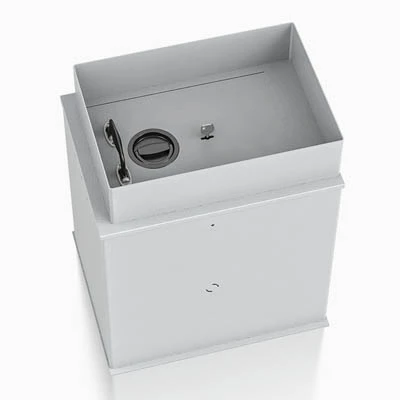
Deposit Safes for Retail Environments
Retail businesses face unique challenges. Staff must deposit cash throughout the day without full safe access. Deposit safes solve this problem elegantly.
These safes feature a front slot or rotary drum. Staff drop cash envelopes through the opening. However, they cannot retrieve contents without the management code. Consequently, internal theft risks decrease substantially.
Deposit safes suit:
- Retail shops with till takings
- Restaurants and cafes
- Leisure centres and gyms
- Parking facilities
Key Management Safes and Cabinets
Businesses managing multiple keys need organised, secure storage. Key cabinets offer:
- Numbered hooks for organisation
- Audit trails (who accessed when)
- Master access control
- Fire protection options
- Capacities from 10 to 500+ keys
Data Protection Safes
Modern businesses depend on digital data. Server backups, client records, and financial data require specialised protection. Data safes provide:
- Temperature control below 55°C during fires
- Humidity control preventing condensation
- Impact resistance protecting drives from drops
- Electromagnetic shielding (some models)
How to choose a safe UK Specialist Safes
Certain valuables demand purpose-built protection. Let’s examine specialist safe categories.
Gun Safes: Legal Compliance Essentials
UK firearms law strictly regulates gun storage. Non-compliance risks licence revocation and prosecution. Therefore, proper gun safes aren’t optional.
Legal Requirements:
Gun safes must meet BS 7558 or BS EN 1143-1 standards. Police firearms officers inspect storage during licence applications and renewals. Safes must be:
- Securely fixed to walls or floors
- Concealed from casual view where possible
- Separate ammunition storage (or internal segregation)
- Adequate capacity for all firearms
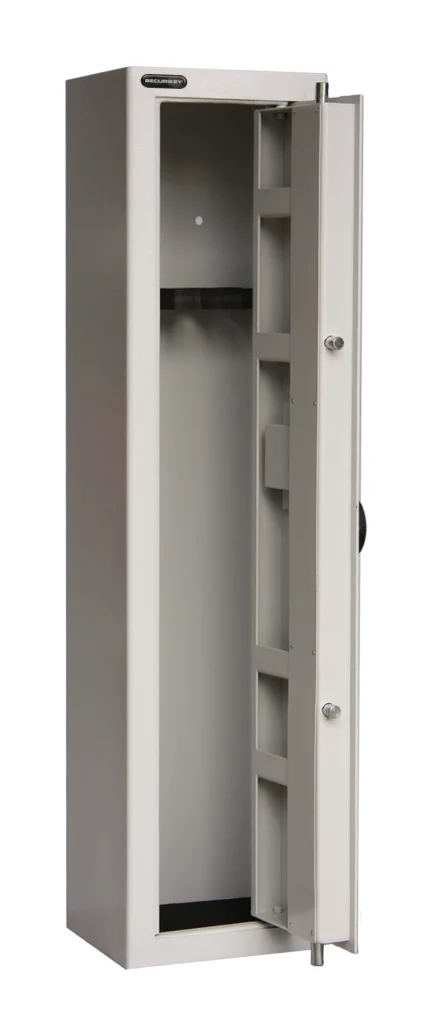
View our certified gun safe range meeting BS 7558 standards
Laptop Safes for Educational and Hospitality Settings
Schools, universities, and hotels face laptop theft challenges. Dedicated laptop safes offer:
- Sized for 15.6″ laptops plus chargers
- Quick electronic access for daily use
- RFID card compatibility (hotels)
- Override codes for facilities management
- Wall or desk mounting options
Discover our laptop safe range for education and hospitality
Underfloor Safes: Maximum Concealment
Underfloor safes offer ultimate discretion. Installed beneath floorboards or concrete, they remain completely hidden. Benefits include:
- Invisible to casual visitors
- Extremely difficult to remove once installed
- High burglary resistance when properly fitted
- Waterproofing protecting against flooding
Explore our Tarvos underfloor safe range for discrete protection
High-Security Safes for Serious Valuables
Collections exceeding £100,000 require maximum protection. High-security safes feature:
- Eurograde 3-5 certification
- 3-way locking systems (24mm diameter bolts)
- Concrete-filled double walls
- Anti-drill plates protecting locks
- Re-locker protection triggering after attacks
- Massive weight (300-1000kg+)
View the Phoenix Venus HS0670 Series for extreme security protection
How to choose a safe UK Choosing the Right Locking Mechanism
Lock type significantly affects daily usability and security. Each mechanism offers distinct advantages.
Key Lock Safes
Traditional key locks remain popular for good reasons.
Advantages
Key locks provide ultimate simplicity. No codes to remember, no batteries to replace, and minimal maintenance requirements. Additionally, they offer excellent reliability over decades of use. Furthermore, key locks never suffer electronic failures.
Disadvantages
Keys create security concerns. They can be lost, copied, or stolen. Furthermore, you must hide the key securely or carry it always. Additionally, key replacement proves difficult if you lose both keys.
Best Use Cases
- Budget-conscious buyers
- Technology-averse users
- Locations with single authorised user
- Safes storing lower-value items
Browse key lock safes from our Master Lock range
Digital and Electronic Locks
Electronic locks dominate modern safe design. Their convenience and flexibility explain this popularity.
Advantages
Digital keypads offer numerous benefits. Codes change easily if compromised. Additionally, multiple user codes enable family or staff access. Furthermore, no physical key requires carrying or hiding.
Many electronic locks include:
- Backlit keypads for darkness
- Wrong-code lockout protection
- Low battery warnings
- Emergency power connections
- Override key access
Battery Considerations
Electronic locks require power. Most use standard AA or AAA batteries lasting 1-2 years. Furthermore, low battery warnings provide advance notice.
Biometric (Fingerprint) Safes
Biometric technology represents the cutting edge of safe access.
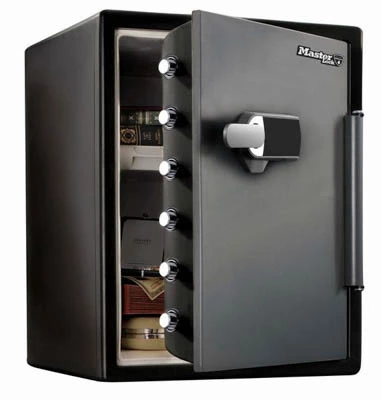
Advantages
Biometric access offers unmatched convenience. No codes to remember or keys to carry. Additionally, fingerprints cannot be shared accidentally (unlike codes) or lost (unlike keys).
Speed particularly benefits emergency situations. For instance, accessing firearms during home intrusions requires immediate access. Similarly, securing medications away from children whilst allowing parental access suits biometric locks perfectly.
Best Use Cases
- Quick-access firearm safes
- Medical cabinets requiring child protection
- High-value jewellery requiring frequent access
- Multi-user families wanting convenience
Combination (Dial) Locks
Traditional dial combinations seem old-fashioned. However, they retain specific advantages.
Advantages
Mechanical reliability proves unmatched. These locks function for decades without maintenance. Furthermore, no batteries or electronics mean zero electrical failures. Additionally, experienced users open them quickly despite apparent complexity.
When They’re Still the Best Choice
- Maximum security vaults
- Electromagnetic interference environments
- Extremely long-term storage (decades)
- Users prioritising mechanical reliability
Understanding Mechanical Safe Lock Technology (Master Locksmiths Association)
How to choose a safe UK Size and Capacity Planning
Buying the wrong size proves expensive. You’ll either lack space or waste money on excessive capacity. Therefore, careful planning prevents costly mistakes.
How to Measure What You Need
Start by gathering everything requiring protection. Lay items out on a table. Then, group them logically:
- Document Groups: A4 folders, passports, certificates, deeds
- Valuables Groups: Jewellery boxes, watches, precious metals
- Cash and Cards: Emergency cash, spare credit cards
Measure the total volume approximately. Stack items compactly but realistically. Don’t assume perfect packing—you need practical accessibility.
External vs Internal Dimensions: Critical Differences
This distinction catches many buyers unaware. Safe specifications list both measurements. Understanding the difference prevents disappointment.
External Dimensions
These measurements determine where the safe fits. Measure your installation location carefully. Additionally, account for:
- Door swing clearance
- Ventilation space (for fire safes)
- Installation tool access
- Future removal access
Internal Dimensions
These measurements determine actual storage capacity. Safe walls consume significant space, typically 50-100mm per wall. Consequently, a 500mm external width provides only 300-400mm internal width.
Fire safes consume even more space. Their insulation layers require 100-150mm thickness. Therefore, fire safes have notably less internal capacity than burglary safes with similar external dimensions.
The Future-Proofing Rule
Everyone underestimates their space needs. Life accumulates valuables naturally:
- Inheritance items
- Anniversary gifts
- Investment purchases
- Children’s items
- Business growth
Therefore, apply the 25% buffer rule. If calculations suggest 40 litres, purchase 50 litres. This extra capacity costs little initially but prevents expensive upgrades later.
Real-World Examples
Let’s examine three scenarios demonstrating proper sizing:
Example 1: Young Professional
Emma stores:
- Passport, birth certificate, degree certificates
- Small jewellery collection (3 pieces)
- £300 emergency cash
- External backup drive
Recommendation: 20-25 litre compact safe with £2,000 cash rating and 60-minute fire protection. Wall-mounted in bedroom wardrobe.
Example 2: Family Home
The Johnsons store:
- Four passports and birth certificates
- Wedding rings and inherited jewellery (£15,000 value)
- Property deeds and wills
- £500 emergency cash
- Digital photo archive drives
Recommendation: 50-60 litre medium safe with £6,000 cash rating and 90-minute fire protection. Floor-standing in master bedroom.
Example 3: Small Business
Local shop stores:
- Daily takings (up to £2,000)
- Spare change float
- Customer payment data backups
- Business insurance documents
Recommendation: 70-80 litre deposit safe with £10,000 cash rating, data-rated fire protection, and multiple user codes.
Calculate your ideal safe capacity with our product range
How to choose a safe UK Installation and Placement
Even the best safe provides inadequate protection if poorly installed. Location and mounting determine actual security effectiveness.
Where to Install Your Safe
Popular Installation Locations
Master Bedroom: The most common location offers several advantages. You’re nearby at night when burglaries typically occur. Additionally, bedrooms provide private access away from visitors. Furthermore, wardrobes and cupboards enable concealment.
Home Office or Study: Business documents naturally belong in offices. Additionally, offices offer desk or cabinet integration. Furthermore, weight-bearing floors better support heavy safes.
Garage or Utility Room: These locations suit larger safes. Weight concerns diminish with concrete floors. Additionally, these spaces accommodate professional installation access.
Concealment Strategies
Even obvious safe locations benefit from concealment:
- False wall panels
- Custom cabinetry
- Furniture integration
- Decorative screening
- Strategic room layout
Remember: concealment complements security but doesn’t replace it. Therefore, proper mounting remains essential regardless of location.
Structural Considerations
Floor and Wall Strength
Safe weight creates significant loads. Standard residential floors support approximately 150kg/m². Therefore, very heavy safes (200kg+) require:
- Ground floor installation
- Load-bearing wall proximity
- Reinforced floor joists (upper floors)
- Structural engineer assessment
Humidity and Temperature Factors
Long-term storage requires environmental stability. Avoid:
- Unheated outbuildings
- Below-ground locations
- Poorly ventilated spaces
- Direct sunlight exposure
UK Building Regulations for Safe Installation (UK Government)
Professional Installation vs DIY
When Professional Installation is Essential
Professional installation becomes mandatory for:
- Safes exceeding 100kg weight
- Underfloor or wall safes
- Business insurance requirements
- Gun safes (police inspection compliance)
Bolt-Down Requirements
Nearly all insurance policies require bolt-down mounting. This prevents safe removal by carrying or trolley. Proper bolt-down requires:
- Minimum 10mm diameter bolts
- Minimum 75mm penetration into solid structure
- Chemical anchor bolts or expanding anchors
- All provided mounting holes utilised
Our Installation Service
Total Locker Service provides professional installation throughout the UK. Our experienced team ensures:
- Proper structural assessment
- Insurance-compliant mounting
- Documentation for insurance
- Minimal disruption to your property
Contact us on 01284 749211 to arrange professional installation.
How to choose a safe UK Fire Protection Deep Dive
Fire protection deserves special attention. Understanding how fire safes work prevents costly mistakes.
When Fire Protection is Critical
Document Preservation Scenarios
Certain documents prove irreplaceable:
- Property deeds and titles
- Birth, marriage, and death certificates
- Passports and identity documents
- Wills and lasting powers of attorney
- Academic certificates and qualifications
Digital Media Protection
Modern life generates irreplaceable digital content:
- Family photos and videos
- Business financial records
- Client databases and files
- Research and academic work
Understanding Fire Ratings in Practice
What Happens During House Fires
Initial Stage (0-15 minutes): Temperatures reach 200-400°C. Basic 30-minute protection suffices for minor fires caught quickly.
Fully Developed Stage (15-45 minutes): Temperatures reach 600-900°C. Standard 60-minute protection covers most residential fires.
Decay Stage (45+ minutes): Temperatures may remain elevated for hours. Extended 90-120 minute protection ensures survival through prolonged events.
How Fire Safes Actually Work
Fire safes contain layers of specialised materials:
- Concrete-based insulation absorbing heat
- Gypsum boards providing fireproofing
- Vermiculite or perlite insulation
- Air gaps reducing heat transfer
Paper vs Digital Media: The Critical Difference
Standard fire safes maintain approximately 175°C internal temperature. Paper survives this heat. However, digital media fails at 55°C. Therefore, standard fire safes destroy the very digital backups you’re trying to protect.
Data-rated fire safes maintain the lower 55°C threshold. Consequently, data fire safes cost 50-100% more than equivalent paper safes. Nevertheless, this cost proves worthwhile for irreplaceable digital content.
Water Resistance and Post-Fire Protection
Fire creates secondary threats beyond heat. Water damage from firefighting often destroys fire survivors.
Modern fire safes undergo submersion testing. ETL/UL certifications specify 24-hour submersion protection. Look for safes specifically tested and certified for water resistance.
Understanding Fire Safe Testing Standards (UL Certifications)
Browse our water-resistant fire safes with dual protection
How to choose a safe UK Cost vs Value Analysis
Safe prices vary enormously. Understanding what you’re paying for helps identify good value.
Understanding the Investment
Budget Options (Under £200)
Entry-level safes provide basic security. These safes suit:
- Low-value contents
- Deterring opportunistic theft
- Keeping items away from children
- Temporary protection needs
Mid-Range Safes (£200-£1,000)
This category represents optimal value for most buyers. Features include:
- Medium capacity (30-100 litres)
- Electronic or biometric locks
- EN 14450 or Eurograde 0-1 certification
- 60-90 minute fire protection options
- 20-30 year lifespan
High-Security Safes (£1,000+)
Premium safes justify their cost through superior protection:
- Large capacity (100+ litres)
- Eurograde 2+ certification
- 90-120 minute fire protection
- Composite construction with concrete filling
- 30+ year lifespan
Total Cost of Ownership
Purchase price represents only initial investment. Consider ongoing costs:
- Battery replacement (£5-10 annually for electronic locks)
- Lock servicing (£50-100 every 5-10 years)
- Replacement keys (£20-50 if lost)
Insurance Premium Effects
Proper safes may reduce insurance premiums. Insurers recognise lower theft risk with certified safes. Premium reductions of 5-10% aren’t uncommon. Therefore, safes partially pay for themselves through insurance savings.
False Economies: When Cheap Proves Expensive
Buying Too Small
The most common mistake proves costly. Small safes quickly fill. Then you face purchasing a second safe or upgrading. Any option costs more than buying correctly initially.
Inadequate Ratings
Insurance claim rejections devastate owners. Insufficient safe ratings mean uncovered losses during burglary. These losses dwarf safe cost savings.
UK Home Security Statistics 2024 (Office for National Statistics)
How to choose a safe UK Maintenance and Longevity
Proper maintenance extends safe life and ensures reliable protection.
Battery Replacement Schedules
Electronic locks require regular battery replacement. Most electronic locks need batteries every 12-18 months. However, usage frequency affects this.
Low Battery Warnings
Modern safes provide advance warning:
- Beeping alerts
- LED indicators
- Reduced lock responsiveness
Never ignore these warnings. Dead batteries complicate access.
Best Practices
- Replace batteries proactively
- Use quality alkaline batteries
- Remove batteries during extended non-use
- Keep spare 9V battery for emergencies
Lock Maintenance
Locks require minimal but important maintenance.
Electronic Lock Care
Clean keypads gently with dry cloth. Never use liquid cleaners. Additionally, test your code monthly. This practice confirms proper operation before emergencies.
Mechanical Lock Care
Key locks need occasional lubrication. Use graphite powder, never oil-based lubricants. Oil attracts dirt, eventually jamming mechanisms.
Moving House with a Safe
Relocating presents challenges. Planning prevents damage and complications.
Professional Safe Moving
Safes exceeding 100kg require professional movers. Specialist safe movers provide:
- Proper lifting equipment
- Transit insurance
- Installation at new property
- Compliance documentation
Costs vary by safe weight and distance. However, expect £200-500 for professional moving services.
Warranty and Support Considerations
Quality safes include warranties covering manufacturing defects, lock failures, and structural issues. Warranty periods vary from 1 year (budget safes) to lifetime (premium safes).
Total Locker Service After-Sales Support
We provide comprehensive support including:
- Technical advice and troubleshooting
- Replacement parts supply
- Lock servicing and repairs
- Upgrade consultations
- Code recovery assistance
Contact our team on 01284 749211 for any safe-related queries.
How to choose a safe UK Common Mistakes to Avoid
Learning from others’ errors saves money and frustration.
Mistake 1: Buying Based on External Dimensions Alone
Many buyers focus solely on external measurements. This oversight creates disappointment upon delivery. Remember: wall thickness consumes significant space. Always verify internal capacity specifications.
Mistake 2: Ignoring Insurance Requirements
Insurance companies impose strict requirements. Non-compliant safes void coverage. Common insurance errors include:
- Storing £50,000 jewellery in £2,000-rated safe
- Failing to bolt down safe as required
- Using uncertified safes for high-value items
- Not providing safe documentation to insurers
Understanding UK Home Insurance Requirements (Association of British Insurers)
Mistake 3: Choosing Fire Protection When Burglary Protection is Needed
This confusion stems from assuming safes provide universal protection. They don’t. Identify your primary threat:
- Documents + no high-value items = Fire safe
- Jewellery + low fire risk = Burglary safe
- Both concerns = Combined-rating safe (costs more)
Mistake 4: Not Considering Future Needs
Life accumulates valuables naturally. Apply the 25-30% buffer rule religiously. Furthermore, consider life plans:
- Marriage (combined valuables)
- Children (birth certificates, savings bonds)
- Career progression (increased income)
- Inheritance (family heirlooms)
Mistake 5: Poor Placement Decisions
Location dramatically affects security and usability. Balance security, accessibility, and practicality:
- Conceal but don’t make inaccessible
- Ensure structural adequacy
- Control environmental conditions
- Bolt down properly regardless of location
Mistake 6: Forgetting About Emergency Access
Lock failures, forgotten codes, and lost keys happen. Implement access redundancy:
- Store spare keys securely off-site
- Document codes in secure location
- Register multiple fingerprints per person
- Keep emergency battery supplies nearby
- Consider safes with multiple override methods
How to choose a safe UK Making Your Final Decision: A Practical Framework
Consolidating everything into a clear decision process simplifies purchasing.
The Total Locker Service Safe Selection Process
Follow these steps systematically:
Step 1: Determine Your Primary Threat
Ask yourself: “What am I protecting against?”
- Theft Primary: Focus on burglary ratings and certifications
- Fire Primary: Prioritise fire duration and temperature ratings
- Both Equal: Accept higher costs for combined protection
- Data Protection: Ensure data-rated fire protection (55°C threshold)
Step 2: Calculate Your Insurance Coverage Needs
Inventory valuable items with realistic valuations:
- Sum total cash storage requirements
- Sum total valuables value
- Apply the 10x rule for valuables
- Determine required cash rating
- Add 25-30% capacity buffer
- Verify against insurance policy requirements
Step 3: Choose Your Certification Level
| Value Protected | Minimum Certification | Recommended |
|---|---|---|
| Up to £20,000 | EN 14450 S1 | EN 14450 S2 |
| £20,000-£60,000 | EN 14450 S2 | Eurograde 0 |
| £60,000-£100,000 | Eurograde 0 | Eurograde 1 |
| £100,000-£175,000 | Eurograde 1 | Eurograde 2 |
| £175,000+ | Eurograde 2+ | Eurograde 3+ |
Step 4: Select Your Locking Mechanism
Match lock type to usage patterns:
- Daily Access: Electronic or biometric
- Weekly Access: Electronic
- Monthly/Rare Access: Key or electronic
- Multiple Users: Electronic with multiple codes
- Quick Emergency Access: Biometric
Your Next Steps with Total Locker Service
You’ve now got comprehensive knowledge for safe selection. However, questions often remain. We’re here to help.
Free Expert Consultation
Our team provides personalised advice considering your specific circumstances. Contact us on 01284 749211 for free, no-obligation advice.
View Our Complete Range
Browse our extensive safe collection online:
- Home safes from compact to large capacity
- Office and business safes with various features
- Fire-resistant safes with 30-120 minute protection
- Gun safes meeting BS 7558 standards
- High-security safes up to Eurograde 5
Explore our complete safe range at Total Locker Service
Fast UK Delivery
We deliver nationwide within 5 working days. Furthermore, East Anglia and surrounding areas receive same-day delivery on stock items. All safes arrive fully assembled and ready for installation.
Professional Installation Available
Our experienced installation team operates throughout the UK. Services include:
- Site assessment and recommendations
- Professional mounting and bolt-down
- Insurance documentation provision
- Testing and demonstration
Established Since 1973
Total Locker Service brings nearly 50 years of security expertise. Our family business serves thousands of satisfied customers across the UK.
How to choose a safe UK Frequently Asked Questions
Can I Move a Safe Myself?
Small safes (under 50kg) allow DIY moving with proper precautions. However, heavier safes require professional moving services. Professional safe movers provide specialist equipment and insurance. Costs typically range from £200-500 depending on safe weight and distance.
How Long Do Electronic Locks Last?
Quality electronic locks function reliably for 10-20+ years with proper maintenance. Battery replacement every 12-18 months represents the main maintenance requirement. Furthermore, electronic components rarely fail in quality safes.
Will My Safe Survive a Flood?
Water resistance varies significantly between safes. Fire safes with water resistance certifications survive flooding. Look for ETL/UL water resistance certifications. These verify 24-hour submersion protection.
Do I Need Planning Permission for an Underfloor Safe?
Generally, no planning permission is required for residential underfloor safe installation. However, listed buildings may require consent. For commercial properties, verify with your local planning authority.
UK Planning Permission Guidelines (UK Government)
How Often Should I Test My Safe?
Test your safe monthly to ensure proper operation. This practice confirms locks functioning correctly, codes still working, and batteries maintaining charge. Monthly testing identifies problems before emergencies.
What Happens If I Forget My Code?
Solutions depend on safe type:
- Electronic Safes with Override Keys: Use the override key for immediate access
- Electronic Safes Without Override: Contact the manufacturer with proof of ownership
- Mechanical Combinations: Professional locksmith services necessary (£200-400)
- Biometric Safes: Use backup fingerprints or override codes
Prevention: Document your codes securely off-site. Store them with your solicitor or in a bank safety deposit box.
How to choose a safe UK Conclusion
Choosing the right safe requires careful consideration of multiple factors. However, the protection and peace of mind justify this effort. Your valuables deserve proper security. Furthermore, insurance compliance depends on appropriate safe selection.
This comprehensive guide has equipped you with expert knowledge. You now understand insurance ratings, fire protection, capacity planning, locking mechanisms, installation considerations, and common mistakes to avoid.
Nevertheless, personalised advice ensures optimal decisions. Therefore, we invite you to contact Total Locker Service. Our team provides free consultations considering your specific circumstances.
Take Action Today
Protect what matters most. Browse our extensive safe range online or call us on 01284 749211. We deliver throughout the UK within 5 working days. Furthermore, our East Anglia customers receive same-day delivery on stock items.
Total Locker Service has served UK customers since 1973. Consequently, we bring unmatched expertise and reliability. Additionally, our competitive pricing includes free delivery and comprehensive support.
Don’t wait until disaster strikes. Secure your valuables properly today. Your peace of mind is worth the investment.
Start browsing our certified safe collection now
About Total Locker Service
Total Locker Service has been providing security solutions across the UK since 1973. We specialise in safes, lockers, and secure storage for homes, businesses, schools, and healthcare facilities. Our expert team offers free consultation, professional installation, and comprehensive after-sales support.
Contact us:
Phone: 01284 749211
Address: Unit 3, Menta – The Vision Centre, 5 Eastern Way, Bury St Edmunds, IP32 7AB
Website: total-locker-service.com
Discover more from Blog Total Locker Service
Subscribe to get the latest posts sent to your email.