Heated Lockers: The Modern Solution for Multiple Industries
August 14, 2023
Heated lockers are designed for workplaces, sports facilities and changing areas where wet or damp clothing, footwear, PPE or equipment needs somewhere secure to dry between uses.
Unlike a standard locker, a heated locker introduces controlled warmth and airflow to help moisture escape from stored items. This can make them particularly useful where staff or users regularly return with wet workwear, outdoor clothing or sports kit.
Total Locker Service supplies heated lockers for commercial and workplace applications. The correct configuration depends on what will be stored, how wet the items are, how frequently the lockers are used and the available electrical supply and ventilation.
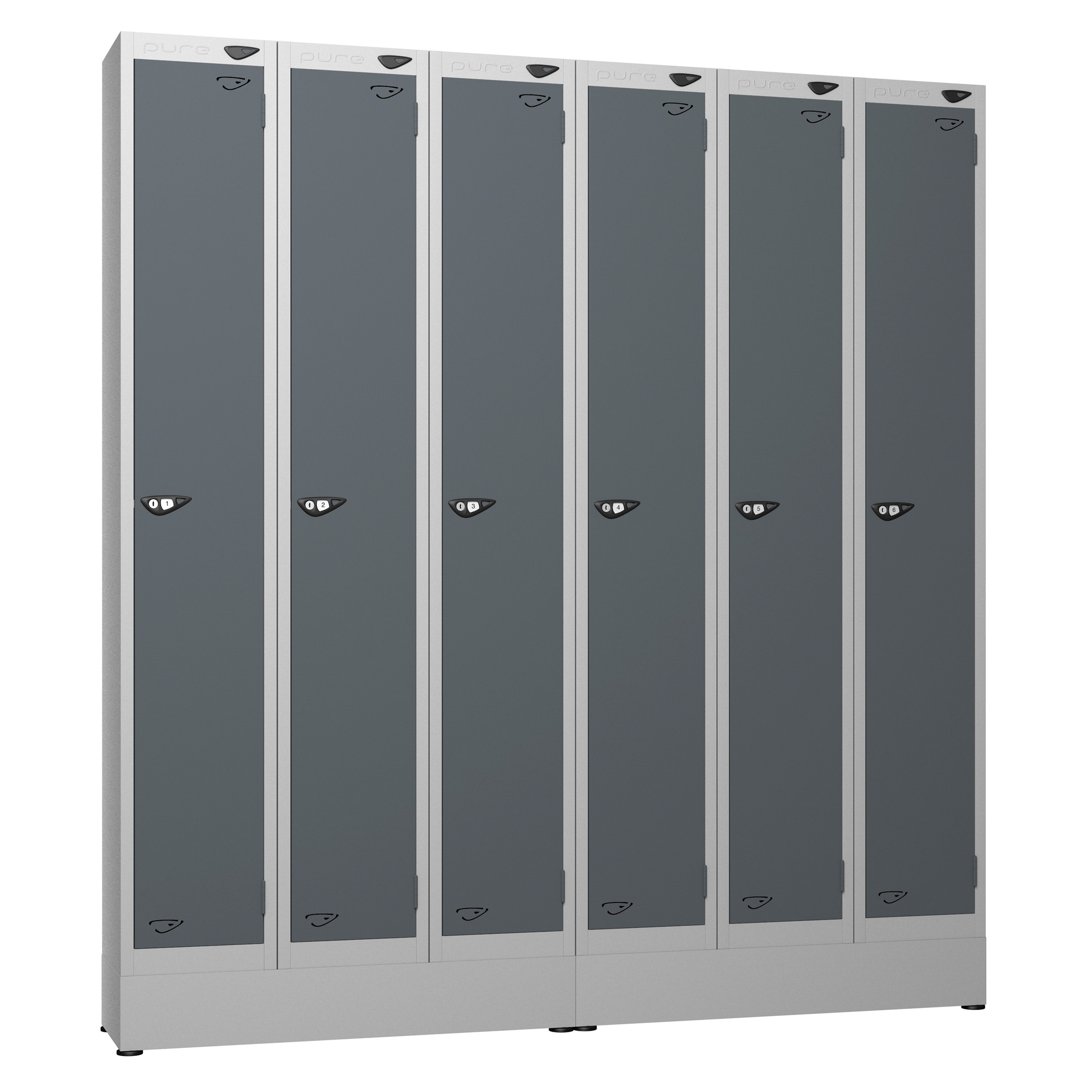
What Are Heated Lockers?
Heated lockers combine secure storage with a drying function. They are intended for situations where ordinary lockers may leave damp clothing, boots or equipment enclosed for long periods.
The aim is not simply to make the locker warm. A useful heated-locker system should help reduce retained moisture so that stored items have a better opportunity to dry before they are needed again.
Where Are Heated Lockers Used?
Heated lockers are most useful where people regularly work, train or travel in wet conditions.
- Construction and outdoor work: for wet jackets, trousers, gloves, footwear and PPE.
- Utilities and engineering: for staff working outside or in exposed environments.
- Warehouses and industrial sites: where employees may need dry workwear between shifts.
- Sports facilities: for damp kit, outerwear and footwear.
- Leisure centres and activity venues: where users may return with wet clothing or equipment.
- Emergency and response environments: where protective clothing needs somewhere secure between uses.
- Schools and colleges: where outdoor clothing or sports equipment may need drying space.
Why Use Heated Lockers?
Wet clothing stored in a conventional enclosed locker may remain damp for long periods, particularly where ventilation is limited or the surrounding room is humid.
Providing a dedicated heated drying locker can help:
- reduce the amount of moisture retained in clothing and equipment;
- help workwear dry between shifts;
- reduce the need for wet garments to be left around changing rooms;
- keep drying items within an allocated secure compartment;
- support more organised changing-room and PPE management; and
- make it more likely that clothing is ready for its next use.
Heated Lockers for Workwear and PPE
One of the strongest applications for heated lockers is the storage of workwear and PPE used in wet or exposed conditions.
Employees may finish a shift with damp coats, trousers, gloves, boots or other equipment. If these items are simply placed in a normal locker, they may still be wet when the next shift begins.
A heated locker gives each user an allocated drying space while keeping their equipment separate from that of other employees.
Heated Lockers for Boots and Footwear
Boots and heavy footwear can hold moisture for much longer than lightweight clothing, particularly after outdoor work or use in wet environments.
Where footwear drying is important, the internal layout of the locker should be considered carefully. Shelves, hanging space and airflow should suit the type of boots or equipment being stored rather than simply maximising compartment capacity.
Heated Lockers for Sports and Leisure Facilities
Sports facilities, outdoor activity centres and leisure sites can also benefit where users regularly return with damp clothing, jackets, footwear or equipment.
The suitability of a heated locker depends on the type of kit being stored and whether the locker will be used by one person, allocated between sessions or shared operationally.
Heated Locker Size and Internal Layout
The locker should be large enough for the items to be stored without packing them so tightly that drying becomes ineffective.
Before choosing a heated locker, consider:
- the number of users;
- the type of clothing or equipment;
- whether boots or footwear need separate space;
- whether garments will be hung or folded;
- the amount of moisture normally present;
- how long items remain in the locker between uses; and
- the available room space.
Airflow Is Important
Drying depends on more than temperature alone. Moisture needs somewhere to go, so airflow and ventilation are important parts of the system.
Overfilled compartments, blocked vents or poor room ventilation can reduce drying performance. Heated lockers should therefore be considered as part of the wider changing-room environment rather than as isolated pieces of equipment.
For broader guidance, see our Locker Ventilation UK guide.
Heated Lockers and Changing Room Layout
Heated lockers require more planning than a conventional locker bank because electrical supply, ventilation, clearance and access for inspection or maintenance may all need to be considered.
- Confirm the available electrical supply.
- Allow suitable access around the installation.
- Consider the relationship between lockers, benches and circulation routes.
- Avoid obstructing ventilation openings.
- Check whether wet clothing will drip onto surrounding floors.
- Consider cleaning and maintenance access.
For the wider room arrangement, see our Locker Layout Planning Guide UK.
Heated Lockers in Wet and Dry Changing Areas
A locker used to dry damp clothing does not necessarily need to stand in the wettest part of a changing room.
Where possible, the locker location should be planned around drainage, humidity, electrical requirements and user movement. Separating very wet zones from drier changing and storage areas can make the whole room easier to manage.
See our Wet & Dry Changing Room Design UK guide for more detailed planning guidance.
Cleaning and Care of Heated Lockers
Heated lockers still need routine cleaning and inspection like any other locker installation.
- Remove dirt, debris and abandoned items.
- Keep ventilation openings clear.
- Do not allow wet items to block airflow.
- Use cleaning products suitable for the locker material.
- Avoid introducing excess liquid around electrical components.
- Report unusual noises, heat, damage or electrical faults for inspection.
For general cleaning guidance, see our Locker Cleaning & Care Guide UK.
Safety and Electrical Planning
Because heated lockers combine storage with electrical equipment, they should be specified and installed with the same care as other powered workplace equipment.
The appropriate electrical supply, installation method, operating instructions and maintenance arrangements should be confirmed for the chosen product and site.
Do not assume that any locker can simply be fitted with a heating element or that a heated locker is suitable for every type of stored item.
Standard Lockers vs Heated Lockers
| Requirement | Standard locker | Heated locker |
|---|---|---|
| Dry personal belongings | Usually suitable | Normally unnecessary |
| Damp workwear | May remain damp | Designed to support drying |
| Wet outdoor clothing | Limited drying capability | More suitable where drying is required |
| Electrical supply required | No | Yes |
| Installation planning | Relatively straightforward | Requires additional electrical and ventilation consideration |
When Are Heated Lockers Worth Considering?
Heated lockers are worth considering when damp clothing or equipment is a regular operational problem rather than an occasional inconvenience.
- Staff regularly work outdoors in wet weather.
- Workwear needs to be reused on consecutive shifts.
- Boots and PPE routinely remain damp overnight.
- Wet clothing is currently being left around changing rooms.
- Users need secure allocated drying space.
- Conventional lockers are not allowing equipment to dry sufficiently between uses.
Information Needed for a Heated Locker Enquiry
Providing the basic operational information at the start of the enquiry makes it easier to determine whether a heated locker is suitable.
- Number of users.
- Type of clothing, footwear or equipment.
- Approximate locker dimensions required.
- Whether each user needs an individual compartment.
- Whether boots need dedicated storage.
- How wet the stored items normally are.
- How long items remain in the locker.
- Available room dimensions.
- Available electrical supply.
- Delivery and installation location.
Heated Locker FAQs
What is a heated locker?
A heated locker is a secure storage compartment designed to introduce warmth and airflow so that damp clothing, workwear, footwear or equipment has a better opportunity to dry between uses.
What are heated lockers used for?
Heated lockers are commonly considered for wet workwear, outdoor clothing, PPE, boots, sports kit and other items that may remain damp if stored in a conventional locker.
Do heated lockers need electricity?
Yes. Heated lockers require a suitable electrical supply. The exact installation requirements depend on the selected product and site conditions.
Can heated lockers dry boots?
They can be suitable for damp footwear where the locker configuration provides appropriate space and airflow. The type and quantity of footwear should be considered when specifying the locker.
Are heated lockers suitable for wet changing rooms?
Suitability depends on the locker construction, electrical installation, room humidity, drainage and product specification. The chosen model and installation should be suitable for the intended environment.
Are heated lockers better than standard lockers?
Not for every application. Standard lockers are normally sufficient for dry belongings. Heated lockers are more appropriate where regularly damp clothing, footwear or equipment needs secure storage with a drying function.
Heated Lockers for Damp Workwear and Equipment
Heated lockers are a specialist storage solution for environments where moisture is a recurring operational problem. They can provide secure individual storage while helping damp workwear, boots, sports kit and equipment dry between uses.
The correct solution depends on the items being stored, the number of users, drying time, internal layout, ventilation, electrical supply and the conditions within the room.
View our heated locker range or contact Total Locker Service to discuss the requirements of your site.
Discover more from Blog Total Locker Service
Subscribe to get the latest posts sent to your email.