London Academy Locker Lock Conversion: Cam Locks to MK718
September 3, 2023
London Academy identified an opportunity to change its existing keyed locker cam locks to MK718 four-digit mechanical combination locks operating in Public Mode. The proposed conversion was intended to simplify locker access, reduce dependence on individual keys and provide a locking arrangement suited to shared-use lockers.
This case study examines the original locker arrangement, the reasons for considering combination locks, the MK718 specification and the practical considerations involved in converting existing locker doors without replacing the complete locker installation.
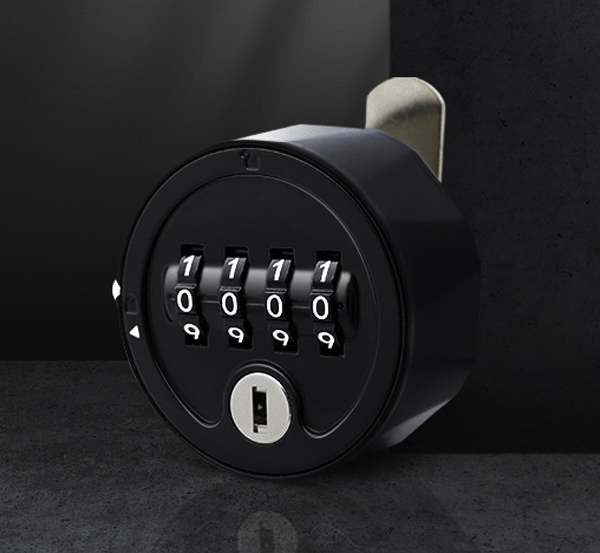
Project overview: London Academy locker lock conversion
The project concerned existing lockers at London Academy that were fitted with conventional key-operated cam locks. The proposed upgrade involved replacing these with MK718 four-digit mechanical combination locks configured for Public Mode operation.
| Project | London Academy locker lock conversion |
|---|---|
| Location | London, UK |
| Existing locking system | Key-operated locker cam locks |
| Proposed replacement | MK718 four-digit mechanical combination locks |
| Operating arrangement | Public Mode for shared locker use |
| Main objective | Reduce day-to-day dependence on individual locker keys |
| Project status | Conversion described in the original project account; completed installation not independently confirmed |
The original locker locking arrangement
The existing lockers used traditional key-operated cam locks. Each lock required a compatible key, with the locking cam rotating behind the locker door frame to secure the compartment.
Key-operated cam locks are widely used in schools because they are straightforward to operate and replace. However, the management of individual keys can become an additional administrative responsibility, particularly where lockers are frequently reassigned.
Lost or misplaced keys may require replacement keys, authorised override access or complete lock replacement. The appropriate response depends on the lock series, key identification and the school’s procedures.
Why London Academy considered combination locks
The proposed conversion focused on reducing the reliance on physical user keys while retaining a familiar mechanical locking arrangement.
For a school operating shared lockers, a suitable combination lock may provide several practical advantages.
- Reduced key administration: students do not need to be issued an individual operating key for each use.
- Flexible allocation: Public Mode can support temporary use by different students.
- Reduced dependence on replacement keys: ordinary access uses a numerical combination rather than a physical user key.
- Mechanical operation: the locking system does not require batteries for normal operation.
- Retention of existing lockers: where mechanically compatible, changing the locks can avoid replacing otherwise serviceable locker bodies and doors.
These are potential operational benefits of the proposed locking system. The original project account does not provide measured reductions in key losses, administrative costs or locker-access times.
The proposed solution: MK718 four-digit combination locks
The MK718 is a mechanical four-digit combination lock designed for suitable locker installations. It provides numerical-code access without requiring an individual user key during normal operation.
The London Academy proposal specified Public Mode, which is intended for applications where a locker can be used by different people at different times rather than permanently allocated to one user.
How Public Mode supports shared lockers
In a compatible Public Mode configuration, users operate the lock according to the manufacturer’s code-setting and opening procedure. This permits the locker to be made available to another user after the previous period of use has ended.
Public Mode differs from a permanent-user arrangement, where an allocated user retains an operating combination until it is deliberately changed or reset.
The precise code-setting procedure, reset arrangements and any available management override must be confirmed using the instructions supplied for the specific MK718 version.
Mechanical combination operation
A four-digit combination provides 10,000 possible numerical settings, although that figure alone does not establish the overall security of a locking system. Mechanical construction, code management, physical access and administrative procedures also affect security.
The main attraction for this application was the ability to operate lockers without issuing a separate user key for routine access.
Converting the existing locker doors
Changing from a keyed cam lock to a mechanical combination lock requires more than simply removing one cylinder and fitting another. The replacement must be compatible with the existing locker door, fixing arrangement and locking cam.
Before undertaking a conversion of this type, the existing locker hardware should be inspected to establish whether the proposed replacement can be fitted correctly.
Assessing the existing cam locks
The first stage is identifying the original lock construction and mounting method. Important details include the door opening, barrel dimensions, door thickness, cam length and fixing arrangement.
The original locking cam must also be considered because its position determines how the locker door engages with the frame.
Checking MK718 compatibility
The MK718 replacement assembly must match the prepared opening and provide an appropriate mounting arrangement. Where the existing door does not directly accommodate the replacement lock, an approved conversion component or modification may be necessary.
Compatibility should be confirmed before ordering locks for an entire locker installation. A trial fitting on a representative door can establish whether the arrangement is practical.
Installing and testing the replacement locks
Once compatibility is established, the existing lock can be removed and the replacement fitted in accordance with the relevant manufacturer instructions.
Commissioning should confirm that the lock is securely mounted, the cam engages correctly, the door opens and closes without binding, and the selected operating mode functions as intended.
Any management or authorised recovery procedure should also be checked before lockers are returned to use.
For a detailed explanation of compatibility and replacement planning, see our Retrofit Locker Locks UK guide.
Preparing students and staff for Public Mode
Changing the locking mechanism also changes how users access their lockers. Students and staff need clear instructions on setting, remembering and using combinations correctly.
For a shared-locker installation, the school should establish procedures covering the end of a period of use, forgotten combinations, lockers left occupied and authorised assistance.
Instructions should match the exact MK718 version installed. Posters near the lockers or short demonstrations can help users become familiar with the operating procedure.
Project considerations and expected benefits
The proposed change at London Academy illustrates an alternative to continuing with individual keyed locker access. A mechanical combination system can reduce the need to distribute and replace routine operating keys while allowing compatible lockers to remain in service.
However, keyless operation does not remove the need for locker management. Public Mode requires suitable user instructions, code procedures and arrangements for forgotten combinations or abandoned contents.
The original account does not confirm the final number of converted locks, the completed installation date or measured operational results. These details should be added if supported by the school’s or Total Locker Service’s project records.
What this locker conversion project demonstrates
The London Academy proposal demonstrates how an existing locker installation can be assessed for a change in locking technology rather than immediate replacement of complete locker units.
The key considerations are compatibility between the existing door and replacement lock, the intended locker allocation method and the procedures needed to manage the new system.
For schools considering similar work, establishing these requirements before purchasing replacement locks can help avoid unsuitable hardware and unnecessary changes to the locker installation.
Locker lock conversion and upgrade services
Total Locker Service supplies replacement locker locks and associated components for schools, workplaces, leisure centres and other UK organisations.
Browse our locker locks range for available mechanical, combination and electronic locking systems.
For broader guidance on selecting an upgrade, read our Locker Lock Upgrade Guide UK.
If you are considering converting existing lockers, contact sales@totallocker.co.uk or call 01284 749211 with details of your current locks and locker doors.
London Academy Locker Conversion FAQs
Which locks were proposed for London Academy?
The project account describes a proposal to replace existing keyed locker cam locks with MK718 four-digit mechanical combination locks operating in Public Mode.
Why change from keyed cam locks to combination locks?
A suitable combination locking system can reduce dependence on individual locker keys and may simplify temporary locker allocation. The practical benefits depend on the selected operating mode and site management procedures.
What is Public Mode on a combination locker lock?
Public Mode is an operating arrangement intended for shared or temporary locker allocation. Users operate and set combinations according to the manufacturer’s instructions rather than retaining one permanently assigned combination.
Can an MK718 replace any existing locker cam lock?
Not automatically. Door preparation, lock dimensions, fixing arrangements and locking cam compatibility must be checked. Some conversions may require suitable conversion components or modifications.
Does converting to combination locks mean replacing the complete locker?
Not necessarily. Existing lockers can sometimes be retained when the replacement lock is mechanically compatible and the doors remain suitable for continued use.
Discover more from Blog Total Locker Service
Subscribe to get the latest posts sent to your email.