Commercial Lockers UK: How to Specify for Workplace Environments
February 17, 2026
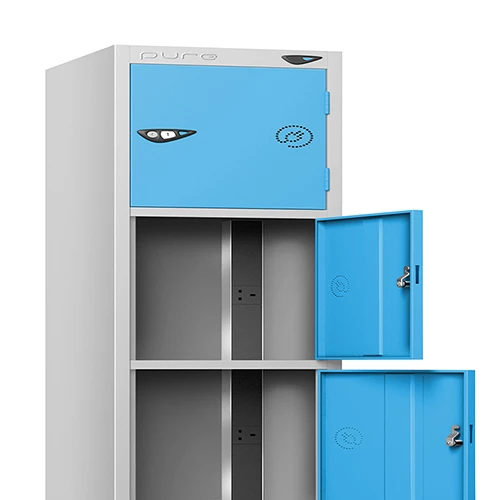
Commercial Lockers Comparison for Workplace Procurement
| Environment | Recommended Locker Type | Locking System | Durability Level | Typical Lifecycle | Best For |
|---|---|---|---|---|---|
| Corporate Office | Steel or Laminate Door | Digital / Combination | High | 10–15 Years | Hybrid and assigned staff storage |
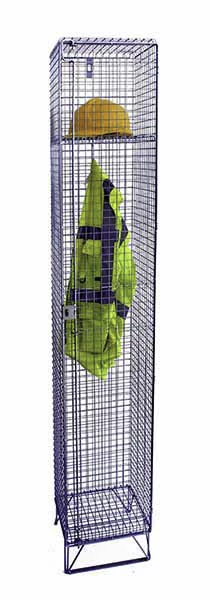
| Industrial / Manufacturing | Heavy-Gauge Steel or Wire Mesh | Cam or Padlock | Very High | 15+ Years | PPE and uniform storage |
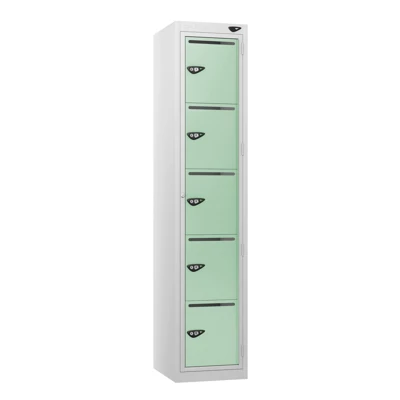
| Healthcare | Steel with Clean/Dirty Separation | Keyed or Digital | High | 10–15 Years | Contamination control |
| Leisure Facility Staff Areas | Laminate Door | Coin or Digital | High | 10–15 Years | High traffic environments |
| Wet / Humid Workplace | Plastic Lockers | Digital or Cam | High | 15+ Years | Moisture-prone sites |
Commercial lockers are a core part of workplace infrastructure. They support staff welfare. They improve organisation. They reduce risk. Yet many organisations still treat them as a minor purchasing decision.
For facilities managers, HR teams and procurement professionals, locker specification affects compliance, durability and long-term cost. Choosing correctly at the outset prevents ongoing maintenance issues and replacement expenditure.
If you are reviewing storage provision more broadly, see our complete lockers guide for an overview of types and materials.
Why Commercial Lockers Matter in Modern Workplaces
Workplaces in 2026 are more dynamic than ever. Hybrid models are common. Shift patterns vary. Shared environments are standard.
Commercial lockers now serve multiple functions:
- Secure storage for personal belongings
- PPE and uniform allocation
- Device and equipment storage
- Compliance with welfare regulations
- Space management in shared offices
They are not simply storage cabinets. They are part of your risk management strategy.
Workplace Regulations and Legal Considerations
UK employers must provide suitable welfare facilities under workplace regulations. This includes adequate storage for clothing and personal effects where required.
Where uniforms or PPE are necessary, employers must provide appropriate storage that prevents contamination and damage. In industrial environments, separation between clean and dirty clothing may be required.
For a deeper look at regulatory obligations, read our existing workplace compliance article: UK Workplace Locker Laws.
Failure to provide adequate locker provision can create safeguarding concerns, health and safety risks and reputational damage.
PPE Storage and Industrial Considerations
In manufacturing, logistics and construction environments, lockers must support PPE management.
Key considerations include:
- Ventilation for damp clothing
- Durable steel construction
- Heavy-duty hinges and locks
- Separation for clean and contaminated items
Wire mesh lockers are often used where airflow is critical. Steel lockers remain suitable in controlled environments. Material choice must reflect operational conditions.
Staff Allocation Models: Assigned vs Flexible Lockers
Commercial locker strategy depends on how your workforce operates.
Assigned Lockers
Common in manufacturing and healthcare environments. Each employee is allocated a fixed locker. This supports accountability and hygiene control.
Shared or Hot Locker Systems
Increasingly used in hybrid offices. Staff use lockers temporarily. Digital locks or smart systems simplify allocation.
Hybrid environments benefit from electronic locking systems that remove key management burdens.
Insurance and Risk Considerations
Lockers influence liability exposure. If employees store valuables onsite, security must be appropriate.
Consider:
- Lock strength and tamper resistance
- Visibility and surveillance coverage
- Access control integration
- Replacement key management procedures
Higher-risk environments may require digital or restricted locking systems. Procurement teams should consider long-term administration cost alongside initial purchase price.
Material Selection for Commercial Lockers
Material selection should reflect environment and traffic levels.
- Steel lockers: Suitable for dry office and industrial settings.
- Laminate door lockers: Higher impact resistance and improved appearance.
- Plastic lockers: Ideal where moisture or humidity is present.
Durability must be considered over a 10–15 year lifecycle. Cheap lockers often require early replacement.
Layout and Space Planning in Commercial Environments
Locker layout affects operational flow. Narrow aisles create congestion. Poor spacing creates safety hazards.
Allow sufficient aisle width. Ensure fire exits remain unobstructed. Include bench seating where changing is required.
Planning at specification stage prevents later redesign costs.
Hybrid Working and the Rise of Smart Lockers
Hybrid offices require flexible storage. Assigned lockers often result in underutilised capacity.
Smart lockers enable:
- Temporary allocation
- App-based access
- Usage tracking
- Reduced lost key issues
For organisations transitioning to hybrid models, digital lockers improve efficiency and reduce administrative workload.
Common Procurement Mistakes
- Buying purely on price
- Underestimating capacity requirements
- Ignoring environmental conditions
- Selecting inappropriate locks
- Failing to consider lifecycle cost
Commercial lockers should be specified as infrastructure, not furniture.
Final Thoughts for Facilities and Procurement Teams
Commercial lockers form part of workplace welfare, compliance and risk management strategy. The right choice improves safety, durability and employee satisfaction. The wrong choice generates ongoing maintenance and administrative issues.
Begin with regulation and environment. Then assess capacity and locking systems. Finally, evaluate lifecycle durability.
For a broader overview of locker types and materials, read our complete lockers guide. For regulation-specific detail, see our UK Workplace Locker Laws article.
Discover more from Blog Total Locker Service
Subscribe to get the latest posts sent to your email.