Environment-Specific Lockers: Choosing Lockers for Wet Areas and Outdoor Use
April 11, 2026
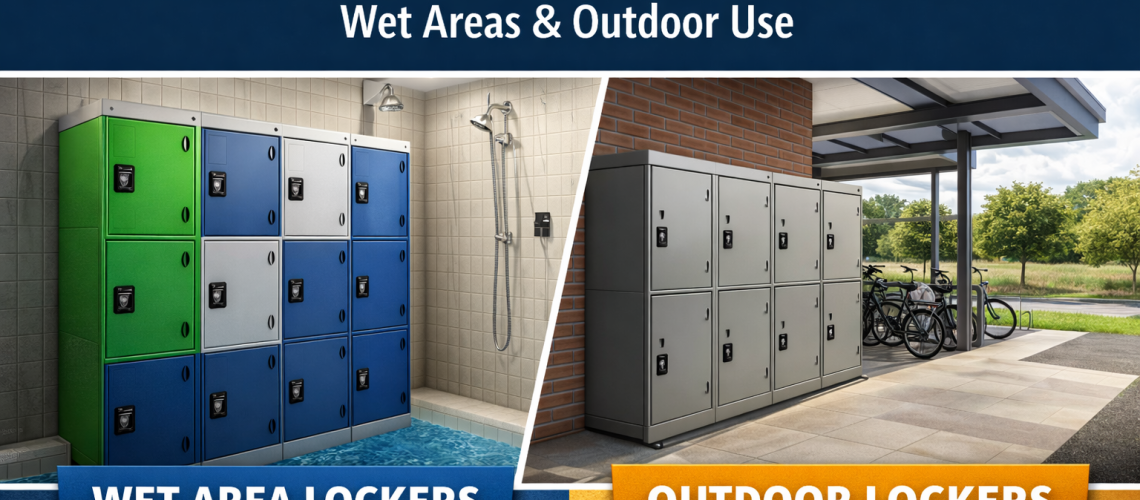
Not every locker is designed for the same setting. A locker that works well in a dry office corridor may perform poorly beside a swimming pool, in a shower area or in an exposed outdoor location. That is why environment-specific locker selection matters.
Wet areas, humid changing rooms and outdoor spaces all place extra pressure on locker materials, finishes, locks and overall construction. Moisture, temperature changes, cleaning routines and daily wear can all affect how well lockers last. Choosing the right product for the environment helps prevent early damage, keeps storage practical and reduces long-term maintenance problems.
This guide explains what to look for when choosing lockers for wet areas and outdoor use, and why the surrounding environment should always shape the decision.
Why environment-specific lockers matter
Locker buying decisions often start with size, compartments and lock type. Those are all important, but the environment comes first. If the locker cannot cope with where it is installed, the rest of the specification matters less.
A site with regular moisture, changing temperatures or exposure to the elements needs lockers that are suitable for those conditions. Otherwise, common problems can appear much sooner than expected.
- surfaces may deteriorate faster
- doors and fittings may wear more quickly
- locks may become harder to manage
- cleaning may become less effective
- the installation may look tired before its time
- replacement costs may rise sooner than planned
By matching lockers to the site conditions, you improve reliability and create a better user experience as well.
What counts as a wet area?
Wet areas are not limited to swimming pools. Any space with regular moisture, high humidity or frequent washdown routines may need lockers designed for more demanding conditions.
Examples include:
- poolside changing rooms
- leisure centre shower areas
- spa and wellness changing facilities
- gym changing rooms with high humidity
- workplace washdown areas
- food production changing spaces
- healthcare or hygiene-led environments with intensive cleaning
Some of these spaces are visibly wet. Others look dry at first glance but stay damp because of steam, poor ventilation or repeated cleaning. In both cases, the lockers need to cope with more than standard room conditions.
What counts as an outdoor locker environment?
Outdoor lockers face a different challenge. Instead of humidity alone, they may be exposed to rain, cold, sunlight, dirt, fluctuating temperatures and higher general wear. Access control can also matter more because the lockers may sit in a more open or publicly accessible area.
Outdoor or semi-exposed locker locations may include:
- sports grounds and stadiums
- school or college external areas
- workplace bike compounds
- visitor storage near entrances
- theme parks and attractions
- transport hubs
- courtyards, covered walkways and exposed service yards
Even when the lockers are under a canopy, the environment may still be harsh enough to demand a more suitable specification than a standard indoor product.
Why standard lockers may not suit wet or outdoor locations
Standard lockers are often built for general-purpose indoor use. In the right setting, they perform very well. In the wrong one, they may struggle over time.
Problems usually start when buyers assume one locker type will suit every environment on site. That can lead to the same product being used in offices, changing rooms and exterior spaces without enough thought about local conditions.
Wet and outdoor areas can place extra pressure on:
- door surfaces and edges
- frames and bodies
- hinges and fixings
- lock housings and lock operation
- ventilation and internal freshness
- day-to-day appearance and cleanliness
That is why environment-specific products are worth considering from the start.
Best locker features for wet areas
When choosing lockers for wet environments, material performance becomes especially important. Lockers in these settings need to cope with moisture, regular cleaning and heavy turnover without becoming difficult to maintain.
Useful wet-area locker features often include:
- materials suited to humid or splash-prone spaces
- surfaces that are easy to wipe down and keep clean
- construction designed for demanding changing room conditions
- practical ventilation to help the locker perform better in damp spaces
- locks appropriate for frequent user turnover
- layouts that support easy cleaning around and beneath the lockers
Plastic lockers are often a strong choice in wet areas because they are well suited to environments where water and humidity are part of daily use. In some premium changing rooms, other constructions may also be considered, but the key point is that the material must fit the conditions rather than simply match the décor.
Wet-area locker applications
Wet-area lockers are commonly used in:
- swimming pools
- public leisure centres
- private gyms and health clubs
- spa changing facilities
- shower rooms in workplaces
- cleaning-intensive hygiene environments
Best locker features for outdoor use
Outdoor lockers need to handle broader environmental stress. Rain, dirt, changing temperatures and more open public use can all affect how the lockers perform. In these settings, durability is only part of the story. Practical installation, weather exposure and access management all matter as well.
Useful outdoor locker features often include:
- materials and finishes suited to exposed or semi-exposed locations
- construction that can cope better with changing weather conditions
- secure lock choices appropriate for more public-facing settings
- designs that are easier to keep clean in dirt-prone areas
- placement that helps reduce unnecessary exposure where possible
- planning around drainage, shelter and user access
Not every outdoor locker is fully exposed to the weather. Some are placed in covered external areas or semi-open compounds. Even so, that space may still demand a more robust specification than a locker intended for dry indoor use.
Outdoor locker applications
Outdoor lockers may suit:
- sports venues and activity centres
- parks and attractions
- education sites with external circulation areas
- cycle storage and commuter facilities
- staff welfare areas with external access
- public visitor storage in suitable controlled locations
How lock choice changes in wet and outdoor environments
Lock choice always matters, but it becomes even more important in demanding environments. Wet areas often need locks that are easy to manage with high user turnover. Outdoor areas may need stronger attention to security, user convenience and reliability in more exposed conditions.
Think about questions such as:
- Will the lockers be assigned or shared?
- How often will users change?
- Will staff need quick override access?
- Is the site supervised or more open to the public?
- How easy does the system need to be for visitors or occasional users?
The right lock solution should support the environment, the user type and the day-to-day management model together.
Cleaning and maintenance matter more in these environments
Wet-area and outdoor lockers often need more attention than standard indoor units. That does not mean they are difficult to manage, but it does mean maintenance planning should be built in early.
Cleaning access, drainage around the installation, ventilation, and the ability to inspect locks and fittings all make a difference. When lockers are hard to reach, packed too tightly or installed in awkward corners, even the right product can become more difficult to maintain properly.
A better installation usually includes:
- enough space for routine cleaning
- a layout that supports airflow where needed
- easy access for inspection and servicing
- a practical relationship between lockers, benches and walkways
- clear numbering and identification for easy management
Questions to ask before choosing wet-area or outdoor lockers
Before ordering, it helps to work through a few practical questions.
- Is the area truly dry, or does it stay humid or damp most of the time?
- Will the lockers be exposed to direct rain, splash or regular washdown cleaning?
- Are the users staff, students, visitors or members of the public?
- Do the lockers need to support short-stay sharing or long-term assignment?
- How visible is the locker installation within the wider site design?
- How often will the lockers be cleaned, checked and maintained?
- Is the location fully outside, semi-covered or simply more demanding than a normal room?
These questions help shift the decision away from appearance alone and towards real working conditions.
Common mistakes to avoid
Several mistakes appear again and again when lockers are selected for challenging environments.
- using standard indoor lockers in areas with constant humidity
- treating covered outdoor spaces as though they are fully protected indoor locations
- choosing style first and environment second
- overlooking cleaning access around the installation
- failing to match the lock type to the way the lockers will actually be used
- assuming all changing rooms place the same demands on the product
A more reliable result comes from treating environment as the first filter, not a detail added later.
Final thoughts on lockers for wet areas and outdoor use
Environment-specific lockers are about more than special materials. They are about choosing storage that suits the real conditions of the space. Wet areas need lockers that can handle moisture, humidity and frequent cleaning. Outdoor settings need lockers that can cope better with exposure, dirt, temperature changes and more open access conditions.
When you match locker design to the environment, you improve durability, make maintenance easier and create a better experience for users. That usually leads to better value over time as well.
If you are comparing lockers for changing rooms, leisure facilities, workplace wash areas or outdoor storage points, start with the environment first. From there, you can choose the right material, layout and lock solution with much more confidence.
For more guidance, explore our locker range, review different locker lock options, or browse more articles on the Total Locker Service blog.
If you want the next step, I’d make the SEO pack for this one: Yoast title, meta description, slug, focus keyphrase, alt text, and image prompt.
Discover more from Blog Total Locker Service
Subscribe to get the latest posts sent to your email.