Locker Ventilation: Why Airflow Matters for Hygiene, Odour and Locker Lifespan
April 11, 2026
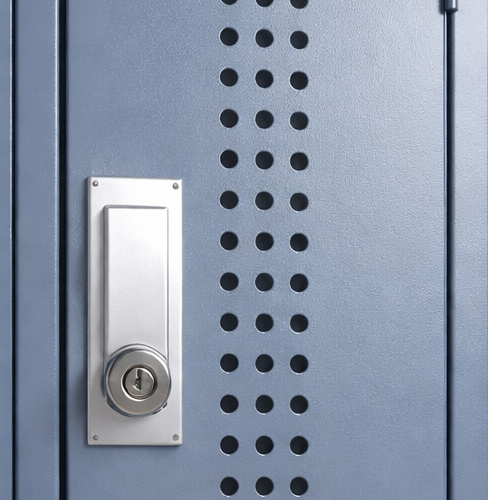
Locker ventilation is often overlooked when people choose storage. Size, lock type and material usually get more attention. Even so, airflow plays a major part in how well lockers perform over time. In schools, workplaces, gyms, leisure facilities and changing rooms, poor ventilation can lead to stale interiors, trapped moisture and a less pleasant user experience.
Good locker ventilation helps lockers stay fresher, supports hygiene standards and can reduce the conditions that allow dampness and odours to build up. It also makes lockers more suitable for environments where clothing, shoes, towels, uniforms or sports kit are stored for part or all of the day.
This guide explains why locker airflow matters, where it matters most, and what to think about when choosing or planning a better-ventilated locker installation.
Why locker ventilation matters
A locker is a contained storage space. That is useful for security and organisation, but it also means air can become trapped if the design or installation does not support enough movement. Once that happens, moisture and stale air are more likely to linger.
Ventilation matters because it helps with several day-to-day issues at once:
- reducing the build-up of stale air inside compartments
- helping damp items dry more effectively between uses
- supporting cleaner and fresher locker interiors
- improving comfort for users opening the locker throughout the day
- helping storage stay suitable for clothing, footwear and kit
- supporting longer-term locker condition in more demanding environments
Without enough airflow, lockers can quickly feel less fresh and less practical, especially where users store personal items after exercise, outdoor work or long shifts.
What causes poor airflow inside lockers?
Poor locker ventilation is not always caused by the locker itself. In many cases, it is a combination of compartment design, room conditions and installation layout.
Common causes include:
- solid enclosed compartments with limited airflow openings
- storage of damp coats, towels, shoes or sportswear
- humid rooms such as changing areas and wash spaces
- lockers packed tightly together without room for surrounding air movement
- poor room ventilation in the wider area
- heavy daily use with little time between users
When several of these factors come together, odours and dampness can build up faster. That is why airflow should be considered as part of the full locker environment rather than as an isolated product feature.
Which environments need locker ventilation most?
Any locker area benefits from sensible airflow, but some settings place much greater demands on it. These are usually environments where users store worn clothing, wet kit or personal items for longer periods.
Ventilation matters especially in:
- gym and leisure centre changing rooms
- swimming pool and wet-area facilities
- school PE changing areas
- workplace changing rooms for uniforms or PPE
- industrial settings where outdoor clothing is stored
- staff welfare areas with high daily turnover
Even office lockers can benefit if users store coats, shoes, helmets or gym gear during the day. The need is greater in humid and active environments, but it is not limited to them.
How ventilation supports hygiene
Locker hygiene is not only about cleaning the exterior. The inside matters too. When air remains trapped around used clothing, footwear or towels, the locker can become less pleasant to use and harder to keep feeling fresh.
Better airflow helps by reducing the chance of stale, enclosed conditions building up inside the compartment. That does not replace cleaning, but it supports a cleaner overall result. In environments with regular use, this can make a real difference to the day-to-day experience of the locker area.
Ventilation works best alongside:
- regular locker cleaning routines
- sensible user guidance on storing damp items
- good room ventilation in the wider space
- layouts that make lockers easy to clean around and beneath
- materials suited to the demands of the environment
How ventilation helps control odour
Odour control is one of the clearest benefits of better locker airflow. When worn clothing or shoes are placed in a closed compartment with little air movement, smells can linger and intensify. That can affect not just the user’s locker, but the wider feel of the room as well.
Good ventilation helps reduce the conditions that allow odours to sit in the locker for longer than necessary. This is particularly helpful in school PE areas, gym changing rooms and workplaces where staff change before and after shifts.
It is not a magic solution on its own. Damp kit still needs sensible handling. Even so, ventilation gives the locker a much better chance of staying usable and fresher between cleaning cycles.
Why airflow can help extend locker lifespan
Ventilation is often discussed in terms of comfort and hygiene, but it can also support the long-term condition of the locker installation. Trapped moisture and stagnant internal conditions can place more stress on a locker than many buyers realise, especially in demanding locations.
Better airflow can help by reducing how long moisture lingers inside the compartment. That matters in changing rooms, wet-adjacent areas and workplaces where users store coats or workwear after being outdoors.
Airflow is not a substitute for choosing the right locker material. It does, however, support better performance when paired with a locker suited to the environment.
What locker ventilation features should you look for?
Ventilation design varies between locker types, but the principle stays the same. Air needs a sensible route to move rather than remaining trapped inside the compartment. Buyers should look for locker designs that recognise how the unit will actually be used.
Useful features may include:
- integrated ventilation slots or airflow openings
- door and body designs that support better internal air movement
- layouts suitable for storing clothing and personal items
- materials appropriate to humid, dry or mixed environments
- installation planning that leaves enough space for the locker area to breathe
The right feature set depends on the environment. A workplace coat locker may need a different approach from a leisure centre changing locker. That is why the airflow question should always be tied back to the user and the setting.
Installation layout affects ventilation too
Even a well-designed locker can underperform if the layout around it restricts airflow too much. Installation planning matters more than many buyers expect. When lockers are packed too tightly into corners or placed in poorly ventilated rooms, the overall result can suffer.
Better layout planning may include:
- leaving practical space around locker banks where possible
- avoiding layouts that block easy room-level airflow
- planning benches, walls and walkways so they do not create stagnant pockets
- making cleaning access easier around the installation
- considering how users move through the area during peak periods
A locker room works as a system. The locker, the room, the ventilation and the user habits all interact.
Assigned lockers vs shared-use lockers: does ventilation matter differently?
Yes, it often does. Assigned lockers may hold the same user’s items for long periods, which can make airflow especially important if coats, shoes or workwear stay inside all day or all week. Shared-use lockers can also create ventilation demands, particularly where turnover is high and the next user expects a clean, fresh compartment.
In practice:
- assigned lockers often need sensible ongoing airflow because personal items remain inside for longer
- shared lockers benefit from ventilation because repeated user turnover increases the need for freshness and hygiene between uses
Both models benefit. The difference is in how and when the airflow pressure appears.
Common mistakes when planning locker ventilation
Several mistakes come up again and again when ventilation is treated as an afterthought.
- choosing lockers for appearance alone without considering airflow
- assuming dry-looking rooms do not need ventilation support
- ignoring the impact of damp clothing, shoes or towels
- packing locker banks too tightly into enclosed spaces
- relying on locker cleaning alone to solve airflow problems
- forgetting that room ventilation and locker ventilation work together
A better result usually comes from treating airflow as part of the original brief rather than as something to deal with later.
Questions to ask before choosing a ventilated locker solution
Before specifying lockers, it helps to ask a few practical questions:
- What will users actually store in the lockers?
- Will items often be damp, worn after exercise or used outdoors?
- Is the room dry, humid or wet-adjacent?
- Will lockers be assigned, shared or both?
- How busy is the area during peak periods?
- Is there enough room ventilation as well as locker airflow?
- How easy will the installation be to clean and maintain?
These questions make it much easier to choose a locker system that stays practical in real day-to-day use.
Final thoughts on locker airflow
Locker ventilation is a practical feature with a wide impact. It supports hygiene, helps control odours, improves the day-to-day experience for users and can contribute to better long-term locker performance. In changing rooms, workplaces, schools and leisure settings, airflow should be treated as part of the main specification rather than a minor extra.
The best solution depends on the environment, the user habits and the type of items being stored. Even so, the principle is simple. When air can move more effectively, lockers are more likely to stay fresh, usable and fit for purpose.
If you are planning lockers for schools, offices, gyms or changing areas, explore our locker range, compare different locker lock options, and browse more practical advice on the Total Locker Service blog.
If you want the next step, I’d do the Yoast SEO pack and image prompt for this post next.
Discover more from Blog Total Locker Service
Subscribe to get the latest posts sent to your email.