The Complete Guide to Locker Parts, Repairs and Replacement Components (UK)
April 9, 2026
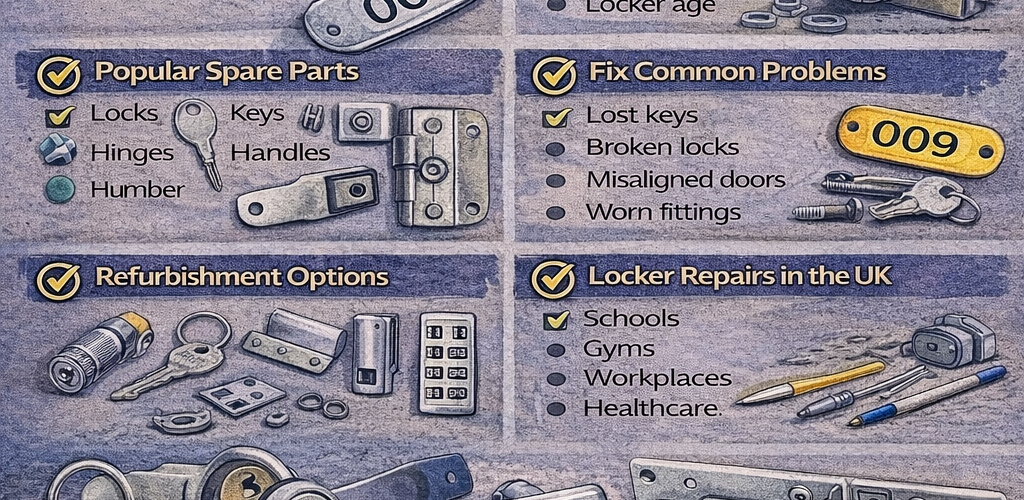
Locker systems are built to work hard. In schools, workplaces, gyms and industrial settings, they are used every day. Doors open and close, locks turn, and components wear over time. That does not always mean lockers need replacing. In many cases, replacing parts or carrying out repairs is the better option.
A structured approach to locker parts and repairs helps extend lifespan, improve usability and reduce costs. This guide explains what can be replaced, when to repair, and how to maintain locker systems effectively.
Why locker parts and repairs matter
Treating lockers as serviceable systems allows better long-term management.
- extend locker lifespan
- reduce replacement costs
- improve daily usability
- maintain professional appearance
- reduce downtime
- support ongoing maintenance
Common locker problems
- lost or damaged keys
- worn or broken locks
- misaligned or bent doors
- worn hinges
- damaged handles
- faulty latches
- loose fittings
- missing number plates
- internal damage
Repair, refurbish or replace?
Repair
- isolated faults
- sound locker structure
- low-cost fixes
Refurbish
- multiple worn parts
- good carcass condition
- need for consistency
Replace
- structural damage
- corrosion or failure
- obsolete systems
Replacement locker locks
Locks are one of the most commonly replaced components.
- lost keys
- worn barrels
- broken mechanisms
- security upgrades
Options include cam locks, hasp fittings, combination locks and coin-operated systems.
Replacement locker keys
Key replacement is a routine requirement in many environments.
- lost keys
- worn keys
- unknown key codes
Accurate lock identification helps ensure correct replacements.
Lock conversion and retrofitting
Conversion plates allow different lock types to be fitted without replacing doors.
- upgrade lock systems
- replace obsolete locks
- adapt to new usage
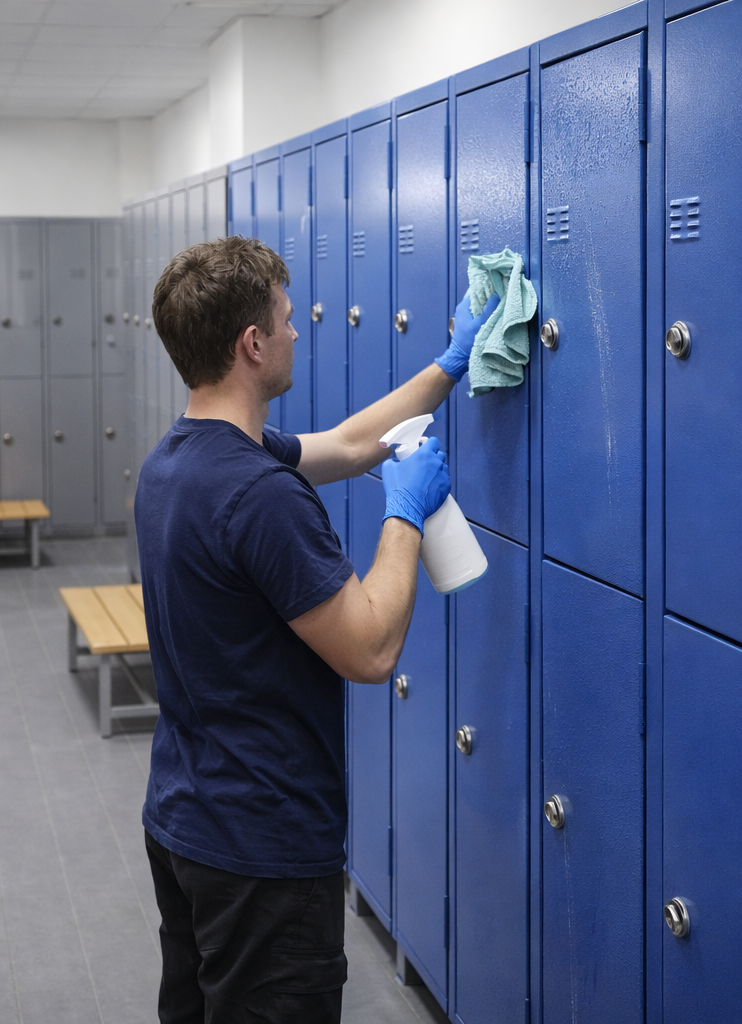
Hinges, doors and alignment
- sagging doors
- loose hinges
- misalignment
- damaged panels
Some issues can be adjusted, while others require replacement parts.
Handles, catches and latches
- broken handles
- faulty catches
- misaligned latches
These parts affect everyday usability and should be maintained properly.
Internal locker fittings
- coat hooks
- shelves
- rails
- dividers
Replacing internal fittings improves functionality and user experience.
Locker numbering and identification
- number plates
- engraved tags
- labels
Clear identification supports organisation and maintenance.
Cosmetic repairs
- scratches and dents
- faded finishes
- inconsistent parts
Visual improvements enhance overall presentation.
Identifying the right spare part
- locker brand
- lock code
- dimensions
- photos
Accurate identification prevents ordering errors.
Repairs by sector
Schools
- high-use environments
- cost-effective repairs
- consistent numbering
Gyms
- frequent use
- moisture exposure
- presentation standards
Workplaces
- staff turnover
- lock changes
- system consistency
Healthcare
- clean environments
- reliable systems
- consistent fittings
Refurbishment projects
Batch refurbishment improves consistency and value.
- replace locks in groups
- standardise parts
- update numbering
- improve layout
When to replace parts
- security issues
- functional failure
- visible wear
- user complaints
Common mistakes to avoid
- incorrect part identification
- inconsistent repairs
- ignoring system structure
- delayed maintenance
Planning a long-term strategy
- record locker details
- standardise parts
- track common failures
- plan refurbishment
Why repairs deliver value
Repairing and refurbishing lockers can extend lifespan and reduce costs compared to full replacement.
Final thoughts
Locker parts and replacement components are essential for maintaining effective storage systems. A structured approach improves performance, usability and long-term value.
Well-planned repairs keep locker systems functional, organised and ready for future use.
Discover more from Blog Total Locker Service
Subscribe to get the latest posts sent to your email.