Industrial Hazardous Storage Standards UK: Workplace Compliance Guide (2026)
February 27, 2026
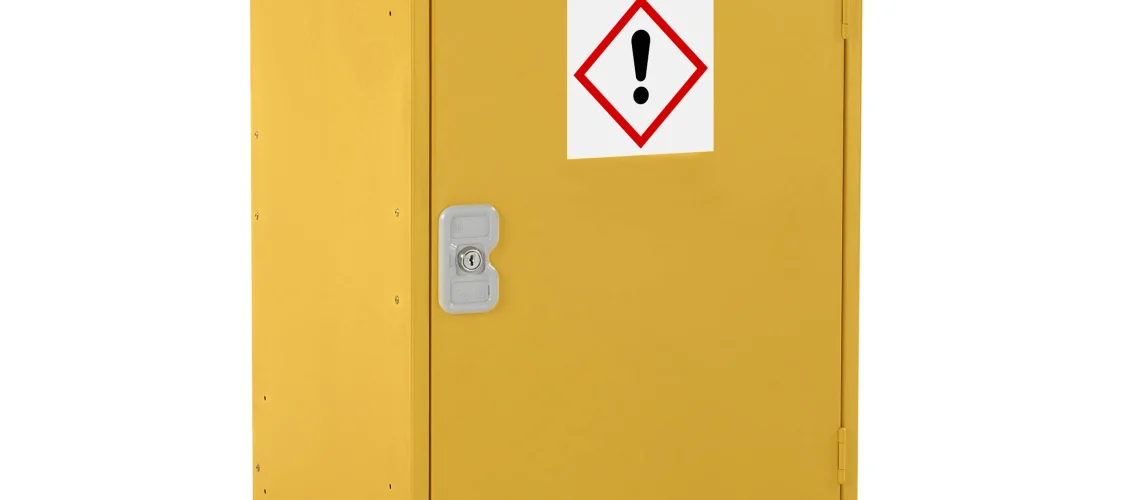
Industrial hazardous storage standards UK-wide are shaped by the Control of Substances Hazardous to Health Regulations (COSHH), fire safety legislation and Health and Safety Executive (HSE) guidance. Organisations handling chemicals, flammables or reactive materials must ensure storage systems are compliant, secure and risk assessed.
This guide explains workplace hazardous storage regulations, how they apply to industrial environments, and how to specify compliant storage cabinets in 2026.
For broader compliance context, see our UK Secure Storage Compliance Guide 2026.
Legal Framework for Hazardous Storage
Legal Framework for Hazardous Storage in the UK
- Control of Substances Hazardous to Health Regulations 2002 (COSHH)
- Dangerous Substances and Explosive Atmospheres Regulations (DSEAR)
- Regulatory Reform (Fire Safety) Order 2005
- Health and Safety at Work Act 1974
Guidance is available via the Health and Safety Executive (HSE).
What Is Hazardous Storage?
What Is Considered Hazardous Storage?
Hazardous storage includes containment of substances that are:
- Flammable
- Toxic
- Corrosive
- Oxidising
- Reactive
- Environmentally harmful
Industrial Cabinet Requirements
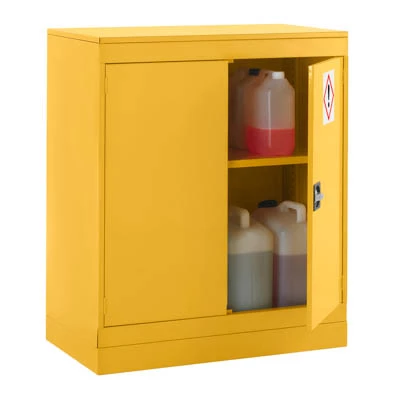
Industrial Hazardous Storage Cabinet Requirements
- Heavy-duty steel construction
- Chemical-resistant powder coating
- Spill retention sump base
- Clearly marked hazard signage
- Secure locking systems
- Ventilation compatibility
COSHH vs DSEAR: What’s the Difference?
COSHH vs DSEAR: Understanding the Difference
COSHH focuses on controlling exposure to hazardous substances. DSEAR addresses fire and explosion risks from dangerous substances.
- COSHH = Health risk control
- DSEAR = Fire & explosion risk mitigation
Segregation of Incompatible Substances
Segregation & Chemical Compatibility
Industrial facilities must separate incompatible materials to prevent dangerous reactions.
- Acids and alkalis
- Flammables and oxidisers
- Reactive metals and moisture
Fire Rated Hazardous Storage
Fire Rated Industrial Hazardous Cabinets
Where flammable liquids are stored, fire-rated cabinets may be required to limit fire spread and protect adjacent areas.
Workplace Inspection & Documentation
Inspection, Maintenance & Documentation
- Routine cabinet inspections
- Spill tray cleaning
- Signage verification
- Risk assessment updates
Choosing the Right Industrial Hazardous Cabinet
How to Choose the Right Industrial Hazardous Cabinet
- Identify chemical types and volumes
- Review DSEAR assessment
- Confirm spill containment capacity
- Check structural load ratings
- Plan safe positioning
Explore compliant COSHH Cabinets and heavy-duty Steel Storage Cabinets suitable for industrial environments.
Common Compliance Failures
Common Hazardous Storage Compliance Failures
- Storing chemicals in standard cupboards
- Ignoring incompatible substance segregation
- Lack of hazard labelling
- Overfilling cabinets
- No documented risk assessment
Frequently Asked Questions
Frequently Asked Questions
Are hazardous storage cabinets mandatory?
Employers must provide suitable storage under COSHH and DSEAR. In most industrial settings, this requires purpose-built cabinets.
Can hazardous chemicals be stored in steel cupboards?
Only if they are specifically designed and rated for hazardous use.
Discover more from Blog Total Locker Service
Subscribe to get the latest posts sent to your email.