Gym Lockers How To Choose
December 27, 2023
Choosing gym lockers involves more than selecting a cabinet size and colour. The right locker should fit the changing-room layout, suit the level of moisture in the space, provide an appropriate locking system and give members enough storage for the way they actually use the gym.
This guide explains the main planning decisions to make before choosing a locker range, including locker materials, sizes, configurations, locks, ventilation, accessibility, layout and budget.
If you already know the type of storage you need, browse our gym lockers.
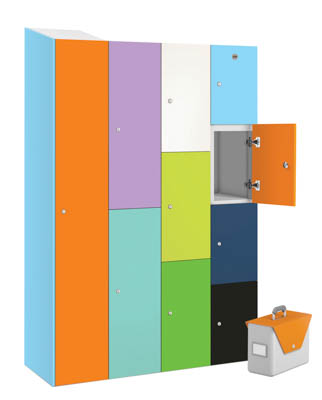
Start with the Changing-Room Layout
Before choosing a locker, measure the room carefully and decide where locker banks, benches, entrances, exits and circulation routes will sit.
The aim is not simply to fit the maximum possible number of lockers into the available space. Users still need room to open doors, move around benches, change comfortably and access the lockers without creating congestion.
- Measure wall lengths and usable floor space.
- Allow for locker-door opening.
- Keep main circulation routes clear.
- Plan around benches and changing areas.
- Check access around entrances and exits.
- Allow space for cleaning and maintenance.
For detailed room planning, see our Locker Layout Planning Guide UK.
How Many Gym Lockers Do You Need?
The number of lockers should reflect peak use rather than total membership.
A gym with large membership numbers but staggered attendance may need fewer lockers than a smaller facility where many users arrive at the same time.
- Estimate peak simultaneous users.
- Consider separate male, female or mixed changing areas where applicable.
- Decide whether lockers are temporary-use or assigned.
- Allow some spare capacity for busy periods.
- Consider whether small-item lockers can supplement full-size lockers.
Choose the Right Locker Material
Locker material should be selected around the environment rather than appearance alone.
| Locker material | Typical application | Main consideration |
|---|---|---|
| Powder-coated steel | Dry gyms, staff areas and general changing rooms | Good all-round option but environment and moisture levels still matter |
| Laminate door lockers | Leisure and higher-spec changing rooms | Wide range of finishes and configurations |
| Plastic lockers | Wet, humid or corrosive environments | Useful where resistance to moisture is important |
| Specialist wet-area lockers | Pools, spas and wet changing rooms | Materials and components should suit regular moisture exposure |
For a broader comparison, see our Locker Materials Guide UK.
Dry Gym vs Wet Changing-Room Lockers
A dry gym changing room and a poolside changing area should not automatically use the same locker specification.
Where showers, pools, steam rooms or high humidity are present, the locker body, doors, hinges, locks and fittings should all be appropriate for the environment.
- Check moisture and humidity levels.
- Consider drainage and standing water.
- Use suitable locker materials.
- Choose locks and fittings suited to the environment.
- Allow suitable room ventilation.
See our Wet & Dry Changing Room Design UK guide for more detail.
Gym Locker Size and Configuration
The correct locker size depends on what members need to store.
Full-height lockers may suit users arriving with coats, work clothes and larger bags, while smaller compartments can work well for wallets, phones, keys and compact gym bags.
| Configuration | Typical use |
|---|---|
| Single-door | Coats, bags, clothing and larger personal items |
| Two-door | General changing-room storage with increased capacity |
| Three- or four-door | Smaller bags, clothing and shorter-term storage |
| Small-item compartments | Phones, wallets, keys and compact valuables |
A mixed installation can often work better than filling the entire room with one compartment size.
Choosing Gym Locker Locks
The locking system affects both the member experience and the amount of administration required from staff.
| Lock type | Advantage | Management consideration |
|---|---|---|
| Key lock | Simple and familiar | Keys can be lost and need replacing |
| Hasp lock | Allows users to bring their own padlock | Facility needs a policy for abandoned padlocks |
| Coin lock | Suitable for leisure and public-use lockers | Coin return or retention method must suit the site |
| Mechanical combination lock | No physical key required | Forgotten combinations need a management process |
| Electronic keypad lock | Keyless access with private or shared-use options on suitable models | Battery and override procedures must be managed |
| RFID lock | Can provide quick credential-based access | Credential compatibility must be confirmed |
For detailed lock comparisons, see our Leisure Locker Access Systems UK guide and Locker Locking Systems guide.
Public-Use vs Assigned Gym Lockers
The way lockers are allocated should be decided before the locking system is chosen.
Public-use lockers
Public-use lockers are normally used temporarily by different members throughout the day. They suit gyms and leisure centres where users select an available locker when they arrive.
Assigned lockers
Assigned lockers remain allocated to a particular member or member of staff for a longer period. These can use a different lock and management approach because the same person retains access.
Gym Locker Ventilation
Gym lockers commonly contain clothing, footwear and towels, so ventilation should be considered as part of the overall specification.
- Keep ventilation slots and perforations clear.
- Consider perforated doors where appropriate.
- Allow room-level airflow around locker banks.
- Avoid overfilling compartments.
- Manage persistent moisture rather than relying on locker ventilation alone.
Ventilation can help reduce stagnant air and trapped moisture, but it does not replace regular cleaning or suitable room ventilation.
For more detail, see our Locker Ventilation UK guide.
Gym Locker Cleaning and Hygiene
High-turnover changing rooms need a realistic cleaning routine that covers more than the visible locker doors.
- Clean high-touch handles and locks.
- Clean locker interiors when compartments are empty.
- Remove abandoned belongings in accordance with site procedures.
- Keep ventilation openings clear.
- Clean floors around locker banks.
- Include benches and surrounding changing areas.
See our Locker Cleaning & Care Guide UK for the dedicated subject.
Changing-Room Benches and Gym Lockers
Locker and bench layouts should be planned together. A well-sized locker bank can still create a poor changing-room layout if benches leave insufficient circulation space or obstruct locker doors.
- Allow sufficient space between benches and locker fronts.
- Consider single-sided or double-sided benches.
- Keep main aisles clear.
- Allow access for cleaning.
- Consider hooks and shoe storage where useful.
For seating options, see our Changing Room Benches UK guide.
Accessible Gym Locker Planning
Accessibility should be considered as part of the overall changing-room design rather than added after the main locker layout has been fixed.
Locker height, reach, operating method, clear floor space and circulation should all be reviewed against the requirements that apply to the facility.
Where a project has formal accessibility requirements, check the relevant current standards and building guidance rather than relying on a generic locker dimension.
Gym Locker Colours and Finishes
Colour can help the lockers fit the design of the gym and can also be used practically to identify different changing zones or locker banks.
Available colours and finishes depend on the locker range and material, so check the current manufacturer’s options rather than designing around a finish that may not be available.
See our Locker Colours & Finishes UK guide for more detail.
Budgeting for Gym Lockers
Locker cost is affected by more than the cabinet itself.
- locker material;
- number of compartments;
- lock type;
- door finish;
- stands or plinths;
- sloping tops;
- number plates;
- bench seating;
- delivery; and
- installation where required.
A lower initial price is not automatically the lowest long-term cost. The locker should suit the environment and operating model so that avoidable repairs or premature replacement are reduced.
For wider cost planning, see our Locker Costs UK guide.
Gym Locker Installation
Installation requirements depend on the locker type, layout and site.
Before delivery, check:
- doorways and access routes;
- stairs or lifts;
- floor condition;
- whether lockers require nesting or fixing;
- wall conditions where relevant;
- bench locations;
- unloading arrangements; and
- whether the room will be clear for installation.
Common Gym Locker Planning Mistakes
- Choosing lockers before measuring the room properly.
- Trying to maximise locker numbers at the expense of circulation.
- Using dry-area lockers in unsuitable wet environments.
- Selecting a lock without deciding how lockers will be allocated.
- Providing only one compartment size for every user.
- Ignoring ventilation and moisture.
- Planning lockers separately from benches.
- Forgetting cleaning access.
- Choosing an overly complex lock where a simpler system would work.
- Ignoring future replacement keys, batteries or lock-management requirements.
Gym Locker Buying Checklist
- Room dimensions confirmed?
- Peak user numbers estimated?
- Wet or dry environment identified?
- Locker material selected?
- Compartment sizes decided?
- Public-use or assigned lockers?
- Locking system selected?
- Ventilation considered?
- Bench layout checked?
- Accessibility considered?
- Colours and finishes confirmed?
- Delivery access checked?
- Installation requirements confirmed?
Gym Locker FAQs
What type of locker is best for a gym?
The best locker depends on the changing-room environment, user numbers, storage requirements and locking system. Steel, laminate, plastic and specialist wet-area lockers can all be suitable in different gym applications.
What size should gym lockers be?
Locker size should reflect what members need to store. Full-height lockers suit coats and larger bags, while multi-door or small-item lockers can provide greater capacity where users carry fewer belongings.
What locks are best for gym lockers?
Key locks, hasps, coin locks, mechanical combination locks, electronic keypad locks and RFID systems can all be suitable. The best choice depends on whether lockers are assigned or shared and how the facility wants to manage access.
Do gym lockers need ventilation?
Ventilation can help reduce stagnant air and trapped moisture around clothing and footwear, but locker ventilation should work alongside suitable room ventilation and regular cleaning.
Can steel lockers be used in gyms?
Yes. Steel lockers are widely used in dry gym and changing-room environments. Where moisture or humidity is consistently high, the material and finish should be checked for suitability.
Are plastic lockers better for wet changing rooms?
Plastic lockers can be a strong option where moisture and humidity are significant because they do not rust, but the complete locker specification should still suit the intended wet-area environment.
Choose Gym Lockers Around the Way the Facility Operates
The strongest gym locker specification starts with the way the changing room will actually be used. User numbers, room layout, moisture, locker size, lock type and bench position should be considered together rather than as separate purchasing decisions.
Browse our gym locker range or contact Total Locker Service for help with sizes, materials, locking systems and changing-room planning.
Discover more from Blog Total Locker Service
Subscribe to get the latest posts sent to your email.