Golf Locker Room Design Ideas for Better Member Flow and Changing Comfort
March 18, 2026
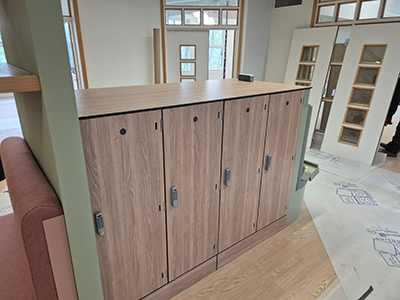
A well-designed golf locker room should do more than hold clubs, shoes and personal belongings. It should support the full member experience. From arrival to changing, storage and departure, the layout and finish of the room can shape how practical, welcoming and professional the club feels.
That is why many clubs now look beyond simply replacing old lockers. They want better use of space, smoother member flow and a cleaner, more modern appearance. The best golf locker room design ideas combine attractive finishes with durable materials, sensible layout planning and storage that suits the way golfers actually use the room.
In this guide, we look at practical golf locker room design ideas for clubs that want to improve comfort, appearance and day-to-day usability without losing sight of durability and security.
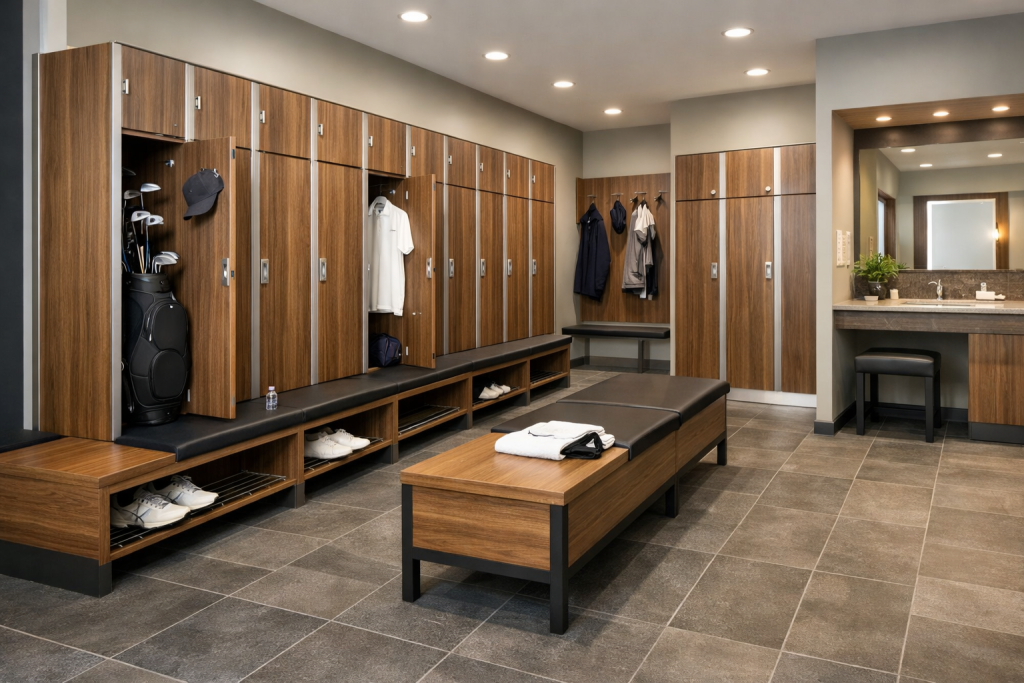
Start with the way members move through the room
Good locker room design begins with flow. Members need enough space to enter, change, store their belongings and move around comfortably. If aisles are too narrow, locker doors clash or benches block access, even a smart-looking room can feel awkward in use.
One of the most useful design steps is to think about the room as a journey. Where do members enter? Where do they set down bags? Where do they change shoes? Where do they need a seat? Where do they hang garments? These simple questions often reveal layout issues that can be solved before new lockers are ordered.
Rooms that work well tend to allow easy movement between lockers, benches and exits. They also avoid crowding around popular bays or creating dead corners that feel cramped or poorly lit.
Choose locker sizes that suit golf club use
Golf locker rooms often need to accommodate a mix of clothing, shoes, accessories and personal items. In some clubs, members may also want space for waterproofs, hats, spare layers and changing kit. That means locker dimensions should reflect actual use, not just available wall space.
Tall lockers can work well where hanging space is important. Wider compartments may be useful for clubs wanting a more premium feel. In other areas, smaller day-use lockers may support visitors, guests or overflow storage. The right answer depends on whether the room is mainly for full members, casual golfers, mixed use or staff.
Many clubs also prefer a consistent visual line across the room, so locker sizing should support both storage needs and overall design balance.
Use materials that look smart but handle heavy use
Golf clubs often want a more refined look than a basic workplace changing room. Members expect a tidy, attractive environment that reflects the quality of the club. At the same time, the room still has to cope with moisture, shoes, regular cleaning and frequent daily use.
This is why golf lockers with a steel carcase and compact grade laminate doors are such a popular option. The steel body provides strength and structure, while the laminate door finish gives a more polished appearance and excellent resistance to wear. It also helps clubs create a more premium changing room without moving into fragile or high-maintenance finishes.
Clean lines, durable surfaces and quality fittings all help a refurbished locker room feel more professional for longer.
Think carefully about bench placement
Benches are often overlooked in early planning, yet they make a major difference to usability. Members need somewhere comfortable to sit while changing shoes, sorting kit or preparing for the course. Without enough seating, the room can quickly feel inconvenient, especially at busier times.
The key is placement. Benches should support access rather than block it. Central bench runs can work well in larger rooms, while wall-side seating may suit narrower layouts. In either case, there needs to be enough clearance for locker doors, passing traffic and general movement.
In some golf club refurbishments, bench seating with coat hooks or integrated storage can also help make the room feel more organised and complete.
Improve the visual finish with coordinated colours and door styles
A golf locker room does not need to be overly elaborate to look impressive. Often, the best results come from clean colour coordination, consistent door styles and a tidy overall finish. Neutral tones, wood-effect laminates and darker trim details can all help the room feel more contemporary and premium.
Many clubs choose finishes that reflect other parts of the building, such as reception furniture, bar areas or washroom design. This creates a stronger sense of continuity across the site. It also helps the locker room feel like part of the club experience rather than an afterthought.
When planning a refurbishment, it is worth thinking about how the lockers will look alongside flooring, wall colours, lighting and seating. A coordinated scheme usually has far more impact than focusing on lockers in isolation.
Do not ignore ventilation and drying practicalities
Golf changing rooms often deal with damp outerwear, shoes and seasonal kit. That means ventilation matters. A room that looks smart on installation day can become uncomfortable if it does not support drying and air movement properly.
Clubs should consider how the room copes after wet-weather play, especially during autumn and winter. Locker design, spacing and room layout all play a part. Adequate ventilation helps reduce stale odours and keeps the area feeling fresher for members.
This does not always require a major redesign, but it does mean the room should be planned for realistic use rather than ideal conditions only.
Include practical details that improve everyday use
Some of the best golf locker room design improvements are simple ones. Coat hooks, number plates, sloping tops, easy-clean plinths and well-positioned mirrors all add to the day-to-day experience. So do sensible locking options, especially where clubs want members to feel their belongings are secure.
Small details can also support staff. Easier cleaning access, durable surfaces and a more ordered layout reduce maintenance headaches and help the room stay presentable. This matters because a golf locker room is judged not only on opening day, but every week after that.
Plan for a mix of members, guests and occasional users
Not every user needs the same type of storage. Full members may want assigned lockers, while guests may only need temporary space during a visit. Some clubs also host events, societies or mixed sporting use, which creates different demands on the room.
Designing with this in mind can make the room more flexible. A combination of longer-term lockers and smaller occasional-use compartments may improve the overall offer. It can also help clubs manage space more efficiently without compromising the experience for regular members.
Flexibility is particularly useful in clubs that are upgrading older rooms and want to future-proof the investment.
Use lighting to make the room feel more open
Lighting has a major effect on how a locker room feels. Poor lighting can make even a refurbished room seem dated, cramped or dull. Brighter, better-balanced lighting helps the space feel cleaner, safer and more welcoming.
Where possible, clubs should aim for even illumination throughout the room, especially in changing areas, between locker rows and near mirrors. Good lighting also improves the appearance of door finishes and helps premium locker materials stand out properly.
It is one of the most cost-effective ways to improve the overall result of a golf locker room refurbishment.
Make cleaning and maintenance easier
Design should always consider upkeep. Golf clubs need locker rooms that stay smart without constant effort. Surfaces that clean easily, durable doors, sensible floor clearance and layouts that avoid dirt traps all help staff keep standards high.
This is one reason why practical design often outperforms decorative excess. A simple, well-planned room with robust lockers can continue looking good for years, while a more complex scheme may age badly if it is harder to maintain.
Refurbishment is the right time to rethink the whole space
Many clubs begin with the idea of replacing old lockers, then realise the wider room could work much better with a few broader changes. Refurbishment is the ideal time to review spacing, seating, circulation, finishes and storage mix together.
Rather than simply fitting new lockers into an old arrangement, it often makes more sense to use the project as a chance to improve the complete changing room. That can lead to better member satisfaction and a stronger long-term result.
If your club is reviewing options, you may also want to look at our golf lockers for examples of durable locker solutions designed for changing rooms and leisure environments.
Final thoughts
The best golf locker room design ideas are not only about style. They are about making the room easier to use, more comfortable for members and more practical for the club to maintain. Good layout, durable materials, sensible locker sizes and coordinated finishes all play a part.
For clubs upgrading their changing rooms, the goal should be a space that feels welcoming, organised and built to last. When the design is right, the locker room becomes more than storage. It becomes part of the overall club experience.
Discover more from Blog Total Locker Service
Subscribe to get the latest posts sent to your email.