Blog Total Locker Service

Blog storage solutions

Browsing:

Category: Secure Storage

How to Investigate a Medicines Incident in a Care Home

Medicines Audit in Care Homes

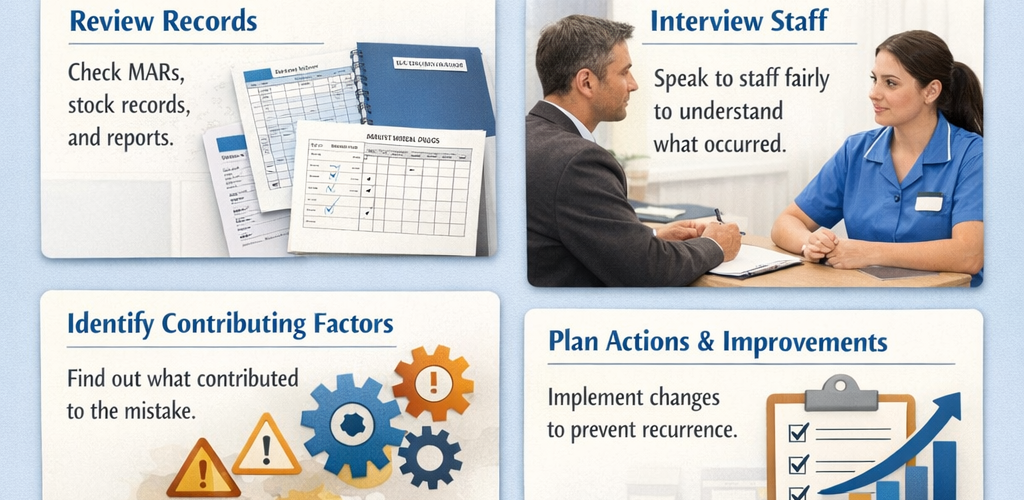
A medicines incident in a care home should never be treated as a simple mistake to file away and forget. Even when no harm has occurred, the incident still tells you something important about the system. It may show a gap in storage, a weakness in record keeping, a problem with communication or a training issue that has not yet been addressed properly. Good investigation turns that evidence into action.
How to Train Care Home Staff in Safe Medicines Handling

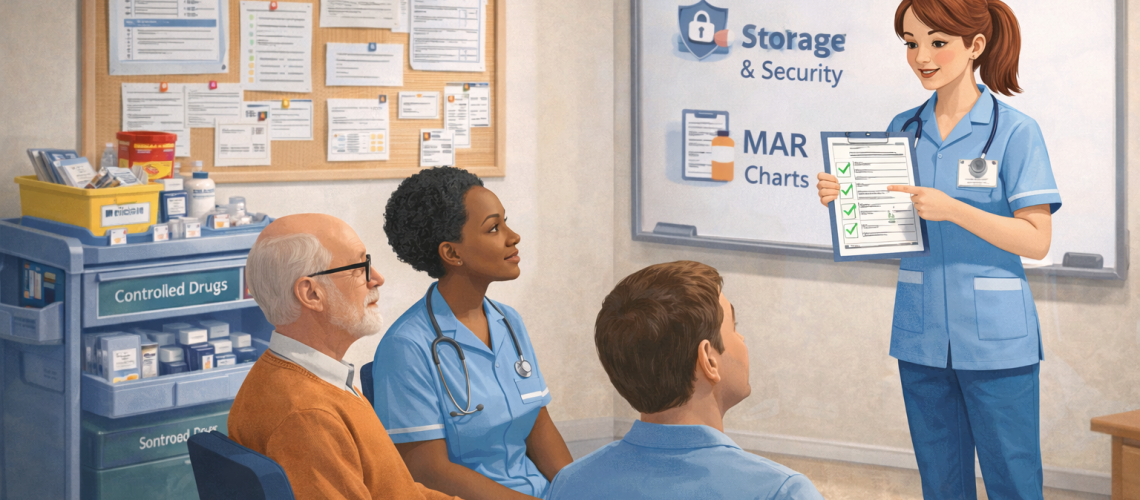
Care home staff training session on safe medicines handling with MAR charts, medicines storage and administration procedures

Safe medicines handling in a care home depends on people as much as process. Cabinets, trolleys, MAR charts and policies all matter, but none of them work properly without staff who understand what to do, why it matters and how to respond when something is not right. Training is therefore not a one-off box to tick. It is an ongoing safety system.


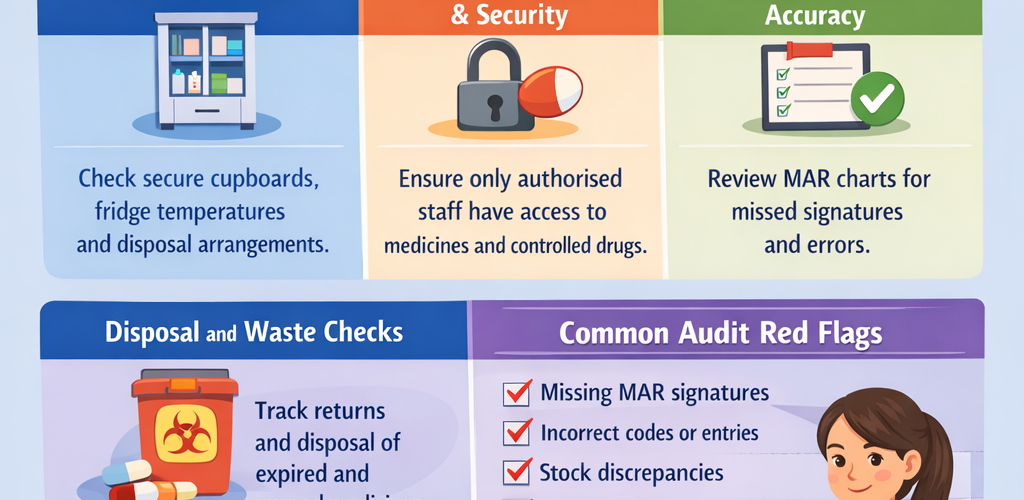
How to Audit Medicines Management in a Care Home: Storage, Access and Record Accuracy

How to audit medicines in care homes

Medicines audits help care homes move from assumption to evidence. A service may feel organised day to day, but an audit shows whether medicines are actually being stored safely, accessed properly and recorded accurately. NICE says care homes should have clear policies for receiving, storing and disposing of medicines, while its care home medicines checklist says these processes should be monitored and audited. CQC also states that adult social care providers must maintain secure, accurate and up-to-date medicines records.


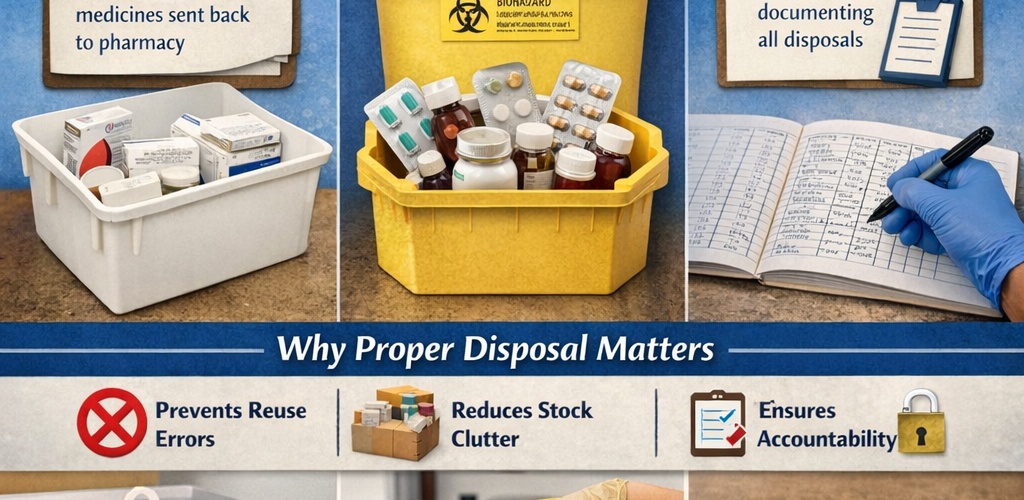
Medicines Disposal in Care Homes: Returns, Waste and Record Keeping

medicines disposal in care homes

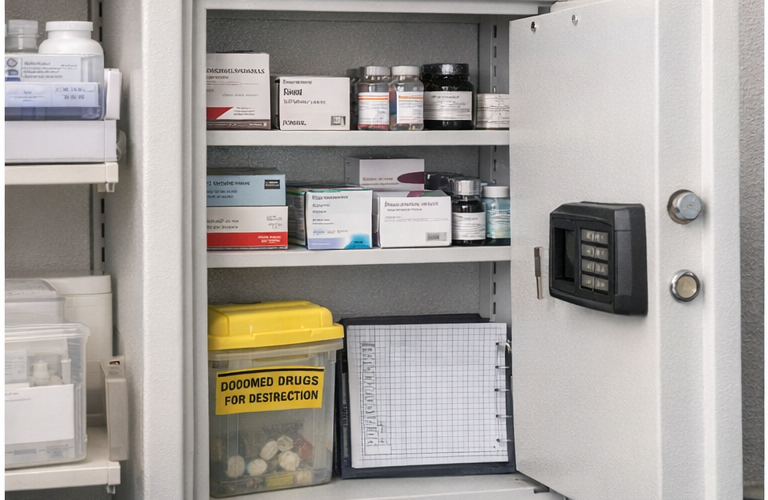
Medicines disposal in a care home is not just an end-of-line housekeeping task. It is part of safe medicines management from start to finish. Once a medicine is no longer suitable for use, is expired, has been discontinued, has been damaged or is no longer needed for a resident, it should be removed from active stock and handled through a clear disposal process.


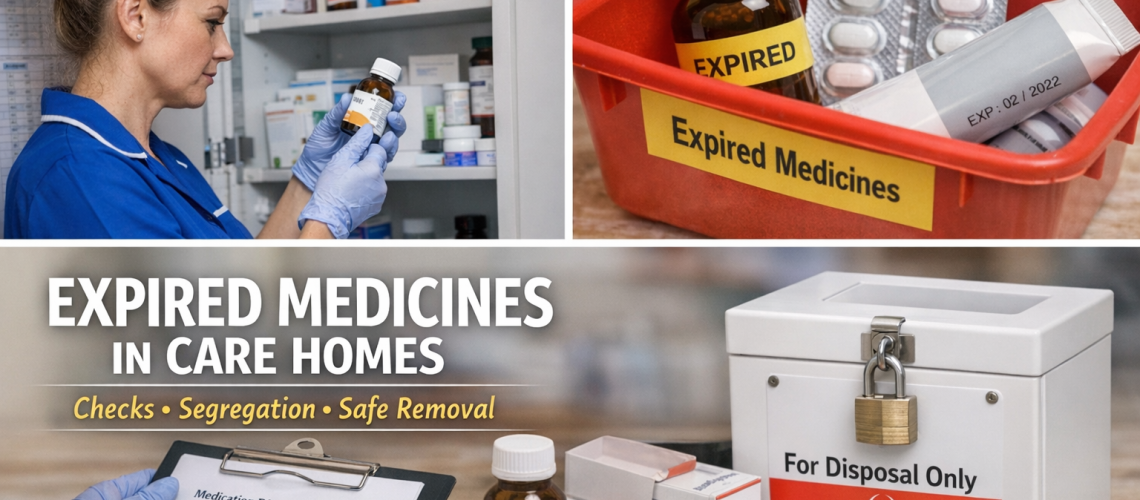
Expired Medicines in Care Homes: Checks, Segregation and Safe Removal

Expired medicines in a care homes

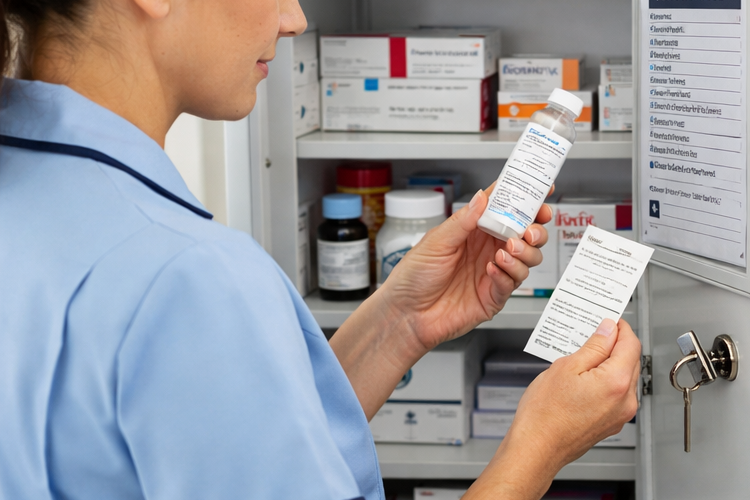
Expired medicines can create risk even when they remain sealed, labelled and apparently untouched. In a care home, it is not enough to assume that an item is safe simply because it is still sitting in the medicines cupboard or fridge. Once a medicine passes its expiry date, or reaches its in-use limit after opening where that applies, it should no longer remain mixed in with active stock.


Medication Fridges in Care Homes: Safe Storage, Temperature Control and Access Management

Temperature controlled drug storage

It may be tempting to use a standard kitchen-style fridge, especially in a smaller setting, but medicine storage requires tighter control than food storage. A medication fridge should support more consistent temperature monitoring and reduce the risk of accidental misuse.


Controlled Drugs in Care Homes: Storage, Record Keeping and Key Control

Locked controlled drugs cabinet in a care home medicines room

Controlled drugs need a higher level of control than most other medicines. In a care home, that means more than simply locking a cupboard. Staff need a clear system for storage, access, recording, stock checks, discrepancies and disposal. When those processes are weak, the risk is not only theft or diversion. It is also missed doses, inaccurate balances, poor handovers and avoidable harm to residents.


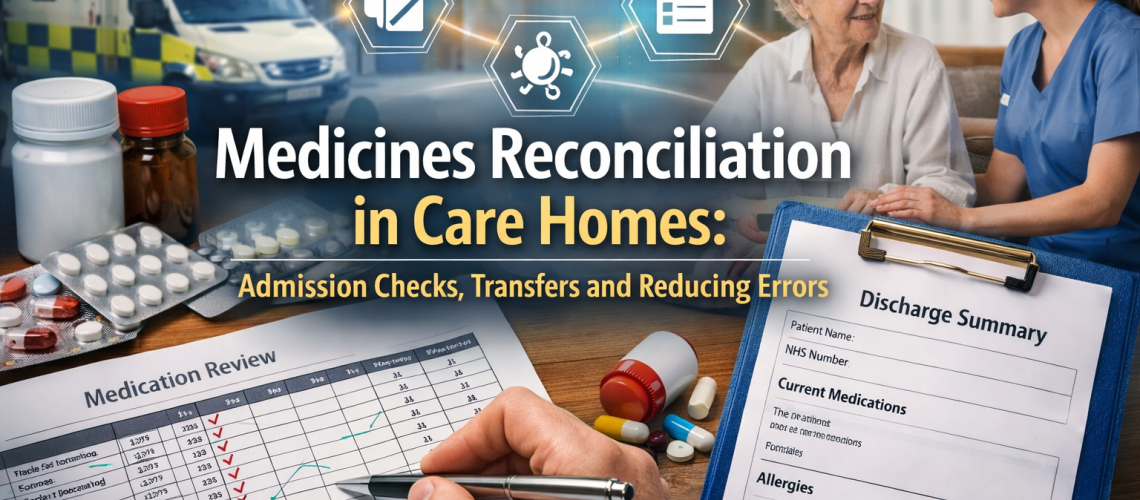
Medicines Reconciliation in Care Homes: Admission Checks, Transfers and Reducing Errors

CQC describes medicines reconciliation as accurately listing a person’s current medicines when they enter a service or when their treatment changes. The point is to reduce medicines errors when people move between care settings.

When a resident moves into a care home, returns from hospital or has treatment changed, one of the biggest medicines risks is not usually a dramatic prescribing mistake. It is a simple mismatch between what one service thinks the person is taking and what the next service actually gives. That is why medicines reconciliation matters so much in care homes. It is the process that checks whether the home has the right medicines information at the right time, before a wrong dose, missed medicine or duplicate supply turns into harm.


PRN Medicines in Care Homes: When to Administer, Record and Review

self medication in a care home

PRN medicines, sometimes called “when required” medicines, are a routine part of medicines management in many care homes. They are used when a resident needs treatment for a symptom or situation that does not always happen at the same time each day. This may include pain, nausea, indigestion, constipation, anxiety, insomnia or a reliever inhaler for breathing symptoms.


How to Carry Out a Medicines Storage Risk Assessment in a Care Home

Risk-assessment-care-home-storage

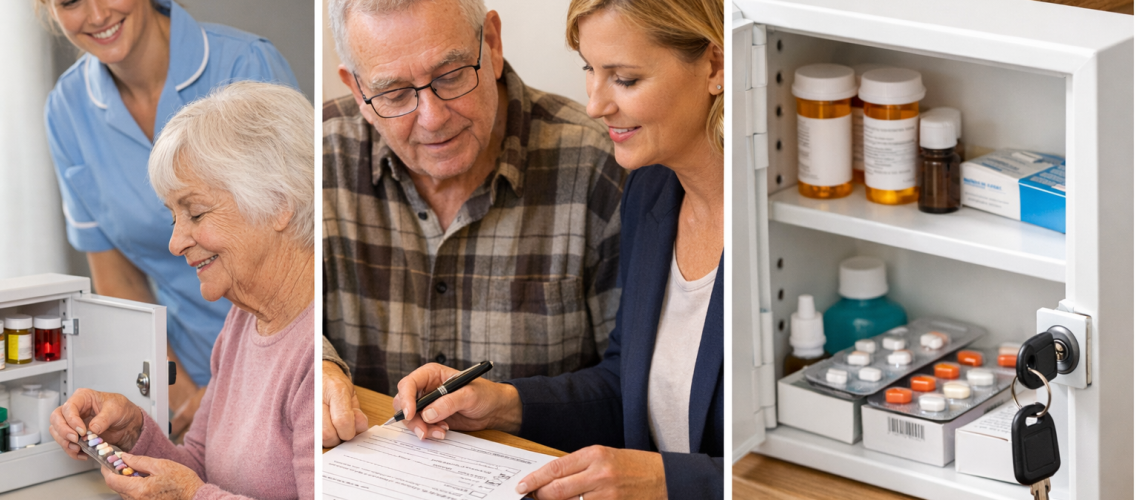
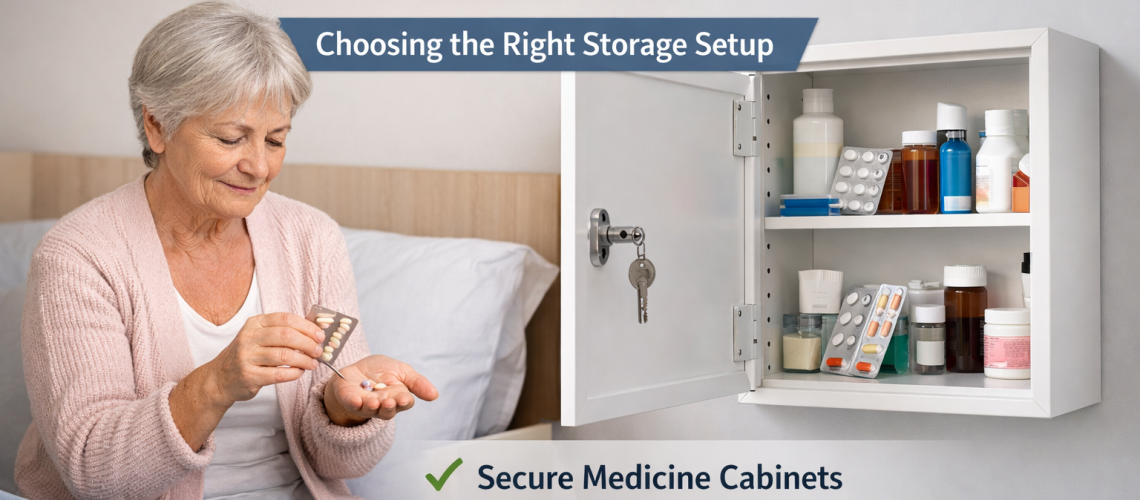
Medicines storage in a care home should never be an afterthought. A cupboard, cabinet or drawer may look secure, but if it does not match the resident’s needs, the medicine type and the way care is actually delivered, the system can quickly become weak. A proper medicines storage risk assessment helps care providers make practical decisions that support safety, accountability and independence.