PPE and Uniform Lockers for Workplaces: How to Separate Clean and Dirty Storage
April 1, 2026
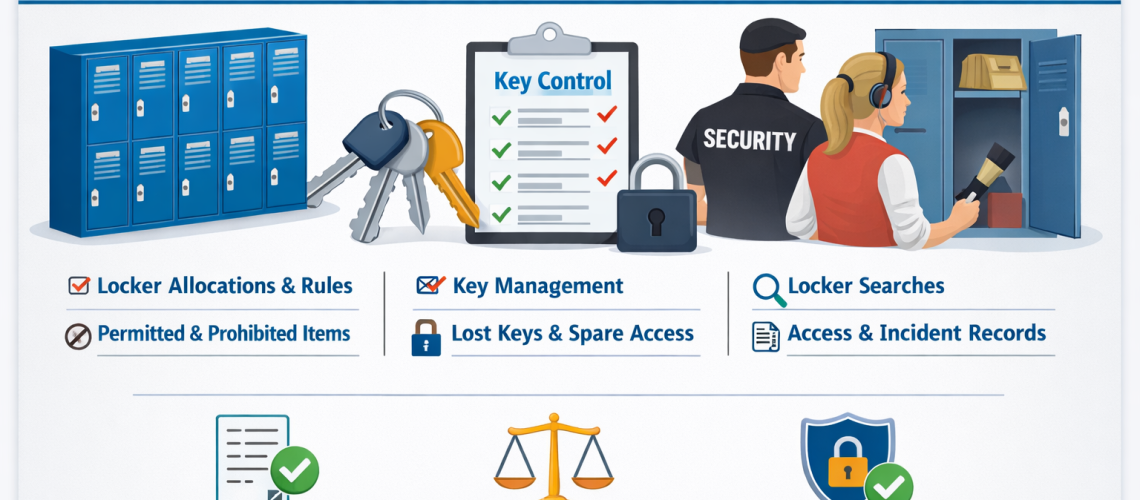
PPE and uniform lockers help workplaces manage staff storage more effectively where clothing, footwear and protective equipment are part of the daily routine. They support cleaner staff areas, reduce confusion and make it easier to separate personal belongings from workwear. In many environments, that separation is not just practical. It is an important part of how the space functions.
A standard personal locker may be enough in some offices, but it is often not the right answer where employees change clothing, store protective items or need to keep clean garments separate from used ones. In those settings, locker planning needs to reflect the workflow of the workplace rather than relying on a simple one-size-fits-all approach.
This guide explains how PPE lockers, uniform lockers for staff and clean dirty storage lockers can support better staff storage, cleaner changing areas and more practical workplace routines. For the main workplace lockers guide, visit the hub page. If you are already comparing products, see our workplace lockers page for staff lockers and commercial staff storage.
Why clean and dirty separation matters
Not every workplace needs separate storage for clean and used items. However, many do. Staff may arrive in their own clothes, change into a uniform, put on protective equipment and move into an operational area. At the end of the shift, that process runs in reverse. If the locker setup does not support it, the room can quickly become cluttered, awkward and harder to manage.
Separation helps in simple, practical ways. Clean uniforms are easier to keep organised. Used garments are less likely to end up mixed with personal clothing. Footwear, outerwear and equipment can be stored in a more controlled way. That supports tidier staff areas and a more consistent routine for the people using them.
It can also improve the daily experience of the room. Staff spend less time working around cramped storage. Managers have clearer control over how the area is used. Cleaning becomes easier when the layout and locker format match the routine properly.
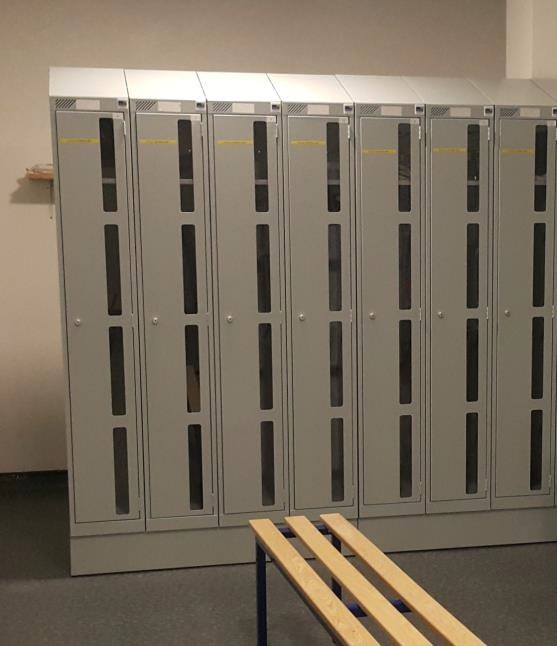
Which workplaces benefit most from PPE and uniform lockers?
These lockers are especially useful in environments where staff need to change before starting work or where workwear needs to be kept apart from personal items.
- warehouses and logistics sites
- factories and production areas
- engineering and maintenance workplaces
- facilities and cleaning teams
- food-related workplaces
- industrial and operational staff welfare areas
- mixed-use sites with changing rooms and uniform issue points
In all of these settings, the same principle applies. The locker should support the real staff routine. That might mean space for boots, PPE, high-visibility clothing, a uniform change or separate storage for clean and used garments. A basic personal locker often cannot do all of that well.
This is one reason why a proper staff locker planning guide needs to look at workflow, not just dimensions.
What counts as PPE and uniform storage?
PPE and uniform storage is broader than many buyers first expect. It can include:
- high-visibility clothing
- jackets and overalls
- protective footwear
- hard hats and helmets
- gloves and eye protection
- staff uniforms
- personal clothing worn to and from work
- bags and small personal belongings
As soon as these items are involved, locker planning becomes more complex. Staff may need hanging space, lower storage for boots, separate sections for different item types or enough room to keep personal clothing away from used workwear. The right locker format depends on how those needs combine on site.
How clean dirty storage lockers work
Clean dirty storage lockers are designed to keep different categories of items apart within the same overall storage system. Sometimes that is done with separate internal sections. In other cases, it is handled through dual compartments, split-door layouts or clearly assigned locker banks within the room.
The purpose is practical rather than decorative. Staff should be able to store clean clothing or replacement uniform items without mixing them with used garments, boots or heavily handled PPE. Personal items also need to stay separate from the parts of the routine that relate to workwear and protective equipment.
That separation does not have to be overcomplicated. The best solutions are usually the ones that staff understand immediately and can follow without extra effort. If the system is too awkward, people will work around it, which undermines the whole point of the installation.
Personal storage should not be an afterthought
One common mistake is to focus so heavily on uniforms and PPE that personal belongings are forgotten. Staff still arrive with coats, bags, phones, wallets, lunch items and ordinary clothing. If the locker only works for workwear, those personal items often end up squeezed into the wrong place or left outside the locker altogether.
A well-planned locker system allows both sides of the routine to work. Staff need space for what they bring in, what they change into and what they take out again at the end of the day. That is why uniform lockers for staff often work best when they combine practical workwear storage with sensible personal capacity.
Locker formats that support PPE and uniform storage
There is no single perfect format for every site, but some locker types are more useful than others where clean and dirty separation matters.
Full-height lockers
These can work well where staff need room to hang garments, store larger bags or keep workwear off the floor. They are often a practical option in changing rooms and welfare areas.
Split-compartment lockers
Split designs can help keep different item types apart. For example, one section may be used for personal clothing while another holds workwear or equipment.
Two-person and dual-use lockers
Some layouts are designed to give each user separate storage zones within a shared footprint. These can be useful where capacity matters but a simple single compartment is not enough.
Boot and lower-item storage arrangements
Where protective footwear is part of the routine, lower storage becomes more important. Staff need a practical place for boots without crushing clothing or filling the whole compartment with footwear.
The most effective choice depends on the actual routine. That is why this topic links closely to our guides on how to choose workplace lockers and workplace locker layouts and lock options.
Why layout matters in uniform and PPE changing areas
The locker itself is only part of the solution. The room has to work around it. In areas where staff change footwear, remove outerwear or handle work items before and after shifts, the layout can make the difference between a smooth routine and daily congestion.
Benches, aisles, door clearances and movement routes all need to be considered properly. If lockers open into narrow walkways or if there is no space to change comfortably, staff will struggle to use the room as intended. Even a good locker specification can fail in a poor layout.
That is why PPE and uniform storage should be planned alongside the staff area as a whole. The changing process, not just the product, should shape the design. For broader planning ideas, see our guide to workplace locker sizes and layouts.
Assigned lockers usually make more sense here
In many workplaces that use uniforms or PPE, assigned lockers are more practical than shared-use systems. Staff often attend regularly, use the same routine every day and rely on having consistent access to their own storage. That makes it easier to keep personal items, workwear and equipment organised.
Shared lockers can still work in some situations, but they are usually better suited to lighter personal storage or flexible office use. Where clothing changes and PPE routines are involved, consistent assignment often supports cleaner, more dependable day-to-day use.
How lock choice affects PPE and uniform lockers
Lock choice still matters in these environments. Staff need quick, practical access at the start and end of the shift, but the employer also needs sensible control over keys, overrides or forgotten codes. The right answer depends on the size of the workforce, the admin burden the site can handle and how frequently access problems occur.
Assigned lockers often work well with key locks or mechanical combinations, provided the site has a clear process for key control or code resets. In larger workplaces, access methods may need to support faster management intervention when staff lose entry to the locker.
For a fuller look at locker lock types, see our separate guide to the best lock options for workplace lockers.
Cleaning access and maintenance should be built in from the start
Storage areas used for uniforms, footwear and PPE can become harder to maintain if the layout is too tight or the lockers do not suit the routine. Dirt, dust and daily wear build up more quickly where boots, outerwear and equipment are handled. That makes cleaning access especially important.
Lockers should be placed so the surrounding floor can be cleaned properly. The room should also allow enough space for staff to use the lockers without pushing bags, footwear or garments into walkways. Practical maintenance is part of the specification, not a separate issue for later.
Common mistakes in PPE and uniform locker planning
- using standard personal lockers without thinking about workwear routines
- failing to separate clean garments from used items
- forgetting to provide space for boots or protective footwear
- treating personal belongings as an afterthought
- cramming too many lockers into a changing area
- ignoring benches, circulation and door clearance
- choosing a locker format before defining what staff actually store
Most of these issues come from viewing the locker as a simple cabinet rather than as part of the staff workflow.
How to choose the right PPE lockers for the workplace
The best approach is to start with the routine. Look at what staff wear when they arrive, what they change into, which protective items they use and how the room functions during the busiest part of the shift pattern. Once those details are clear, the right locker type becomes much easier to define.
Where staff need hanging space, bulky footwear storage or clear separation between clean and used items, the locker specification should reflect that from the beginning. It is usually better to design around the actual process than to buy a standard locker and try to force the routine around it later.
When the planning stage is complete and you are ready to compare products, visit our workplace lockers page for workplace and staff storage options.
Conclusion
PPE and uniform lockers support much more than basic storage. They help workplaces separate clean and used items, protect personal belongings, improve staff routines and make changing areas easier to manage. In the right environment, they are part of how the workplace operates, not just a piece of furniture.
The best systems are shaped by the daily routine of the staff using them. That means thinking about clothing changes, boots, PPE, personal items, layout, access and cleaning together. For the wider topic structure, return to the workplace lockers guide. For product-focused next steps, visit our commercial staff storage page.
Frequently asked questions
What are PPE lockers used for?
PPE lockers are used to store protective clothing, footwear and equipment in a more organised way. They often help keep those items separate from personal belongings and ordinary workwear.
Do uniform lockers need clean and dirty separation?
In many workplaces, yes. Separation helps keep clean garments apart from used clothing, footwear and other heavily handled items.
Are standard staff lockers suitable for uniforms and PPE?
Not always. Standard personal lockers can be too limited where staff need room for boots, hanging garments, protective items or separate storage zones.
Should PPE and uniform lockers be assigned or shared?
Assigned lockers are usually more practical where staff attend regularly and follow the same clothing routine each day.
What matters most when planning clean dirty storage lockers?
The key points are the actual staff routine, the types of items being stored, the need for separation, the room layout and the ease of cleaning and access.
Discover more from Blog Total Locker Service
Subscribe to get the latest posts sent to your email.