PPE Storage Requirements UK: Workplace Compliance Guide (2026)
February 26, 2026
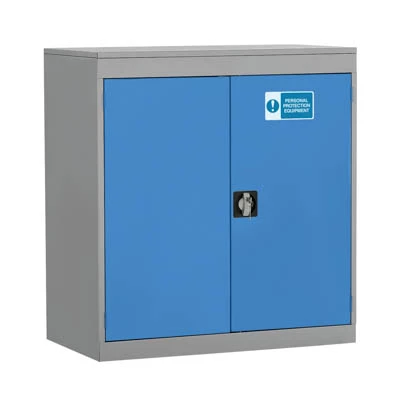
Understanding PPE storage requirements UK-wide is essential for employers, facilities managers and health and safety officers responsible for protecting staff. The Personal Protective Equipment at Work Regulations 1992 (as amended) require employers to provide suitable personal protective equipment — and to store it correctly.
Improper storage can compromise hygiene, reduce equipment lifespan and invalidate risk controls. This guide explains workplace PPE storage regulations, HSE expectations and how to specify compliant storage systems in 2026.
For broader regulatory context, see our UK Secure Storage Compliance Guide 2026.
What Do UK Regulations Require?
What Do PPE Storage Regulations Require?
The Personal Protective Equipment at Work Regulations require that PPE provided to employees is:
- Properly stored when not in use
- Maintained in efficient working order
- Kept hygienic
- Protected from contamination
Official guidance is available from the Health and Safety Executive (HSE).
Why Proper PPE Storage Matters
Why Proper PPE Storage Matters
PPE that is damaged, contaminated or poorly stored may fail when required. This increases workplace risk and exposes employers to enforcement action.
- Helmets can deform if stacked incorrectly
- Respirators can be contaminated by dust
- High-visibility clothing can degrade if damp
- Gloves can deteriorate if exposed to chemicals
Suitable Storage Solutions
Suitable PPE Storage Solutions
Compliant PPE storage systems typically include:
- Dedicated PPE lockers
- Steel storage cupboards
- Ventilated compartments
- Segregated sections for clean and used items
- Lockable units to prevent unauthorised access
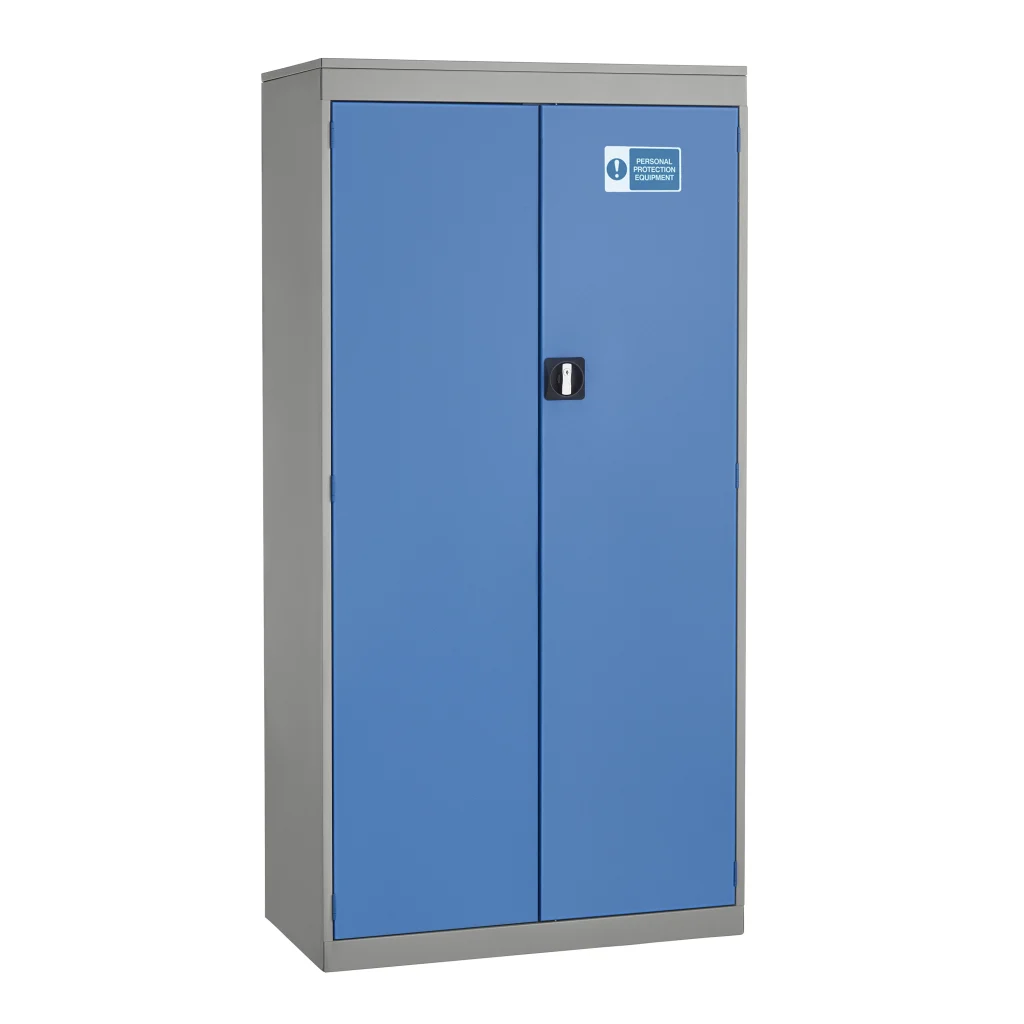
Explore robust Steel Lockers suitable for industrial PPE storage.
Segregation of Clean & Contaminated PPE
Clean & Contaminated PPE Segregation
Where PPE may become contaminated, employers must prevent cross-contamination. This is particularly important in:
- Construction sites
- Manufacturing plants
- Healthcare environments
- Laboratories
- Food production facilities
Dual-compartment lockers allow separation of workwear and personal clothing.
Ventilation & Moisture Control
Ventilation & Moisture Control
Damp PPE can degrade rapidly. Ventilated lockers reduce moisture build-up and odour retention. Powder-coated steel construction improves durability in demanding environments.
Industry-Specific Requirements
Industry-Specific PPE Storage Considerations
- Construction: Hard hat and boot compartments
- Manufacturing: Chemical-resistant storage
- Healthcare: Infection control compatibility
- Utilities: Electrically insulated equipment storage
Workplace Inspection & Audit Readiness
Inspection & Audit Readiness
During HSE inspections, employers may be asked to demonstrate:
- Risk assessment documentation
- Maintenance records
- Evidence of hygienic storage
- Provision of suitable lockers or cupboards
Choosing the Right PPE Storage Unit
How to Choose the Right PPE Storage Unit
- Assess number of users
- Consider environmental exposure
- Evaluate ventilation needs
- Review locking requirements
- Plan for future expansion
View our range of industrial Steel Storage Cabinets suitable for PPE and workplace equipment.
Common Compliance Mistakes
Common PPE Storage Compliance Mistakes
- Allowing PPE to be stored on floors
- Mixing contaminated and clean items
- Using non-durable domestic cupboards
- Ignoring moisture and ventilation
- Failing to document inspection checks
Frequently Asked Questions
Frequently Asked Questions
Are PPE lockers legally required?
The law requires suitable storage. In most workplaces, dedicated lockers or cupboards are necessary to meet this obligation.
Can PPE be stored in standard office cabinets?
Only if they are robust, hygienic and suitable for the risk environment.
Discover more from Blog Total Locker Service
Subscribe to get the latest posts sent to your email.