Lockers Guide: Types, Uses and Buying Advice (UK)
March 13, 2026
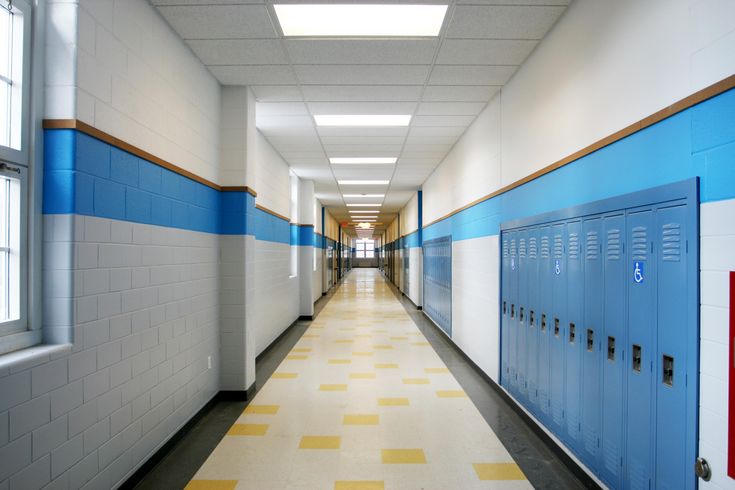
Lockers are widely used in schools, workplaces, gyms and leisure facilities to provide secure storage for personal belongings, clothing and equipment. Choosing the right lockers helps keep shared spaces organised while providing convenient storage for users.
This guide explains the different types of lockers available, where they are used and how to choose lockers for your facility.
What Are Lockers Used For?
Lockers are storage compartments designed for individual use. They are commonly installed in locations where multiple people need secure personal storage.
- Schools and universities
- Gyms and leisure centres
- Workplaces and factories
- Hospitals and staff changing rooms
Types of Lockers
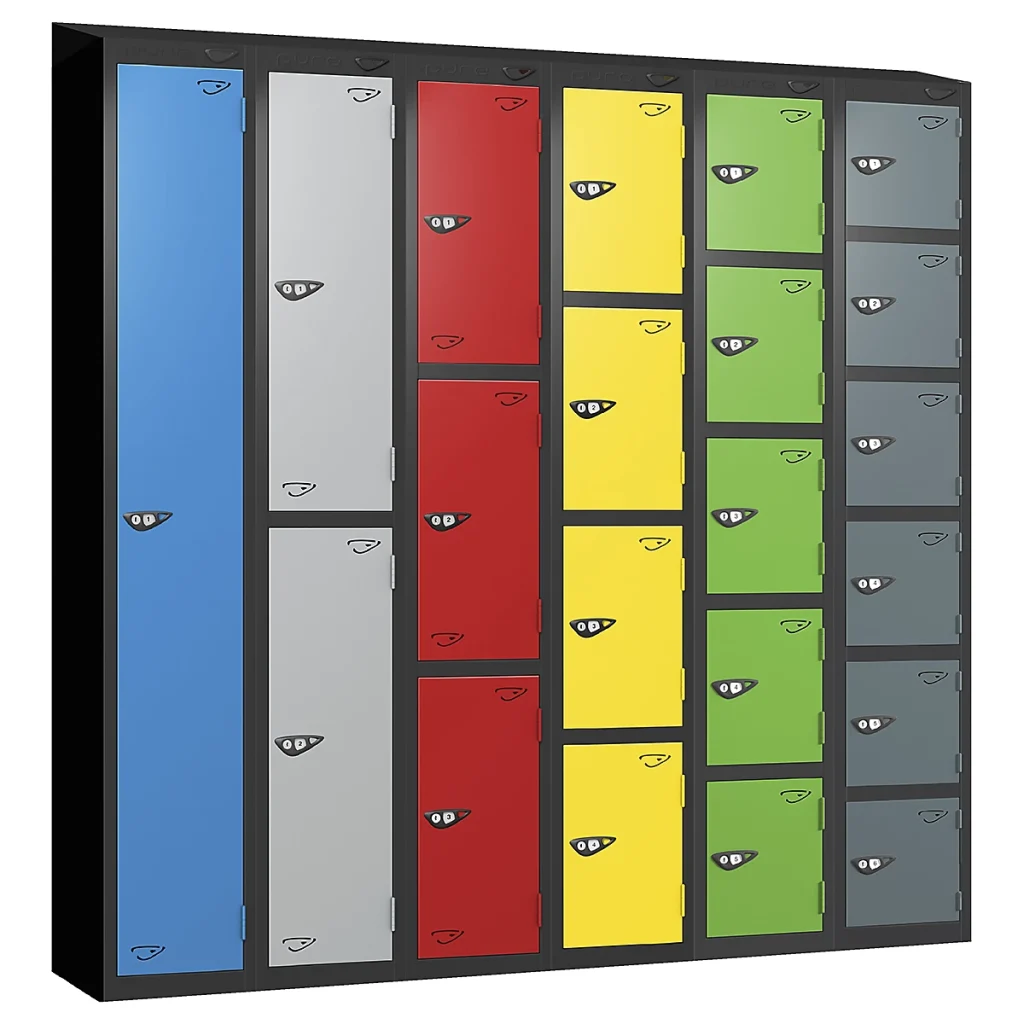
Lockers are available in several configurations depending on the number of compartments required.
- Single tier lockers
- Two tier lockers
- Four tier lockers
- Six tier lockers
Learn more in our guide to locker sizes and dimensions.
Locker Materials
Locker materials affect durability and suitability for different environments.
- Steel lockers – durable and widely used
- Laminate lockers – attractive finish for offices
- Plastic lockers – resistant to moisture
See our guide to locker materials.
Locker Locks
Locker locks provide security and determine how users access lockers.
- Key locks
- Combination locks
- Coin return locks
- Digital locker locks
Read our locker locks guide for more information.
Planning Locker Installations
Locker installations should be planned carefully to ensure safe access and efficient use of space.
- Allow clear walkways
- Ensure locker doors can open fully
- Provide adequate lighting
Learn more about locker room layout.
Choosing Lockers for Your Facility
When choosing lockers, it is important to consider the number of users, the space available and the items being stored.
Explore our range of lockers to find the right storage solution.
Discover more from Blog Total Locker Service
Subscribe to get the latest posts sent to your email.