How to Label and Number Lockers Properly for Schools, Workplaces and Changing Rooms
April 10, 2026
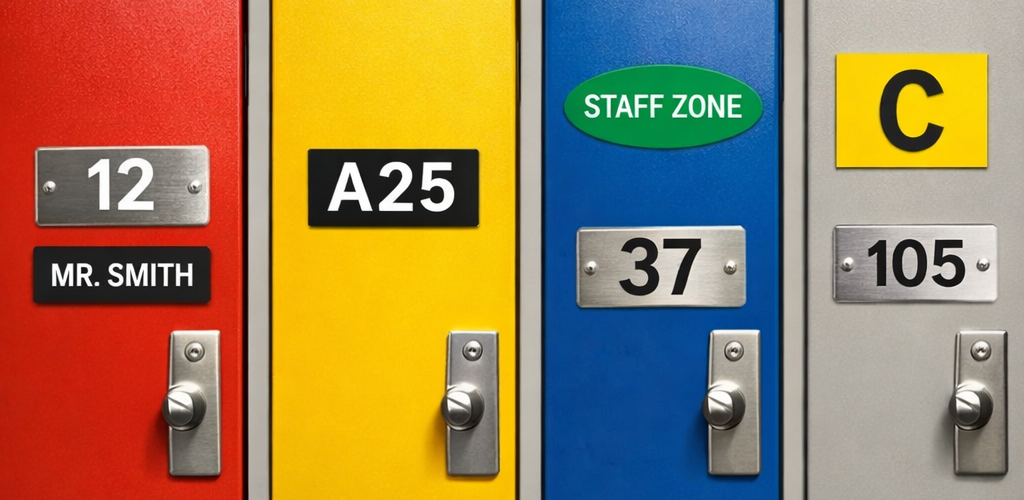
Choosing the right lockers is only part of the process. Once installed, they still need to be organised clearly. Numbering and labelling may seem like a small detail, but they directly affect usability, management and maintenance.
A well-labelled locker bank helps users find the right compartment quickly, reduces confusion and supports maintenance. Poor numbering slows people down and creates avoidable mistakes.
This guide explains how to label and number lockers properly. For a broader overview of lockers, see our main pillar page.
Why locker numbering matters
Clear numbering supports both users and management. It improves navigation and simplifies reporting, allocation and maintenance.
- faster user orientation
- simpler allocation
- clear fault reporting
- better organisation
- easier maintenance tracking
Numbering vs labelling
Numbering gives each locker a unique identifier. Labelling can include additional details such as names, departments or zones.
- numbers only
- letters and numbers
- colour-coded zones
- name inserts
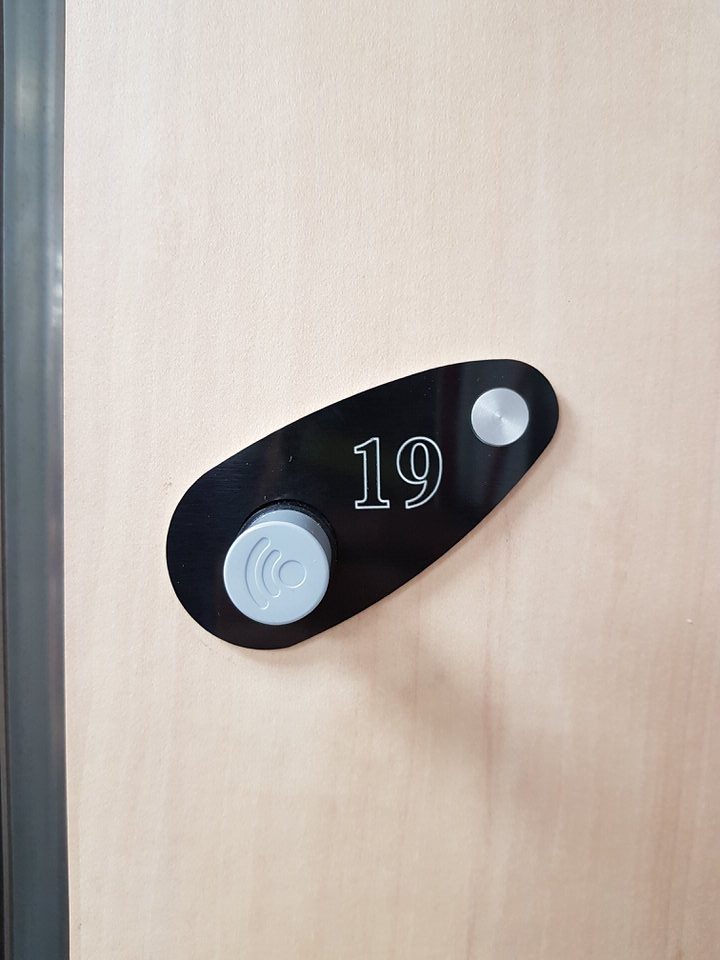
- engraved tags
What makes a good numbering system?
A strong system is clear, consistent and easy to follow. Users should understand it instantly without needing explanation.
- easy to read
- logical sequence
- consistent layout
- visible from a distance
- durable for the environment
Start with the layout
Numbering should follow how users naturally view the locker bank. In most cases, this means left to right and top to bottom.
For larger sites, dividing lockers into sections can improve clarity.
Locker numbering in schools
Schools benefit from simple and durable numbering systems. Straightforward sequences are usually easiest for pupils to follow.
Examples include A1–A40 or B1–B40 for different corridors or zones.
See Best Lockers for High Schools.
Locker numbering in workplaces
Workplaces may require zoning by department, floor or user type.
- S1–S50 for staff
- V1–V10 for visitors
- C1–C10 for contractors
Read Workplace Locker Guide.
Locker numbering in leisure environments
Leisure sites need bold, visible numbers for quick identification. Simplicity is key in fast-paced environments.
Explore leisure lockers.
Locker numbering in industrial settings
Industrial environments benefit from durable and highly visible numbering systems linked to operational use.
- P1–P30 for personal lockers
- G1–G20 for garment lockers
- E1–E12 for equipment lockers
Vertical vs horizontal numbering
Horizontal numbering is often easiest to follow, but vertical numbering can work depending on layout. Consistency is essential.
Numbers only or letters and numbers?
Simple layouts suit numbers only. Larger or more complex sites benefit from combined systems.
Best label types
- adhesive vinyl numbers
- engraved plates
- insert labels
- printed stickers
- colour-coded markers
Why durability matters
Labels must remain readable over time. Choose materials that suit the environment and cleaning routine.
Should lockers include names?
Names can help in assigned systems but are less suitable for shared lockers. A combination of numbering and temporary labels often works best.
How numbering supports maintenance
Clear numbering allows faults to be reported and resolved quickly.
Common mistakes to avoid
- numbers too small to read
- unclear sequences
- mixed systems
- unsuitable label materials
- overcomplicated formats
Questions to ask before labelling
- How many locker banks are there?
- Are lockers assigned or shared?
- Do zones need separating?
- Is the environment demanding?
- Should labels be permanent or changeable?
Final thoughts
Clear locker numbering improves usability, organisation and maintenance. A simple, consistent and durable system delivers the best long-term results.
Explore the full locker range to support your project.
“`
Discover more from Blog Total Locker Service
Subscribe to get the latest posts sent to your email.