Locker Compliance and Regulations UK: What You Need to Know for Safe and Suitable Storage
April 11, 2026
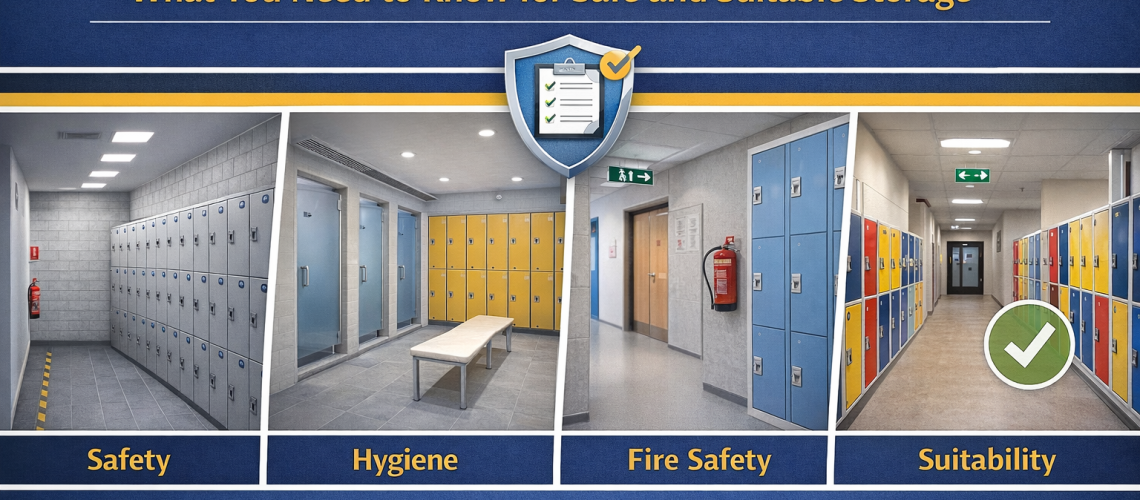
Locker installations are not just about storage. In many environments, they also need to meet safety, hygiene and operational standards. Compliance matters because lockers often sit within regulated spaces such as schools, workplaces, healthcare environments and leisure facilities.
Although lockers themselves are not governed by a single universal regulation, they are affected by a wider framework of UK standards and best practice. These relate to health and safety, workplace welfare, hygiene, fire safety and the specific environment in which the lockers are installed.
This guide explains the key compliance considerations for locker systems in the UK and how to make sure your installation is suitable for its intended use.
Why locker compliance matters
Locker compliance is about more than ticking boxes. A well-planned installation helps protect users, supports safe working conditions and ensures the space operates as intended. Poorly planned locker areas can create risks, reduce hygiene standards and make environments harder to manage.
Meeting relevant standards helps you:
- support health and safety requirements
- improve hygiene and cleanliness
- reduce risk in changing and welfare areas
- ensure suitability for staff, students or the public
- align with workplace and sector-specific expectations
- create a more robust and future-proof installation
Compliance should be considered from the start, not added as a final check.
Locker compliance in UK workplaces
In workplace environments, lockers often form part of welfare provision. UK employers are expected to provide suitable facilities where staff need to store clothing, personal belongings or workwear. This is particularly important where employees change for work or handle specialist equipment.
Locker provision may be expected when:
- staff need to change into uniforms or PPE
- personal and work clothing must be kept separate
- secure storage is required during working hours
- hygiene or contamination risks need to be controlled
Lockers should be suitable for the environment, easy to use and positioned within a layout that supports safe access and cleaning.
Health and safety considerations
Locker installations must align with general health and safety principles. This includes making sure the lockers themselves are safe to use and that the surrounding space does not create avoidable hazards.
Key safety considerations include:
- stable installation and secure fixing where required
- doors that open safely without obstructing walkways
- adequate spacing to avoid crowding and collisions
- smooth edges and safe finishes
- appropriate load handling for stored items
- clear visibility and safe movement around locker areas
Layout, spacing and installation quality all contribute to compliance in this area.
Hygiene and cleanliness standards
Locker hygiene is particularly important in environments such as healthcare, food production, leisure facilities and workplaces where staff change clothes. The locker system should support cleaning routines and avoid creating areas where dirt or moisture can build up.
Compliance in this area often includes:
- materials suitable for the environment
- designs that are easy to clean
- adequate ventilation for airflow
- layouts that allow access for cleaning equipment
- separation of clean and used items where required
These factors help maintain a cleaner and more controlled environment.
Fire safety considerations
Locker installations must not interfere with fire safety measures. This includes ensuring that locker placement does not block escape routes or restrict access to emergency equipment.
Important fire safety considerations include:
- keeping walkways and exits clear
- avoiding obstruction of fire doors and escape routes
- ensuring visibility of fire safety signage
- choosing suitable materials for the environment where required
- planning layouts that support safe evacuation
Fire safety is a site-wide responsibility, and locker placement should always support it.
Education sector requirements
In schools, colleges and universities, lockers must be robust, safe and suitable for daily student use. They should support organisation while also reducing the risk of damage or misuse.
Key considerations include:
- durable construction for heavy daily use
- safe door operation in busy corridors
- clear numbering and identification
- layout planning to reduce congestion
- appropriate lock choice for student management
Education settings often require a balance between durability, safety and ease of management.
Leisure and changing room compliance
In gyms, leisure centres and wet environments, compliance focuses more heavily on moisture, hygiene and user turnover. Lockers must cope with humid conditions while remaining safe and easy to maintain.
Key requirements may include:
- materials suited to wet or humid conditions
- easy-clean surfaces
- ventilation to support airflow
- layouts that allow regular cleaning
- lock systems suited to shared use
These environments place greater demands on both materials and design.
Workwear and PPE storage requirements
In workplaces where staff use uniforms or protective equipment, lockers may need to support separation between clean and used items. This is particularly important in environments where contamination, hygiene or safety risks are present.
Considerations may include:
- separate compartments or lockers for clean and used clothing
- adequate ventilation for workwear storage
- easy cleaning and maintenance
- secure storage for PPE and specialist equipment
This helps maintain safety standards and supports workplace compliance.
Accessibility considerations
Locker areas should be accessible to all users where possible. This includes considering how lockers are positioned, how easy they are to reach and how the surrounding space supports movement.
Accessibility may involve:
- locker heights suitable for a range of users
- clear access routes around locker banks
- easy-to-use locking systems
- adequate space for assisted access if required
Inclusive design helps ensure the locker system works for everyone.
Common compliance mistakes to avoid
- treating lockers as standalone products without considering the environment
- ignoring cleaning and hygiene requirements
- blocking walkways or escape routes
- choosing materials that are not suited to the conditions
- overlooking user safety and accessibility
- failing to plan for long-term maintenance
Compliance issues often come from poor planning rather than the locker product itself.
How to ensure your locker installation is compliant
To create a compliant locker system, focus on the environment first. Then match the locker type, material, layout and lock system to those conditions.
A strong approach includes:
- understanding the site’s requirements
- choosing lockers suited to the environment
- planning layout, spacing and access
- supporting cleaning and maintenance routines
- selecting appropriate lock systems
- reviewing safety and accessibility
This ensures the lockers support both practical use and compliance expectations.
Final thoughts on locker compliance and regulations
Locker compliance is about aligning storage with the wider requirements of the environment. There is no single rule that applies to every installation, but there are clear expectations around safety, hygiene, usability and suitability.
By planning carefully and choosing the right combination of materials, layout and security, you can create a locker system that meets both user needs and regulatory expectations.
Explore our locker range, review locker lock options, and read more guidance on the Total Locker Service blog.
Discover more from Blog Total Locker Service
Subscribe to get the latest posts sent to your email.