How to Choose Lockers for Schools, Gyms and Workplaces
March 10, 2026
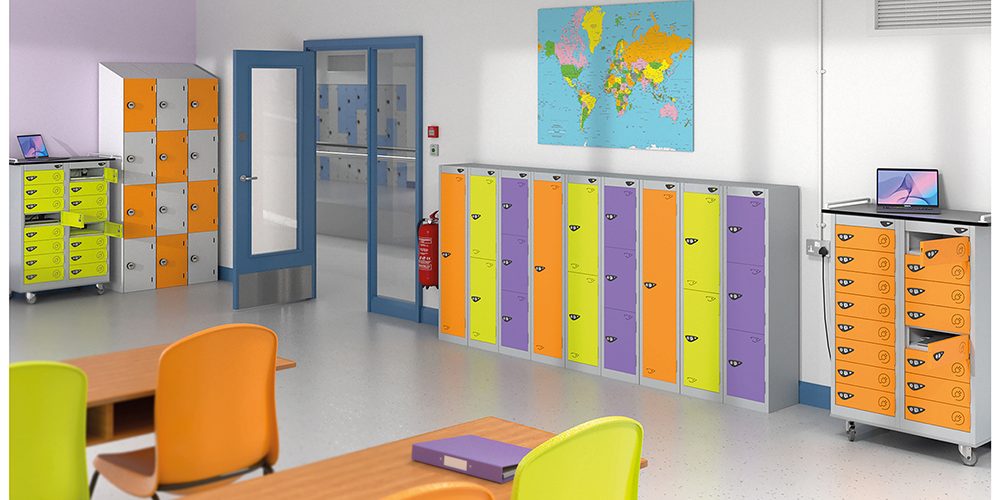
Choosing the right lockers is an important part of planning secure storage for schools, gyms and workplaces. The correct locker system helps keep personal belongings safe, improves organisation and makes better use of available space.
Different environments need different locker solutions. A school may need multi-tier lockers for large numbers of students, while a workplace may need staff lockers for uniforms and personal items. Gyms and leisure facilities often need lockers that are easy to use, hygienic and suitable for changing room environments.
This guide explains the main points to consider when choosing lockers so you can select a practical solution for your facility.
What Are They Used For?
Lockers are used to provide secure and organised storage in shared environments. They help users store personal items, clothing, bags, equipment and workwear during the day.
In schools, lockers are often used for books, bags and sports kit. In workplaces, lockers are commonly used for uniforms, tools and personal belongings. In gyms and leisure centres, lockers provide temporary storage for visitors using the facility.
For a wider overview, see our complete lockers guide.
Choosing for the Environment
The first step is to think about where the lockers will be installed. The environment affects the best locker type, material and lock option.
Schools
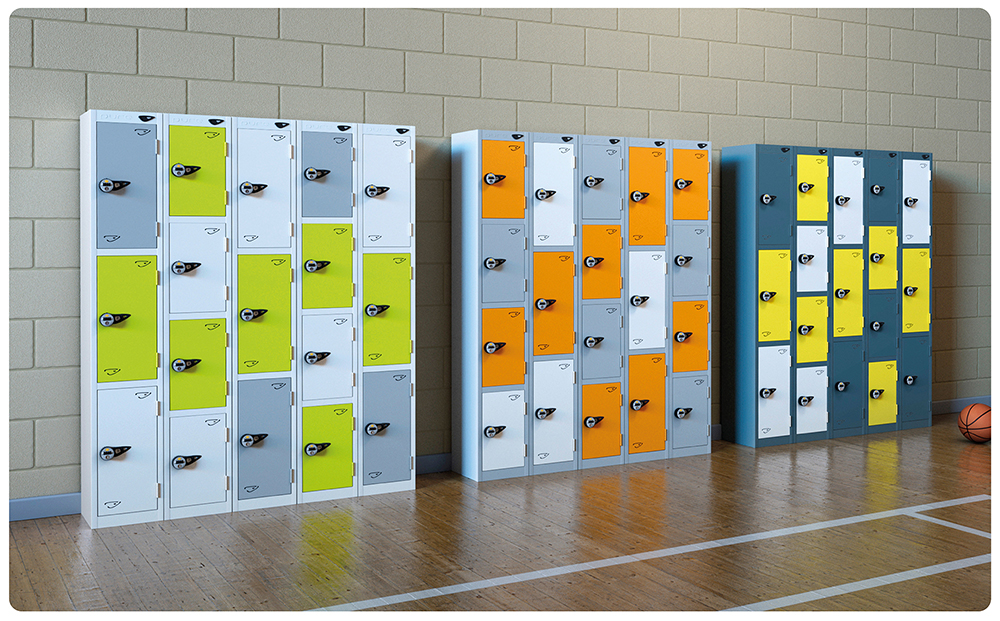
Schools often need lockers that can serve a large number of users in limited space. Multi-tier lockers are a common choice because they allow more students to have secure storage within the same footprint.
Durability is important in school settings because lockers are used every day and can receive heavy wear over time.
Gym and Leisure
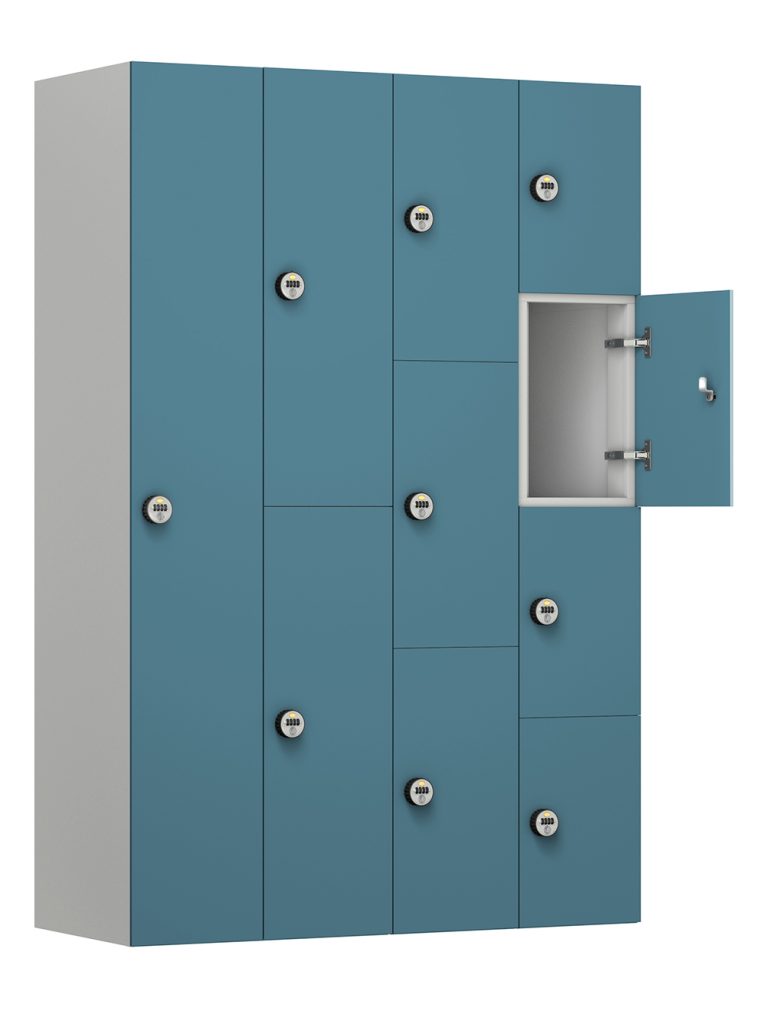
Gyms and leisure facilities often need lockers for temporary use. These environments may also have higher humidity, especially in changing rooms near showers or pools.
Ventilation, hygiene and ease of use are especially important in these spaces. Shared-use lock systems such as combination locks or coin return locks may also be suitable.
Workplace
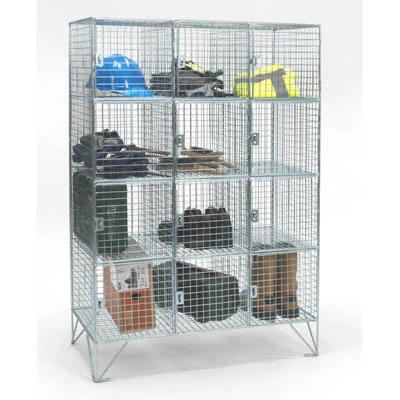
Workplace lockers are often used in staff changing areas, warehouses, offices and industrial environments. Some workplaces need lockers for personal belongings, while others require storage for workwear, PPE or equipment.
The correct choice depends on the type of work being carried out and what needs to be stored.
Types
There are several locker configurations available, and the right choice depends on how many users need storage and what they need to store.
Single Tier
Single tier lockers provide full-height storage. They are often used where users need room for coats, uniforms or larger personal items.
Multi-Tier
Two-tier, four-tier and six-tier lockers provide smaller individual compartments but allow more users to be served within the same area. These configurations are commonly used in schools, gyms and staff changing rooms.
Specialist
Some installations require specialist lockers for particular applications, such as PPE storage, device storage or wet-area environments. These should be chosen based on the specific items being stored and the conditions in the room.
Read more about types of lockers and where each option works best.
Materials
The material used has a major effect on durability, appearance and maintenance.
| Locker material | Best for | Common environments |
|---|---|---|
| Steel lockers | Strength and durability | Schools, workplaces, staff areas |
| Laminate lockers | Appearance and surface durability | Offices, leisure facilities, changing rooms |
| Plastic lockers | Wet and humid environments | Pools, gyms, leisure centres |
Steel lockers are one of the most popular choices because they are robust and suitable for many environments. Laminate lockers are often chosen where appearance matters and plastic lockers are a strong option where moisture resistance is important.
See our guide to locker materials for a closer look at the options.
Locker Security and Locks
The lock is one of the most important parts of any locker. The right lock type depends on how they will be used and how access will be managed.
- key locks are simple and reliable
- combination locks remove the need for physical keys
- coin return locks are useful for temporary shared use
- digital locks can support modern managed locker systems
Locker security also depends on good installation, durable doors, reliable hinges and sensible positioning within the room.
You can learn more in our guides to locker safety and locker locks.
Ventilation, Hygiene and Maintenance
In busy locker areas, ventilation and cleanliness are important. Good airflow helps reduce moisture and odours, especially where users store clothing or sports equipment.
Routine cleaning and inspection help equipment stay presentable and reliable. Locks, hinges and doors should be checked regularly so small issues can be dealt with before they become larger faults.
Read more about locker ventilation, locker cleaning and locker lifespan.
Accessibility and User Comfort
Locker areas should be practical for all users. Good planning includes clear walkways, sensible locker placement and consideration for accessibility. In some settings, lower-level lockers and easy-to-use lock systems may be important.
Inclusive design improves convenience and helps ensure the facility works well for a wider range of users.
See our article on accessible lockers for more on this topic.
How to Choose the Right Type
When choosing lockers, the best approach is to balance user needs, available space, security requirements and long-term durability.
Ask these questions before making a decision:
- Who will use the lockers?
- What items need to be stored?
- Will they be assigned or shared?
- Is the environment dry, humid or wet?
- What lock system will be easiest to manage?
- How important are appearance, hygiene and maintenance?
Answering these questions will help narrow the best locker type for your school, gym or workplace.
Total Locker Service
Total Locker Service supplies a wide range of lockers for schools, gyms, workplaces and commercial environments across the UK. Whether you need durable steel, wet-area or secure staff storage, choosing the right system starts with understanding how the lockers will be used.
Explore our full range to find a suitable solution for your facility.
For a complete overview of locker types, planning and maintenance, see our complete guide.
Discover more from Blog Total Locker Service
Subscribe to get the latest posts sent to your email.