How to Choose the Right Fixing Method for Engraved Tags and Nameplates
April 8, 2026
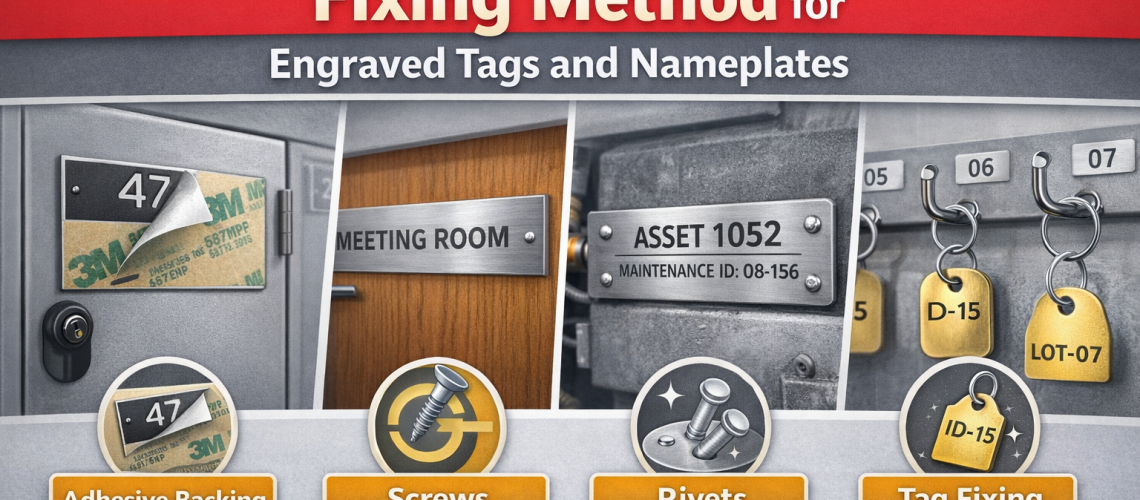
Engraved tags and nameplates are only effective if they stay securely in place. The wording may be clear, the material may be durable and the finish may look professional, but none of that helps if the plate lifts, shifts or falls away after installation. Choosing the right fixing method is therefore just as important as choosing the right size, shape or material.
In many workplaces, engraved products are fitted to lockers, doors, cabinets, equipment, storage bays and key systems. Each surface is different. Some are smooth and clean. Others are textured, curved or exposed to heavier use. A fixing method that works well in one setting may not perform properly in another.
Planning the fixing method at the same time as the plate itself helps avoid these issues. The correct option can improve appearance, extend lifespan and reduce the need for replacements later. It can also make installation quicker and more consistent across a site.
Why the fixing method matters
An engraved plate is a practical product. It needs to remain readable, neat and secure over time. If the fixing method is not suited to the surface or the environment, problems can appear quite quickly.
- edges lifting away
- plates becoming loose
- poor alignment
- damage during fitting
- a less professional finish
- more maintenance work later
A poor fixing choice can also affect usability. If a locker number plate falls off, users may struggle to find the correct locker. If an equipment plate becomes loose, asset identification can become less reliable. When a door nameplate is badly fixed, the whole area can look untidy.
The most common fixing methods
Engraved tags and nameplates are usually fitted using one of a few standard methods. The best option depends on the material, the surface and the way the product will be used.
- self-adhesive backing
- screws
- rivets
- hanging fittings
- slots or holes for ties, chains or hooks
Some products are designed for permanent installation. Others are intended to be removable or transferable. That difference matters when selecting the right fixing style.
Self-adhesive fixing
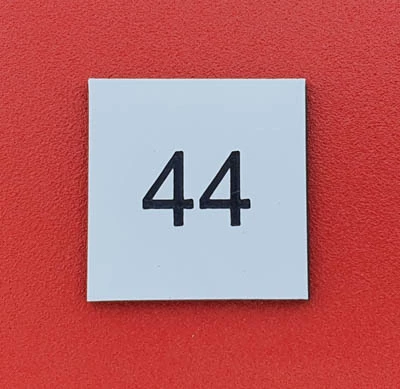
Self-adhesive backing is one of the most popular options for engraved nameplates. It is clean, simple and well suited to many indoor applications. Plates with adhesive backing can usually be applied quickly without drilling or extra hardware.
- locker doors
- cupboard fronts
- office doors
- internal cabinets
- smooth storage surfaces
- clean indoor equipment housings
One of the main benefits is appearance. Adhesive fixing gives a neat finish with no visible screws or holes. It also makes installation faster, which is useful when fitting multiple plates across a large site.
Surface preparation matters. Adhesive plates usually perform best when the area is clean, dry, smooth and free from dust, grease or polish.
When adhesive fixing works best
Adhesive fixing suits environments where appearance and ease of fitting are priorities. It works well in low to moderate impact settings where plates are unlikely to be knocked or exposed to harsh conditions.
- locker numbering in offices or schools
- cupboard labels in staff rooms
- room signs on internal doors
- storage labels in controlled indoor areas
- identification plates on fixed office furniture
When adhesive fixing may not be enough
Although adhesive backing is practical, it is not always the best solution. Harder-working environments may require a more secure method.
- rough or textured surfaces
- damp environments
- outdoor exposure
- heavily used industrial equipment
- areas with frequent cleaning or impact
Screw fixing
Screw fixing is a reliable option where a plate needs to stay firmly in place over time. It is often used in environments where durability matters more than a completely flush appearance.
- doors
- walls
- equipment housings
- industrial cabinets
- storage bays
The main advantage is security. Screw-fixed plates are less likely to come loose through regular use or environmental stress.
Things to consider with screw fixing
- whether drilling is allowed
- what sits behind the fixing area
- surface compatibility
- appearance of visible fixings
- future removal requirements
Rivet fixing
Rivets provide a strong and tamper-resistant fixing, particularly on metal surfaces. They are often used in industrial environments where permanence is required.
- machinery plates
- asset tags on metal housings
- warehouse equipment
- plant room identification
Hanging fittings for tags
Some engraved products are designed to hang rather than be fixed flat. These include key fobs, equipment tags and hook-based identification systems.
- split rings
- chains
- hooks
- ties
- loops
Matching the fixing method to the environment
Offices
Clean surfaces and lower impact use make adhesive fixing a practical choice for most applications.
Schools and colleges
Higher levels of use may require stronger fixing methods in certain areas.
Leisure centres and gyms
Moisture and frequent use may influence the choice between adhesive and mechanical fixing.
Healthcare and care settings
Cleanliness and clear identification are key, so fixing methods must suit cleaning routines and surfaces.
Industrial and warehouse sites
More demanding environments often benefit from screw or rivet fixing for long-term durability.
Surface type makes a difference
- painted metal
- laminate
- wood
- plastic
- powder-coated steel
- textured panels
Smooth, clean surfaces suit adhesive fixing best. Rough or uneven materials may require mechanical fixing.
Permanent or removable?
Some plates are intended to stay in place permanently, while others may need to be replaced or updated over time.
- permanent: locker numbering, asset tags, machinery plates
- removable: staff names, temporary room labels, flexible workspaces
Installation quality matters too
Good installation practice ensures the fixing method performs as expected. Surfaces should be prepared properly, and plates should be aligned consistently across a site.
Planning before ordering
- surface type
- environment conditions
- level of wear
- appearance requirements
- installation method
- future flexibility
Common mistakes to avoid
- applying adhesive to dirty surfaces
- choosing based on appearance only
- ignoring moisture or cleaning impact
- poor alignment during fitting
- inconsistent positioning across multiple plates
Choosing the best fixing method
There is no single fixing method that suits every engraved product. Adhesive backing works well for smooth indoor surfaces. Screws provide strength where durability is needed. Rivets offer a more permanent solution for metal applications. Hanging fittings suit mobile tags and key systems.
The best choice depends on the product, the environment and how it will be used. When the fixing method matches the setting, engraved tags and nameplates are more likely to stay secure, look professional and perform well over time.
Discover more from Blog Total Locker Service
Subscribe to get the latest posts sent to your email.