Gym & Leisure Locker Keys: Common Problems and Solutions
February 19, 2026
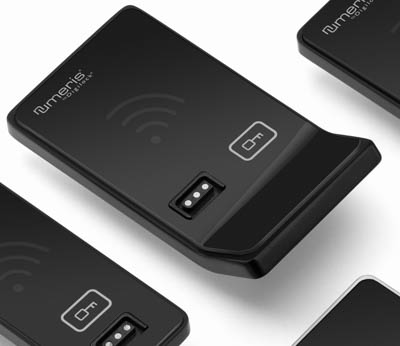
Gym locker keys are one of the most common operational pain points in fitness centres and leisure facilities. Members rush in and out. Keys are clipped to wrist straps. Chains break. Keys leave the building. Over time, these small incidents accumulate into measurable cost and disruption.
If you manage a gym, swimming pool or leisure centre, understanding how to control key loss will reduce maintenance spend and improve member experience. This guide explains high turnover issues, coin locks versus cam locks, realistic loss modelling and practical admin reduction strategies.

Why Gym Locker Keys Are Frequently Lost
Unlike schools or workplaces, gym lockers are short-term use. Members may only use a locker for one hour. There is rarely a structured issuing process. This makes key loss predictable.
- Members rush during peak periods.
- Keys detach from elastic wrist straps.
- Keys are taken home in gym bags.
- Chains break on coin lock systems.
- Members forget locker numbers.
Because usage is high and temporary, gym locker keys should be treated as recurring maintenance items rather than one-off losses.
High Turnover and Predictable Loss Modelling
Let’s model a typical mid-sized gym:
- 150 lockers
- 250 daily visits
- Peak hour congestion
If just three keys are lost per week, that equals over 150 keys per year. Now factor in staff time, emergency drilling and lock damage. The total cost becomes significant.
Instead of reacting to each loss, gym operators should forecast annual replacement demand and maintain spare stock of replacement locker keys.
Coin Locks vs Cam Locks in Gyms
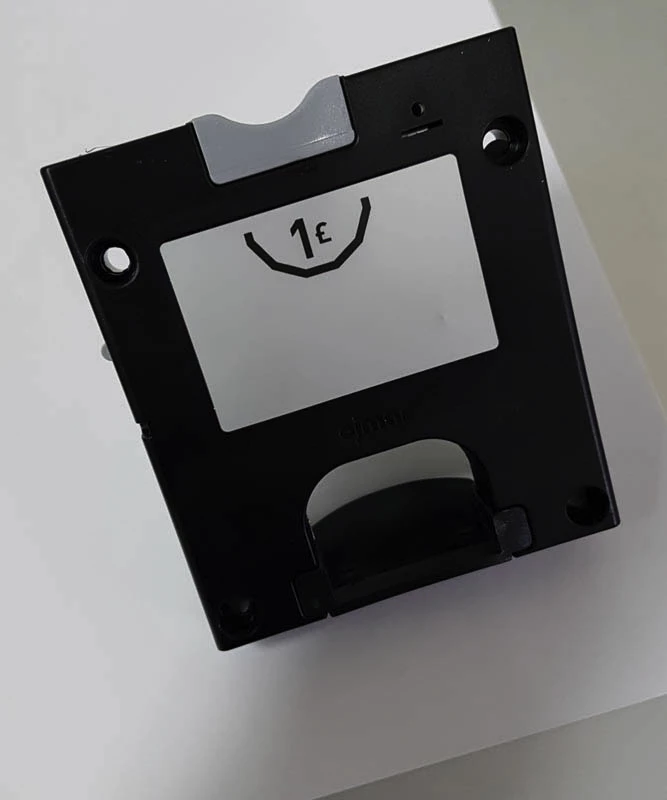
Coin Operated Locker Locks
Coin locks are widely used in public leisure centres. They require a £1 coin or token to release the key. This encourages key return and reduces casual removal.
- Reduced accidental key removal
- Encourages user accountability
- Suitable for public access
However, coin systems introduce mechanical wear. Chains snap. Mechanisms jam. Members may force entry when coins stick.
If you are reviewing coin systems, explore options here:
Coin locker systems
Standard Cam Locks
Cam locks are simpler. They use a standard key and are commonly fitted in private gyms.
- Lower cost
- Easier replacement
- Simple maintenance
The weakness is user responsibility. If keys are removed from the building, loss frequency increases.
Replacement Keys vs Lock Replacement
In most situations, replacing the key is enough. Replacing the entire lock should not be the default action.
When Replacement Keys Are Sufficient
- The key number is visible.
- The lock is undamaged.
- No security compromise has occurred.
Order new keys quickly here:
Order replacement locker keys
When Lock Replacement Is Necessary
- The lock number is unreadable.
- The mechanism is damaged.
- Forced entry has occurred.
Full lock replacement increases labour time and cost. Always verify the key number before deciding.
Admin Reduction Strategies for Gym Managers
Reducing key loss is about structure, not reaction.
1. Maintain a Key Code Register
Record locker number and key code. This allows immediate reordering without removing locks.
2. Keep Spare Keys in Stock
Hold 10% spare key inventory. This removes urgency and reduces emergency labour cost.
3. Audit Quarterly
Track loss patterns. Replace damaged units in batches rather than individually.
4. Secure Master Keys
If your system is mastered, restrict access and log usage carefully.
Hidden Costs of Poor Key Management
The visible cost is the key itself. The hidden costs include:
- Staff time resolving incidents
- Member complaints
- Reputational damage
- Emergency drilling
- Lock damage
Small improvements in control reduce long-term operational drag.
Improving Member Experience
Members judge facilities quickly. Broken locker keys or jammed locks create frustration immediately. Reliable locker systems support retention and positive reviews.
Final Thoughts
Gym locker keys are small components with large operational impact. High turnover environments make loss predictable. Planning for replacement, maintaining registers and holding spare stock reduces cost and disruption.
If you need fast supply of replacement locker keys, or are reviewing coin lock systems, take action early rather than reacting to repeated failure.
Discover more from Blog Total Locker Service
Subscribe to get the latest posts sent to your email.