Charging and Smart Lockers: Secure Storage with Power and Digital Access
April 11, 2026
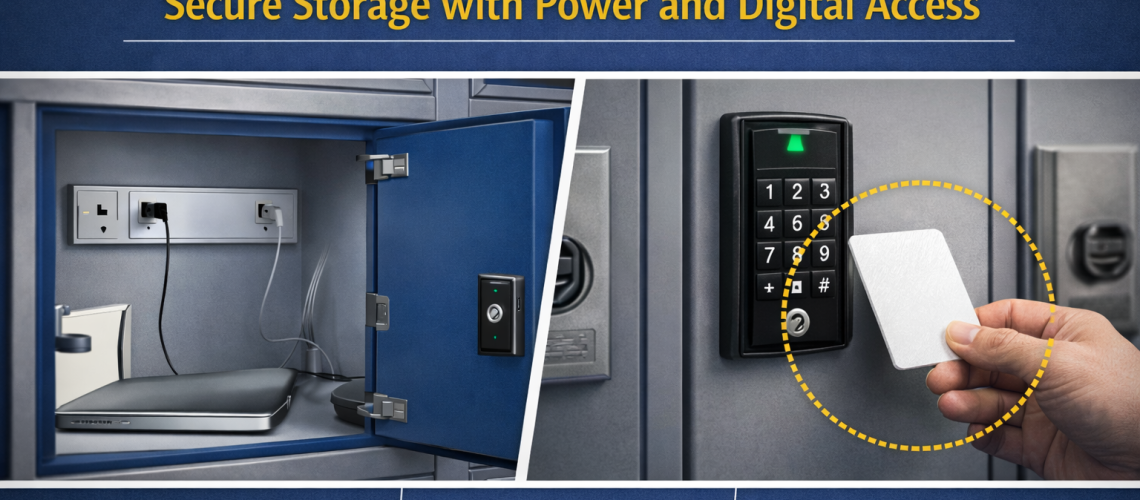
Locker systems are evolving. In many workplaces, schools and public environments, storage is no longer just about keeping belongings safe. Users now expect lockers to support devices, provide charging access and offer a more flexible, technology-led experience. That is where charging and smart lockers come in.
From laptops and phones to tablets and specialist equipment, modern users rely on powered devices throughout the day. Charging lockers provide a secure way to store and charge those items at the same time. Smart lockers take this a step further by introducing digital access, usage control and more advanced management features.
This guide explains what charging and smart lockers are, how they work, and when they are the right choice for your site.
What are charging lockers?
Charging lockers are designed to safely store and power devices while they are not in use. Each compartment typically includes an internal power source so users can plug in their equipment and leave it securely while it charges.
These lockers are commonly used for:
- mobile phones
- laptops and tablets
- handheld scanners and workplace devices
- education devices such as student tablets or Chromebooks
- shared-use equipment in workplaces and facilities
The main benefit is simple. Users can store their device securely while also keeping it powered and ready for the next use.
What are smart lockers?
Smart lockers combine physical storage with digital access control. Instead of relying on traditional keys or basic locks, these systems use electronic access methods such as PIN codes, cards, fobs or network-controlled systems.
In many cases, smart lockers can be managed centrally. This allows organisations to control access, assign lockers, monitor usage or support shared-use systems more efficiently.
Smart lockers are often used for:
- workplace hot-desking environments
- parcel and delivery storage systems
- staff equipment issue and return
- visitor storage in managed buildings
- high-turnover shared locker systems
They are not just about convenience. They also provide better control over how lockers are used and managed.
Charging lockers vs standard lockers
Standard lockers provide secure storage. Charging lockers add power. That difference may seem simple, but it changes how the lockers are used within a space.
Charging lockers are particularly useful when:
- users rely on devices throughout the day
- equipment needs to be ready for the next shift or session
- shared devices are issued and returned regularly
- secure charging is required rather than open charging points
Without integrated charging, users may leave devices unattended at desks or charging stations. Charging lockers bring security and organisation together.
Smart lockers vs traditional locking systems
Traditional locks rely on keys, padlocks or mechanical codes. Smart lockers introduce digital control, which changes how lockers are accessed and managed.
Smart lockers are particularly useful when:
- users change frequently
- lockers are shared rather than assigned
- central control is needed
- access needs to be flexible or time-based
- integration with wider systems is required
That does not make them automatically better. They are simply better suited to certain environments.
Key benefits of charging lockers
- secure device storage while charging
- reduces clutter from cables and open charging points
- keeps devices organised and easy to manage
- supports shared equipment use
- helps ensure devices are ready when needed
These benefits are especially useful in education, logistics, offices and facilities where devices are central to daily operations.
Key benefits of smart lockers
- key-free access for users
- reduced need for physical key management
- supports shared and flexible locker use
- improves control over locker allocation
- can support modern workplace and facility management systems
In busy environments, these features can simplify locker administration significantly.
Where charging lockers work best
Charging lockers are particularly effective in environments where devices are used constantly and need secure storage between uses.
- schools and colleges issuing student devices
- offices with mobile working and laptops
- warehouses and logistics operations using handheld scanners
- healthcare environments with shared equipment
- public areas offering secure phone charging
Where smart lockers work best
Smart lockers are best suited to environments that need flexibility, control and efficient user turnover.
- hybrid workplaces with hot-desking
- parcel delivery and collection systems
- staff storage in large organisations
- visitor and temporary-use locker systems
- facilities with high user turnover
Things to consider before choosing charging or smart lockers
These systems offer clear advantages, but they also require more planning than standard lockers.
- power requirements and installation planning
- ongoing maintenance and servicing
- user training or instructions
- cost compared to standard locker systems
- integration with existing systems if required
- the actual need for advanced features
Choosing these lockers works best when there is a clear operational reason rather than simply following a trend.
Common mistakes to avoid
- choosing smart lockers without a clear management plan
- installing charging lockers without considering power access
- overcomplicating simple locker requirements
- underestimating maintenance needs
- ignoring how users will actually interact with the system
The best solution is the one that fits the environment and the user behaviour, not just the most advanced option available.
Final thoughts on charging and smart lockers
Charging and smart lockers represent a shift in how storage is used. They combine security with functionality, making lockers more useful in modern environments where devices and flexible working are part of daily life.
Charging lockers are ideal where devices need secure power. Smart lockers are best where access needs to be flexible and controlled. In some cases, both features can be combined into one system.
If you are planning a locker installation, start by defining how the lockers will be used. From there, decide whether charging, smart access or a simpler system will deliver the best long-term result.
Explore our locker range, review locker lock options, and browse more guidance on the Total Locker Service blog.
Discover more from Blog Total Locker Service
Subscribe to get the latest posts sent to your email.