Cam Locks vs Coin Locks: Which Locker Lock Is Right for Your Facility?
February 20, 2026
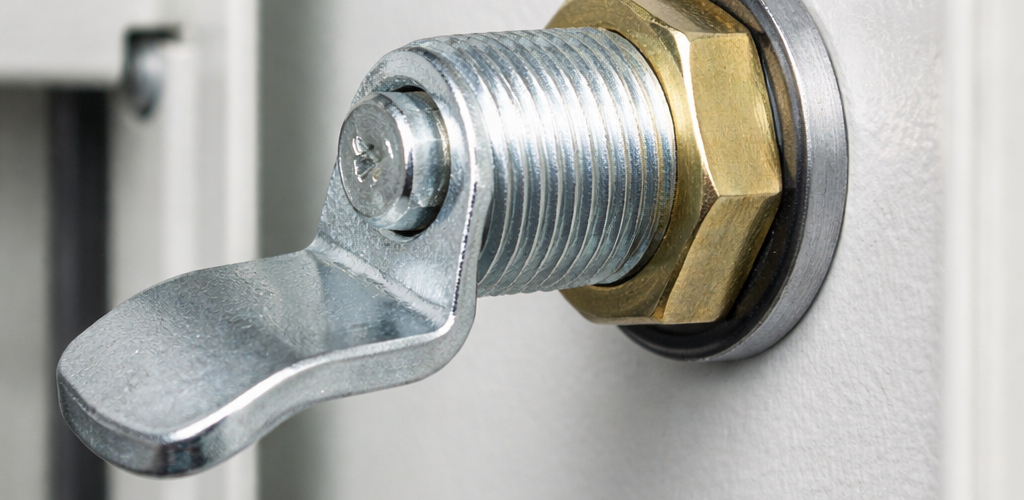
Choosing between cam locks and coin locks is one of the most important decisions when specifying locker locks. The right choice affects security, maintenance cost, user behaviour and long-term operational efficiency.
This guide compares cam locks vs coin locks across schools, gyms, leisure centres and workplace environments. If you are reviewing locker locks, this article will help you select the correct system.
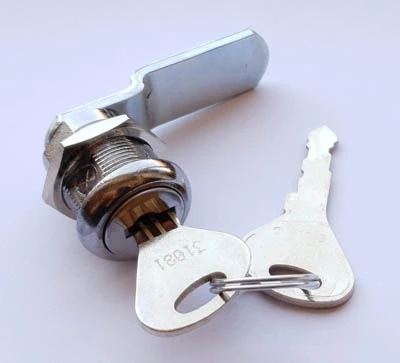
What Is a Cam Lock?
A cam lock is a simple key-operated locking mechanism fitted through a locker door. Inside, a rotating cam arm secures the door frame when turned.
- Low cost
- Simple to install
- Available keyed alike or keyed different
- Compatible with master key systems
Cam locks are the most common locker locking solution in UK schools and workplaces.
What Is a Coin Lock?
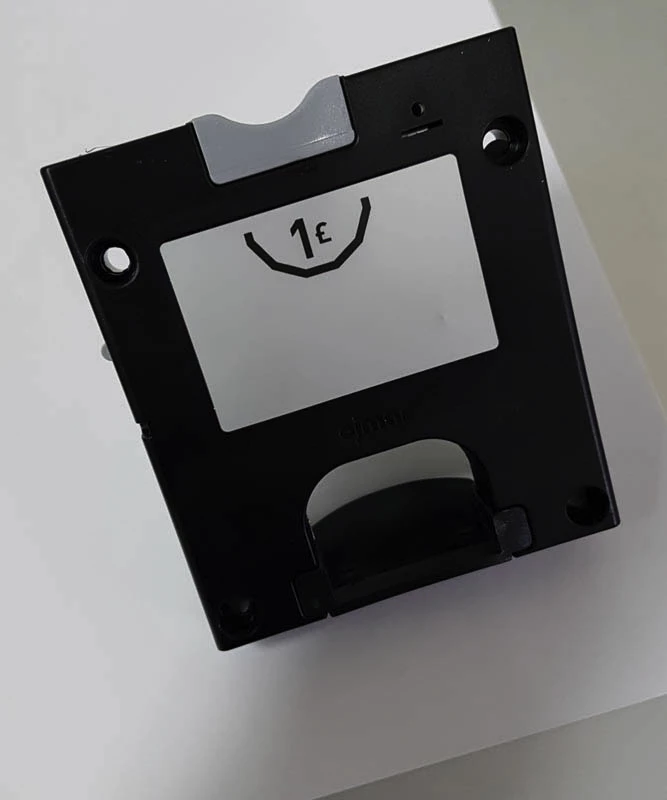
Coin locks require the user to insert a coin or token before locking the locker. Depending on configuration, the coin may be retained or returned when unlocked.
- Encourages key return
- Reduces lost key frequency
- Common in gyms and leisure centres
- Higher unit cost than cam locks
Cost Comparison
Initial purchase cost differs significantly.
- Standard cam lock: lower unit cost
- Coin lock: higher initial investment
However, the true cost must consider administration and key loss. In high-turnover environments, coin locks can reduce replacement key demand.
Explore available replacement locker locks to compare pricing and compatibility.
Administration Impact
Cam locks require active key management. Facilities teams must:
- Track key numbers
- Manage deposits
- Order replacement keys
Coin locks reduce admin in gyms because users temporarily “self-manage” locker allocation.
Security Considerations
Both systems provide secure door engagement when installed correctly. However, security risk differs based on user behaviour.
- Cam locks rely on responsible key handling.
- Coin locks reduce abandoned locker use.
- Mastered cam systems allow central override.
- Coin locks often include emergency master access.
Durability & Maintenance
Cam locks contain fewer moving parts. As a result, they typically require less mechanical maintenance.
Coin locks involve additional mechanisms for coin retention and release. In heavy-use leisure environments, periodic servicing may be required.
Best Lock Type by Sector
Schools
Cam locks are usually preferred. They integrate easily with master key systems and controlled allocation.
Gyms & Leisure Centres
Coin locks are often advantageous. They discourage long-term locker occupation and reduce lost key frequency.
Workplaces
Cam locks with master key configuration remain the most common solution for employee allocation.
Lifecycle Cost Modelling
When evaluating locker locks, consider a five-year cost model:
- Initial hardware cost
- Replacement key cost
- Maintenance labour
- User behaviour patterns
High key loss rates may justify the additional cost of coin locks in leisure facilities.
Final Recommendation
Cam locks are ideal where controlled allocation and master key systems are required.
Coin locks are ideal where high user turnover makes key loss frequent and administration burdensome.
If you are reviewing or upgrading your system, compare the full range of locker locks available here to ensure correct specification.
Choosing the correct lock type at specification stage reduces five-year operating cost and prevents unnecessary maintenance spend.
5-Year Cost Comparison: Cam Locks vs Coin Locks (200 Lockers)
The table below models estimated lifecycle cost over five years in a medium-sized leisure facility with 200 lockers.
| Cost Factor | Cam Locks (200 Units) | Coin Locks (200 Units) |
|---|---|---|
| Initial Hardware Cost | Lower unit cost (baseline) | Higher unit cost (+40–70%) |
| Estimated Key Loss (Annual) | 5–10% typical | 1–3% typical |
| Replacement Keys (5 Years) | Approx. 50–100 keys | Approx. 10–30 keys |
| Estimated Key Replacement Cost (5 Years) | £350–£700 | £70–£210 |
| Mechanical Maintenance | Low | Moderate (coin mechanisms) |
| Administrative Time | Higher (tracking keys) | Lower (self-managed use) |
| Total 5-Year Operational Cost Trend | Lower upfront, higher admin | Higher upfront, lower key loss |
Actual costs depend on user behaviour, key management discipline and facility type. Reviewing the full range of locker lock options allows facilities managers to balance upfront spend against long-term administration cost.
Discover more from Blog Total Locker Service
Subscribe to get the latest posts sent to your email.