Staff Locker Policies for UK Workplaces: Access, Searches and Key Control
April 1, 2026
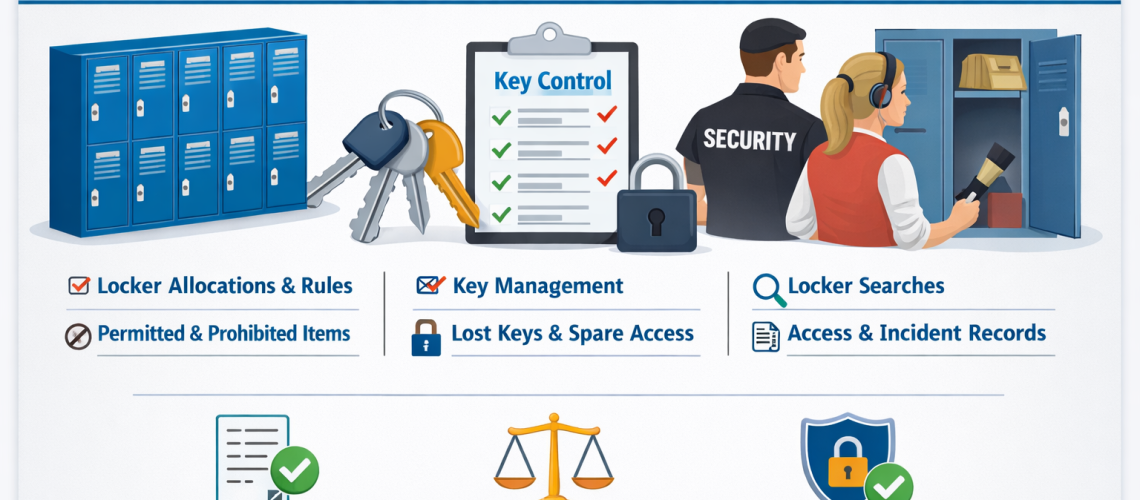
A staff locker policy helps employers manage workplace storage fairly and consistently. It sets expectations for access, key control, searches, locker allocation and what happens when problems arise. Without a clear policy, even a well-designed locker installation can create confusion, disputes or unnecessary security concerns.
This guide explains what a practical workplace locker policy should cover and how employers can approach access, searches and day-to-day control in a structured way. For the wider workplace lockers guide, visit the main hub. If your main concern is theft prevention, see our guide to workplace locker security. For the legal and employee-facing side of the issue, read our article on employee locker rights UK.
This article is a practical workplace guide, not legal advice. Employers should review their own contracts, handbook wording and HR procedures before adopting a final policy.
Why a staff locker policy matters
Lockers may look simple, but they sit at the point where facilities, security and employee relations meet. Staff use them for personal belongings, work items, outerwear, bags, phones and sometimes uniforms or PPE. Once an employer provides lockers, there needs to be a clear framework for how they are allocated, used and managed.
A written policy reduces uncertainty. Staff know what is expected of them. Managers know how to handle access issues. Security teams know what steps to follow when concerns arise. It also helps the business respond more consistently if a key is lost, a locker is left locked after an employee leaves, or an investigation requires the contents to be checked.
Just as importantly, a policy supports fairness. If one employee is asked to open a locker and another is not, or if one manager deals with access differently from another, trust can break down quickly. Clear rules make that less likely.
What a workplace locker policy should cover
A good policy should explain the full life cycle of locker use, from allocation to return. It should be easy to understand, easy to apply and realistic for the way the workplace actually runs.
- who can use the lockers
- whether lockers are assigned or shared
- what can and cannot be stored
- how keys, codes or access credentials are issued
- what happens when access is lost
- how searches are handled
- what happens when an employee leaves
- how abandoned contents are managed
- who has authority to override access
- how incidents are recorded
The aim is not to create a long legal document full of technical language. The aim is to create a practical framework that managers and staff can follow in real situations.
Start with locker allocation rules
The first part of the policy should explain how lockers are allocated. In some workplaces, each employee is assigned a specific locker. In others, lockers are shared, temporary or used on a day-use basis. The policy should make that clear from the start.
Assigned lockers are more common where staff attend regularly, store uniforms or keep work items on site. Shared-use systems are more common in hybrid offices or visitor-heavy workplaces. Each approach needs different rules for issue, return and oversight.
The allocation section should also explain whether the locker remains the property of the employer, whether it can be reallocated and whether employees are allowed to swap lockers without approval. Small details like these help prevent avoidable disputes later.
Set clear rules on what can be stored
A staff locker policy should also explain acceptable use. Most workplaces allow personal belongings, coats, bags, lunch items and normal daily possessions. However, some employers will also need rules on workwear, PPE, tools, medicines or sensitive company property.
It also helps to state what should not be stored. That may include prohibited items, perishable food left for long periods, unapproved electrical items, company records, hazardous materials or anything that creates a hygiene or safety problem in the staff area.
The exact list depends on the environment. A hybrid office and a warehouse welfare block may not need the same restrictions. Even so, the principle is the same: staff should know what the locker is for and where the boundaries sit.
Key control and access management
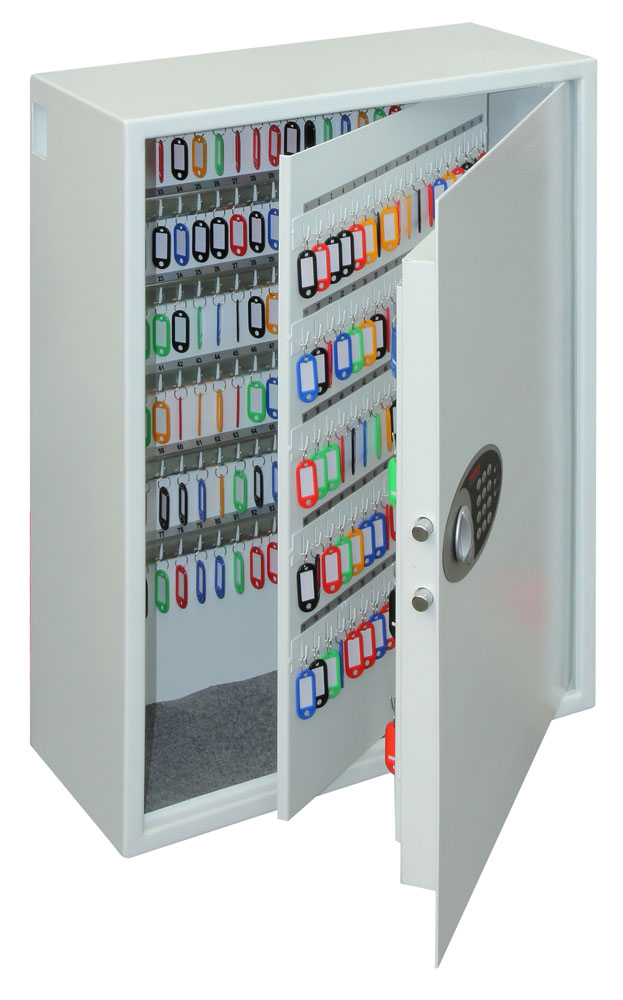
Key control is often where locker administration becomes messy. A good policy should explain how keys, codes or access credentials are issued, who keeps spare access and what staff must do if they lose entry to the locker.
Where lockers use physical keys, the policy should set out whether spare keys are held centrally, who can sign them out and how replacements are handled. Where lockers use combinations or digital access, it should explain how resets are authorised and recorded. The process should be simple enough to work in day-to-day use, but controlled enough to protect trust.
It is also useful to define who can approve override access. That authority should not sit vaguely with “management” if several teams operate on site. A named role or function is usually clearer and easier to audit later.
When should a locker be opened by management?
This is one of the most sensitive parts of any workplace locker policy. The policy should explain the situations in which management may need access to a locker and the steps that should be followed before that happens.
Typical examples include a lost key, an employee leaving the business without clearing the locker, a welfare concern, an urgent safety issue or a workplace investigation. Even where access is justified, the process should be controlled and documented rather than handled casually.
A practical policy will usually state that management access should only take place where there is a clear reason, that the employee should be involved where possible and that a record should be kept of what happened. That record helps demonstrate fairness and consistency later.
How to handle locker searches fairly
Searches should be treated as a distinct part of the policy rather than folded into general access rules. There is a difference between opening a locker because a key has been lost and searching a locker because there is a concern about misconduct, theft or a prohibited item.
The policy should explain that searches are exceptional, not routine. It should set out who can authorise them, the reasons that may justify them and how they are carried out. In practical terms, that usually means using a consistent process, involving a witness, keeping the handling proportionate and making a clear note of the outcome.
It is also sensible to separate locker searches from personal searches. A locker policy may refer to both, but they should not be treated as identical because the sensitivity and process may differ. Staff should be able to see that the employer has thought about privacy, fairness and operational control rather than leaving decisions to the heat of the moment.
Build the policy into wider workplace procedures
A locker policy works best when it fits into the wider handbook and disciplinary framework. It should not sit in isolation as a forgotten facilities note. Where access, misconduct, loss of keys, suspected theft or end-of-employment issues arise, managers need to know how the locker policy connects to the wider process.
That does not mean every locker issue becomes a disciplinary matter. Many cases are routine and can be handled through simple administration. However, if an investigation is needed, the policy should support a fair and consistent route rather than improvisation.
This is also why businesses often link locker policy wording to their pages on workplace locker security and employee locker rights UK. The topics overlap, even though each article has a different focus.
Leavers, abandoned lockers and unclaimed contents
Leavers can create unnecessary friction if the policy says nothing about lockers. Employers should set out what happens when someone leaves, goes on long-term absence or fails to return a key or clear their locker after notice has been given.
A practical approach is to define a clear sequence. The employee is asked to empty the locker and return any key or credential. If that does not happen, the locker may be opened by an authorised manager, the contents recorded and any retained items handled in line with the employer’s process. The policy should also explain how long unclaimed items may be held before disposal.
Clarity here saves time and avoids arguments later. It also helps the employer bring lockers back into use more quickly when storage is limited.
Lost keys, forgotten codes and damaged locks
Not every locker issue is sensitive. Many are simply operational. Even so, the policy should deal with them clearly. Staff should know who to contact if a key is lost, a code is forgotten or a lock appears damaged. Managers should know whether there is a charge, whether access can be restored immediately and how the incident is recorded.
The more straightforward these everyday issues are, the less likely they are to become bigger problems. Good policy is not only about risk. It is also about reducing routine friction in the workplace.
Do you need an access log?
Many workplaces benefit from keeping a simple record when management opens a locker, issues a spare key or resets access. This does not need to be complicated. A short note of the date, reason, authorising person and outcome is often enough to create a useful audit trail.
In lower-risk environments, that may only happen occasionally. In larger workplaces, welfare-heavy sites or shared locker schemes, it can be more important. A basic access log supports consistency and gives the employer something objective to refer back to if questions arise later.
Staff communication and policy visibility
A locker policy only works if staff know it exists. It should be included in induction, linked in the handbook or onboarding process and easy to find later. If lockers are issued on site, the key rules can also be summarised at the point of issue.
Managers should also be briefed properly. A policy that staff have seen but supervisors do not follow will not build confidence. Consistency matters as much as wording.
Where the workplace uses CCTV or other security measures near locker areas, communication becomes even more important. Staff should understand the purpose of those measures and how they fit into the wider management of the area.
A simple structure for a staff locker policy
- Purpose of the policy
- Who the policy applies to
- How lockers are allocated
- Permitted and prohibited items
- Key, code or credential issue process
- Lost access and override rules
- Search authorisation and process
- Leavers and abandoned locker procedure
- Incident recording and access logs
- Links to disciplinary, security and privacy procedures
That structure is usually enough to create a clear first version. Businesses can then tailor the wording to their environment and contracts.
Common mistakes in locker policy writing
- Leaving locker rules as an unwritten custom
- Using vague wording such as “management may inspect at any time” without a process
- Failing to explain key control and spare access
- Mixing locker searches and personal searches into one unclear rule
- Saying nothing about leavers or abandoned contents
- Keeping no record when lockers are opened by management
- Giving staff a policy that managers do not actually follow
Most of these problems come from treating the policy as a side issue. In practice, it is part of workplace security and employee relations, so it needs proper attention.
Conclusion
A staff locker policy gives structure to a part of workplace life that often gets overlooked until something goes wrong. It helps employers manage access, key control, searches, leavers and daily storage issues in a more consistent way. It also gives staff a clearer sense of what to expect and what standards apply.
The best policies are practical, fair and easy to follow. They explain how lockers are allocated, what can be stored, how access problems are handled and what happens if management needs to open or search a locker. They also fit into the wider framework of workplace security, privacy and staff communication.
For the wider cluster, return to the workplace lockers guide. If your focus is risk reduction, visit our page on workplace locker security. For the employee-facing side, see employee locker rights UK.
Frequently asked questions
Why does a workplace need a staff locker policy?
A written policy helps employers manage access, key control, searches, leavers and everyday locker use in a fair and consistent way.
Should locker searches be covered in the policy?
Yes. Searches are sensitive and should be handled through a clear, separate process rather than left to informal judgement.
What should a locker key control policy include?
It should explain how keys or codes are issued, who controls spare access, what happens when access is lost and who can authorise overrides.
What happens to a locker when an employee leaves?
The policy should explain the return process, how uncollected belongings are handled and when management can open the locker to recover it for reuse.
Is this page legal advice?
No. It is a practical workplace guide. Employers should review their own contracts, handbook wording and HR procedures before finalising a policy.
Discover more from Blog Total Locker Service
Subscribe to get the latest posts sent to your email.