Locker Maintenance and Cleaning in Offices: How to Keep Workplace Storage Looking Professional
April 7, 2026
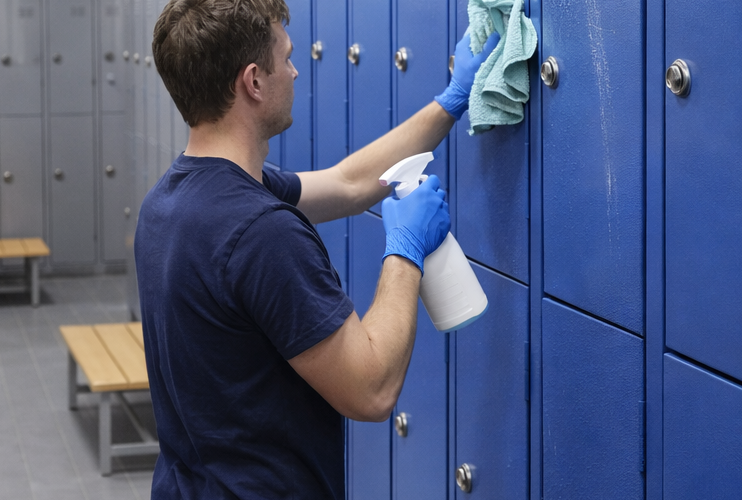
Office lockers are often chosen to improve organisation, reduce desk clutter and support a cleaner working environment. However, those benefits are easier to hold onto when the locker area itself is kept in good condition. If surfaces become marked, doors are left dirty or damaged fittings go unchecked, the storage zone can quickly start to undermine the tidy, professional look it was meant to support.
That is why locker maintenance and cleaning should be treated as part of workplace management rather than as an afterthought. In most offices, lockers are used constantly but only noticed when something starts to look worn, dirty or unreliable. A simple routine can prevent that and help the storage area stay practical, attractive and easy to use.
This guide explains how to manage locker maintenance and cleaning in offices, including daily upkeep, damage prevention and keeping shared storage looking professional over time. For the main workplace lockers guide, visit the hub page. For office-wide planning, see how to choose workplace lockers for a new office fit-out. If your office uses shared storage, visit day-use office lockers. When you are ready to compare products, see our workplace lockers page for staff lockers and commercial staff storage.
Why office locker maintenance matters
Office lockers are part of the visual and practical rhythm of the workplace. Staff use them every day for coats, bags, laptops, lunch items and personal belongings. Because of that, they see regular handling, repeated door opening, surface contact and occasional knocks from bags or equipment. Even a well-made locker bank will start to look tired if no one is clearly responsible for its upkeep.
Maintenance matters for appearance, but it also matters for usability. A locker with a sticking lock, loose handle or damaged hinge may still look acceptable from a distance, yet it creates immediate friction for the user. If several units fall into that condition, confidence in the whole storage system can start to drop.
A good maintenance routine protects both the office image and the day-to-day experience of using the lockers.
Cleaning supports the professional look of the office
Locker areas are often positioned where staff pass every day and where visitors may also see them, especially in reception-adjacent zones, edge-of-floor storage points or shared arrival routes. That means dirt, fingerprints, smudges and scuffs can affect how the whole office feels, not just the locker bank itself.
A clean locker area helps the office look cared for and organised. A neglected one can make the workplace feel more cluttered, even if the desks and meeting rooms are well maintained. This is especially important in hybrid offices, where lockers are often meant to support a cleaner, more controlled environment.
In simple terms, if lockers are part of the solution to office clutter, they should not become part of the problem instead.
What office lockers are exposed to every day
Understanding how lockers are used helps explain why upkeep matters. Typical office lockers are exposed to:
- frequent hand contact on doors and locks
- bags brushing or knocking against surfaces
- food containers and drink bottles being placed inside
- coats and damp outerwear in colder months
- dust and everyday office grime
- marks from shoes, umbrellas or commuting items
- wear around handles, hinges and locking points
None of these are unusual. They are simply signs of real use. The goal of maintenance is not to stop signs of use appearing altogether. It is to stop normal use turning into visible neglect or avoidable damage.
Daily cleaning does not need to be complicated
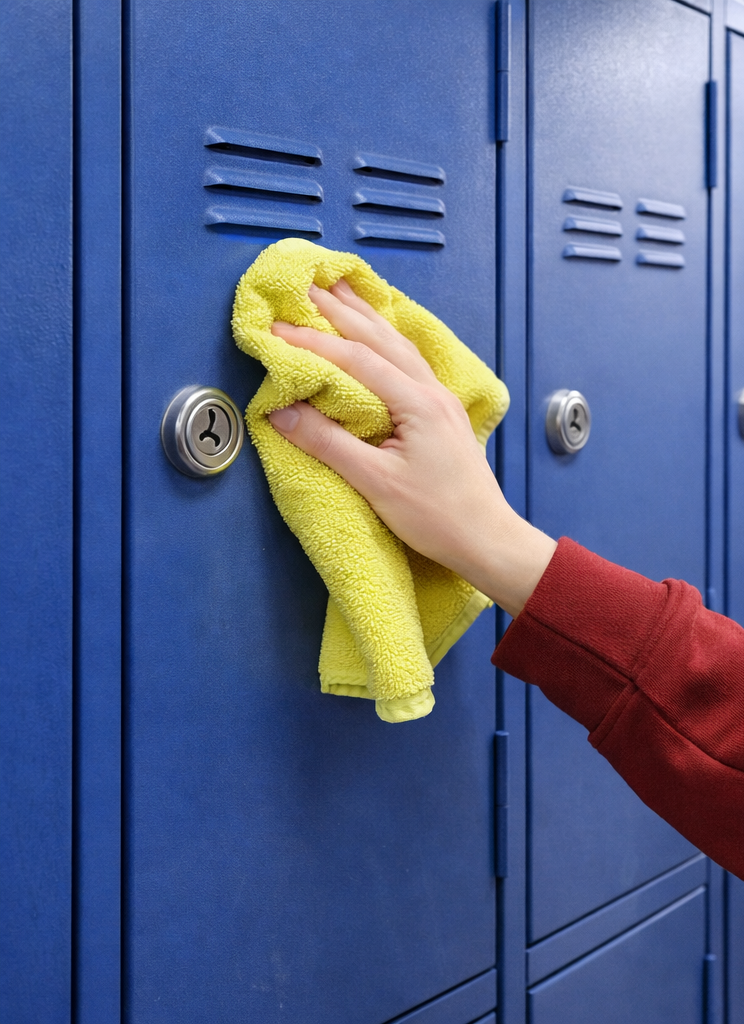
In most offices, daily locker cleaning can be quite simple. The main aim is to prevent visible dirt from building up and to keep high-contact points looking clean. External wiping of doors, handles, keypad surfaces or lock surrounds is often enough for the everyday routine, especially in shared or high-use locker areas.
The surrounding floor area also matters. Dust, loose items and debris around the base of the lockers can quickly make the storage zone feel untidy even if the lockers themselves are acceptable. That is why cleaning the locker bank and cleaning the area around it should be treated together.
A short, regular routine is usually far more effective than waiting for the area to look noticeably dirty and then trying to reset it all at once.
Shared lockers often need more frequent attention
Shared day-use lockers usually need more consistent upkeep than permanently assigned lockers. Different people use them, turnover is higher and the office often relies on them to feel clean and ready for the next person. If a shared locker opens with crumbs inside, dust in the corners or obvious smudges on the door, the whole system feels less dependable.
This is one reason why hybrid offices need to think about maintenance at the same time as shared storage policy. The storage is not only a set of compartments. It is part of the daily office experience, so it should feel reset and usable for the next staff member.
For that storage model, see day-use office lockers and how to stop office lockers becoming permanent dumping space.
Internal cleaning should follow a clear routine
Internal locker cleaning is often where offices become inconsistent. External surfaces are easy to notice, but the inside of the locker may be forgotten until a complaint appears or a staff member leaves belongings behind. A better approach is to decide when interiors are checked and cleaned, especially in shared-use systems.
For shared lockers, this may be tied to a day-use rule and a simple reset process. For assigned lockers, it may be handled less frequently or during agreed maintenance checks. The exact frequency depends on how the office uses the lockers, but the important thing is to avoid leaving the inside condition entirely to chance.
Once the internal cleaning routine is defined, the storage area usually feels more consistent and more professional.
Maintenance is more than cleaning
Cleaning keeps the lockers looking good. Maintenance keeps them working properly. A workplace locker bank should be checked periodically for loose fittings, damaged locks, sticking doors, misaligned hinges, worn numbering, scratched panels or any other small faults that can get worse if ignored.
These problems are often minor at first. A loose lock trim, a door that catches slightly or a handle that feels less firm may not stop the locker working straight away. However, if those issues continue without attention, they can lead to more visible damage or more disruptive repairs later.
Small checks carried out regularly are usually the easiest way to stop a whole locker bank ageing unevenly.
Locks and access points should be checked early
The lock is usually the first part of a locker that users lose patience with. If access is awkward, unreliable or visibly worn, staff notice quickly. That makes lock condition one of the most important parts of office locker maintenance.
Key locks, combination locks, digital access points and smart locking systems all need a practical check routine. The aim is not to wait for full failure. It is to identify early signs of wear, damage or inconsistency before users start seeing the storage as unreliable.
For the wider lock-choice angle, see best lock options for workplace lockers.
Office layout affects how easy lockers are to clean
Some locker areas are much easier to maintain than others. If the storage is crammed into a tight space, blocked by furniture or placed where bags and coats spill into the circulation area, cleaning becomes harder and the whole zone starts to age faster. A cleaner layout supports a cleaner storage area.
This is one reason why maintenance should be considered during planning, not only after installation. Lockers that are easy to reach, easy to wipe down and easy to clean around tend to stay in better condition for longer. By contrast, difficult access often leads to inconsistent upkeep.
For the layout side, see staff lockers in open plan areas or separate storage zones and where should office lockers go in a reception-to-desk journey.
Clear staff expectations help prevent damage
Some maintenance problems come from normal wear. Others come from unclear use. If staff do not know whether food should be left inside, whether lockers must be emptied daily or how faults should be reported, small issues can build up faster than they need to.
A simple locker-use routine helps protect the condition of the area. Staff should know how to report a damaged lock, what to do if a door sticks and whether shared lockers are expected to be left clear and empty at the end of the day. This is not about making storage feel over-controlled. It is about keeping the system usable for everyone.
For the policy angle, see staff locker policies for UK workplaces.
How to build a simple office locker upkeep routine
Most offices do not need a complicated maintenance programme. A practical routine is usually enough.
- Wipe external locker surfaces regularly.
- Clean handles, keypads and other high-touch points frequently.
- Keep the surrounding floor and bench areas clear.
- Check shared lockers internally on a simple reset cycle.
- Inspect locks, hinges and doors for early signs of wear.
- Record and repair minor faults before they become bigger issues.
- Use clear signage or policy reminders where shared storage rules apply.
That kind of structured but manageable routine is usually enough to protect the look and function of the storage area in a typical office environment.
Common mistakes in office locker upkeep
- waiting until the locker bank looks visibly worn before acting
- cleaning outer surfaces but ignoring locker interiors
- treating lock problems as minor until users start complaining
- placing lockers in areas that are hard to clean properly
- assuming shared lockers will stay tidy without a reset process
- having no clear route for reporting damage or faults
- letting small scuffs, loose fittings or sticking doors accumulate across the whole bank
Most of these problems come from treating lockers as passive furniture rather than as active workplace equipment.
How to keep office lockers looking professional long term
The best long-term approach is to combine light routine cleaning with regular practical checks. The aim is not perfection. It is consistency. A locker area that stays clean, works properly and avoids visible wear for longer will continue to support the office rather than gradually becoming an eyesore.
Good upkeep starts with visibility, responsibility and small actions taken early. Once the routine is in place, most offices find that storage maintenance becomes straightforward and much easier to stay on top of.
When the planning stage is complete and you are ready to review products, visit our workplace lockers page for office and staff storage options.
Conclusion
Locker maintenance and cleaning in offices help protect both the appearance and the performance of workplace storage. A clean, reliable locker bank supports the organised environment the office is trying to create. A neglected one does the opposite.
The strongest routine is usually simple: regular surface cleaning, periodic internal checks, early maintenance on locks and fittings, and clear expectations for shared use. For the wider cluster, return to the workplace lockers guide. Office planning is covered in how to choose workplace lockers for a new office fit-out. Product-led next steps can be found on our commercial staff storage page.
Frequently asked questions
Why do office lockers need regular cleaning?
They see frequent daily contact and can quickly show fingerprints, marks, dust and general wear if no routine is in place.
Do shared office lockers need more maintenance?
Often yes, because turnover is higher and the office relies on each compartment feeling clean and ready for the next user.
What should be checked during locker maintenance?
Locks, hinges, handles, door alignment, visible damage, numbering and the internal condition of lockers should all be checked regularly.
How do you stop office lockers looking worn?
Regular light cleaning, early repair of minor faults and clear rules for shared use usually do more than waiting for the area to deteriorate visibly.
What is the biggest mistake in office locker upkeep?
A common mistake is treating lockers as something to clean only when they look dirty instead of building a simple routine that keeps them presentable and reliable all the time.
Discover more from Blog Total Locker Service
Subscribe to get the latest posts sent to your email.