Medication Fridges in Care Homes: Safe Storage, Temperature Control and Access Management
March 26, 2026
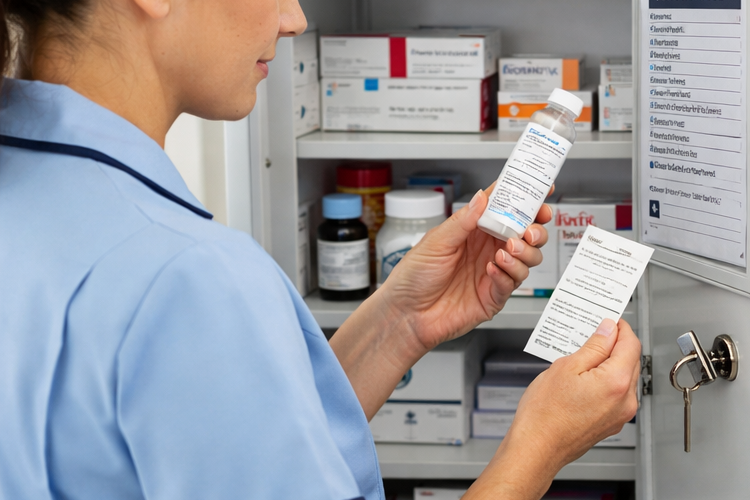
Medicines in care homes are not all stored in the same way. Some can be kept safely in locked cupboards or medicine trolleys, while others must be kept within a specific temperature range to remain suitable for use. That is where a medication fridge becomes important.
A medicine fridge is not just a standard refrigerator with a lock added later. It forms part of the wider medicines storage system and supports safe practice, audit readiness and stock protection. In a care home, it helps staff store temperature-sensitive medicines correctly, maintain product quality and reduce avoidable waste.
This guide explains how medication fridges should be used in care homes, what good temperature control looks like, how access should be managed and how the right storage equipment supports safer medicines handling.
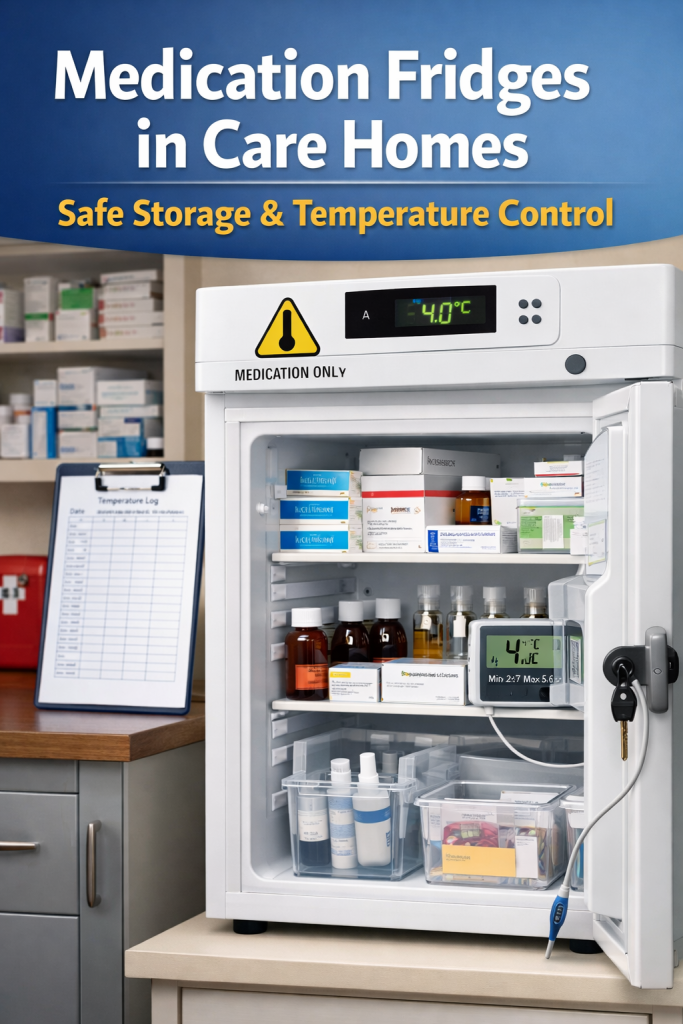
Why some medicines need refrigerated storage
Certain medicines must be stored within a defined temperature range, usually 2°C to 8°C, to maintain their stability and effectiveness. If they are stored too warm or too cold, they may no longer perform as intended. In some cases, they may need to be discarded.
Examples of medicines that may require refrigerated storage include:
- some insulin products
- certain liquid medicines
- some eye drops
- vaccines where applicable
- selected biological products
- other temperature-sensitive items supplied with cold-chain instructions
Staff should never assume that a product belongs in the fridge just because it sounds specialist, and they should never leave it out of the fridge unless the instructions allow that. Storage decisions should follow the product labelling, pharmacy instructions and the care home’s medicines procedures.
Why a domestic fridge is not usually enough
It may be tempting to use a standard kitchen-style fridge, especially in a smaller setting, but medicine storage requires tighter control than food storage. A medication fridge should support more consistent temperature monitoring and reduce the risk of accidental misuse.
Domestic fridges can create several problems:
- temperatures may fluctuate too widely
- shelves may not be arranged for medicine stock control
- the unit may be opened too often for unrelated use
- staff may store non-medicinal items inside by mistake
- the fridge may lack reliable monitoring features
- there may be weaker separation between stock and general supplies
A care home should avoid mixed use. A medicine fridge should be used only for medicines and related approved medicinal items. It should never be shared with food, drinks, specimens or personal items.
The role of a dedicated medication fridge
A dedicated medication fridge helps support safer storage by providing a controlled and clearly defined location for refrigerated medicines. It also helps reinforce good routine.
A well-managed medicine fridge should:
- hold only appropriate medicinal stock
- stay within the required temperature range
- remain locked or access-controlled
- be monitored consistently
- support clear arrangement of medicines
- make expiry checking easier
- help staff identify stock quickly
- reduce the risk of damage, contamination or confusion
Used properly, the fridge becomes part of the home’s wider medicines governance system rather than just a storage appliance.
Where the medication fridge should be located
The position of the fridge matters. It should be placed in a secure medicines room or a controlled clinical storage area where access can be limited to authorised staff.
The location should support:
- secure access
- stable room conditions
- safe ventilation around the unit
- easy daily monitoring
- practical workflow during medicines rounds
- reduced risk of tampering or accidental unplugging
A medicine fridge should not be placed in an area where visitors, residents without supervised access or non-authorised staff can interact with it freely. It should also not be placed where sockets are easily disturbed or where the unit may be switched off by mistake.
Temperature control is the core requirement
The main purpose of a medicine fridge is to maintain the correct storage temperature. In most cases, that means keeping medicines between 2°C and 8°C.
If the temperature rises above that range or drops too low, the integrity of the medicine may be affected. Repeated excursions can create uncertainty about whether stock is still suitable for use.
Good temperature control depends on more than simply glancing at a display now and then. A proper process should include:
- routine temperature checks
- clear recording
- escalation when readings fall outside range
- review of affected stock
- action to prevent recurrence
Temperature monitoring should be treated as an active safety process, not just a box-ticking exercise.
How often temperatures should be checked
Care homes should follow their medicines policy and any local pharmacy or commissioning requirements, but the general principle is that temperature checks should be frequent enough to identify issues promptly and protect stock.
In many settings this means:
- checking and recording minimum and maximum temperatures daily
- confirming the fridge is currently within range
- resetting min/max readings after recording where the system requires it
- responding immediately if the reading is outside the acceptable range
Homes should also have a clear plan for weekends, bank holidays and handovers so that monitoring remains consistent.
What to do if the temperature goes out of range
A temperature excursion should never be ignored. Even if the medicines look unchanged, appearance alone does not confirm that they remain fit for use.
If the fridge goes outside its permitted range, staff should follow the home’s escalation process. This commonly includes:
- recording the temperature and time
- checking whether the reading is current, historic or ongoing
- securing the stock and avoiding use where necessary
- informing the appropriate senior person
- contacting the supplying pharmacy or relevant professional for advice
- documenting what stock may have been affected
- recording the outcome and any disposal or replacement required
The response should be documented clearly. Homes should also review whether the problem was caused by door opening, overfilling, poor airflow, equipment failure, power loss or staff error.
Why stock arrangement inside the fridge matters
The internal arrangement of a medicine fridge has a direct effect on safety and efficiency. If medicines are crowded together or placed randomly, staff may struggle to rotate stock, read labels or locate the correct item quickly.
Good internal organisation helps with:
- accurate selection
- expiry date checks
- stock rotation
- separation of residents’ medicines where required
- prevention of damaged packaging
- clearer audit trails
Medicines should not be packed so tightly that airflow is restricted. Overfilled fridges are harder to monitor, harder to clean and more likely to develop storage errors.
Avoiding common medication fridge mistakes
Several problems appear repeatedly in care settings. Most are avoidable with better equipment, clearer systems and regular checking.
Common issues include:
- storing medicines in a fridge that is too warm or too cold
- keeping food or drinks in the same fridge
- using the door shelves for sensitive stock where temperatures may fluctuate
- overfilling the unit
- keeping loose or unlabelled items inside
- poor stock rotation
- no clear response plan for excursions
- leaving obsolete or expired medicines in active refrigerated storage
- weak control of keys or access
- not knowing which products were affected after a fridge failure
Each of these issues increases risk. Together, they can undermine the reliability of the whole medicines storage system.
Access control for medication fridges
A medicine fridge should be treated with the same seriousness as the medicine cupboard. Refrigerated medicines may include high-risk or high-value stock, and access should be limited to authorised staff.
Good access management usually includes:
- locking the fridge where appropriate
- restricting key or code access
- including the fridge in medicines room security procedures
- controlling spare keys
- handing over access responsibly between shifts
- making sure staff know who is accountable for the medicines area
Access control is not just about preventing theft. It also reduces accidental interference, supports accountability and helps maintain clear lines of responsibility.
How key control supports medicine security
Where a medication fridge uses a keyed lock, key management becomes part of the medicines policy. The same principles that apply to medicine cupboards and trolleys should apply here as well.
This means:
- keys should not be left unattended
- access should not be casual or informal
- staff should know who currently holds the key
- spare keys should be secured separately
- lost keys should trigger a clear security response
If a care home uses a medicines room with wider controlled access rather than a separate fridge key, the same principle still applies. Entry to the fridge must be restricted to those who genuinely need it.
Cleaning and maintenance
A medication fridge should be kept clean, well maintained and in good working order. Dirt, spills and clutter can affect hygiene and make stock checks harder.
A routine maintenance plan should include:
- cleaning to schedule
- checking door seals
- checking that the display or monitoring system is functioning
- making sure airflow is not blocked
- inspecting plug security and power supply
- servicing or replacement when reliability drops
Maintenance records can be useful during audits and inspections because they show that the home is treating equipment as part of its medicines safety system rather than as background furniture.
Power failure planning
A care home should have a plan for what happens if the power fails or the fridge stops working. This is especially important for larger homes or any service holding regular refrigerated stock.
The plan should cover:
- who must be informed
- how temperatures will be checked
- how affected stock will be isolated
- whether alternative cold storage is available
- how pharmacy advice will be obtained
- how the event will be recorded
Without a plan, staff may act inconsistently under pressure. A written response procedure improves confidence and reduces unnecessary stock loss.
Record keeping for refrigerated medicines
Medicine fridge management should be documented properly. Clear records help the home show that storage conditions are being controlled and that any problems are handled appropriately.
Useful records may include:
- daily temperature logs
- min/max checks
- maintenance records
- cleaning records
- excursion reports
- stock disposal records where products were affected
- incident reports for equipment failure or access breaches
These records do not just support compliance. They also help managers identify patterns, such as repeated temperature problems or recurring faults with a particular unit.
Auditing medication fridge practice
Regular audit helps confirm that the fridge is supporting safe medicines storage rather than becoming an overlooked risk point.
A simple audit might ask:
- Is the fridge dedicated to medicines only?
- Is it secure?
- Are temperatures being checked and recorded properly?
- Are readings consistently within range?
- Is there a documented response to excursions?
- Is stock arranged clearly?
- Are expired items removed promptly?
- Is the unit clean and in good condition?
- Are keys or access controls managed properly?
- Do staff understand the procedure if the fridge fails?
Choosing the right fridge for a care home setting
When selecting a medication fridge, care homes should think beyond basic capacity. The right unit should support the way staff work and the risks they need to manage.
Important considerations include:
- appropriate size for the stock held
- clear internal layout
- reliable temperature performance
- visible monitoring
- secure locking
- robust construction
- suitability for the room and workflow
- ease of cleaning and maintenance
A fridge that is too small encourages crowding. A fridge that is poorly positioned or awkward to monitor can undermine compliance even if the unit itself is technically sound.
How the wider storage environment matters
Even the best medication fridge works as part of a bigger system. It should sit within a properly organised medicines area with clear processes for:
- deliveries and stock receipt
- recording
- segregation of discontinued or returned items
- disposal of unusable medicines
- handover between staff
- policy review and training
The fridge is one part of safe medicines storage, but it is an important one. If that one part fails, the home may lose stock, delay treatment or create uncertainty about product suitability.
Staff training and confidence
Staff who handle refrigerated medicines should understand:
- why some products need cold storage
- the accepted temperature range
- how to record readings
- what to do if the temperature is out of range
- who to contact for advice
- how access should be controlled
- how to arrange stock safely inside the unit
Training should not be overly theoretical. Staff need a practical working process that makes sense during busy shifts. A clear fridge procedure supports that.
Why medication fridges matter for inspection readiness
Inspectors and auditors often look beyond whether medicines simply appear to be locked away. They want to see whether systems are safe, organised and followed consistently.
A poorly managed medicine fridge can raise several questions at once:
- Are temperature-sensitive medicines being stored correctly?
- Are records accurate?
- Are staff following policy?
- Is equipment suitable?
- Is access controlled?
- Are risks escalated when problems occur?
A well-managed fridge, on the other hand, supports confidence across several areas of medicines management.
Final thoughts
Medication fridges play a vital role in safe medicines storage in care homes. They protect temperature-sensitive medicines, support better organisation and help staff maintain control over one of the more fragile parts of the medicines system.
The essentials are straightforward:
- use a dedicated medicine fridge
- keep it within the correct temperature range
- record and review temperatures consistently
- control access properly
- organise stock clearly
- respond quickly when problems occur
When those elements are in place, care homes are in a stronger position to protect stock, support residents and demonstrate good medicines governance.
A medication fridge should never be treated as a minor detail. It is a core part of safe storage, and the right equipment and process can make daily medicines handling far more reliable.
“`
Discover more from Blog Total Locker Service
Subscribe to get the latest posts sent to your email.